
Basic Information
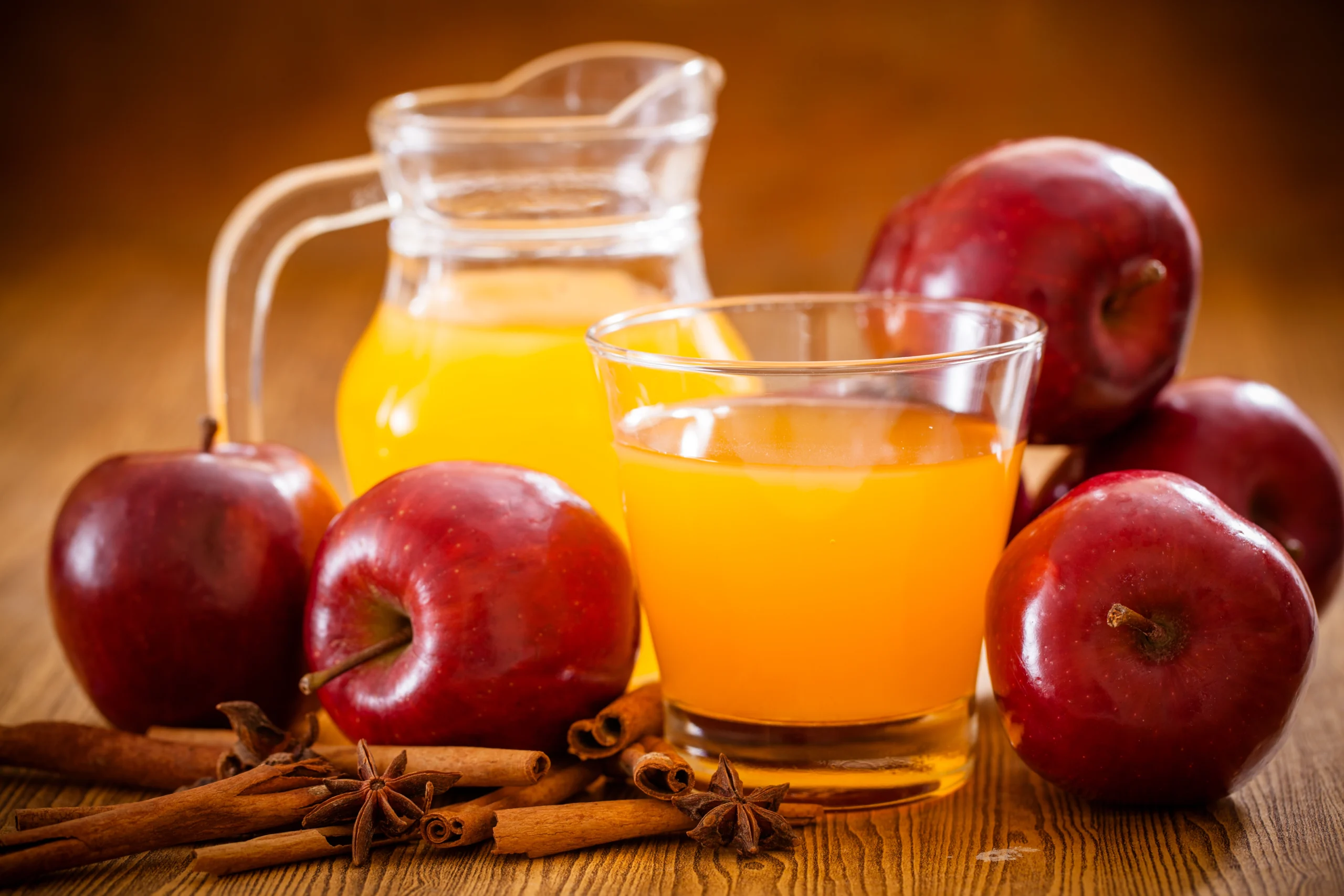
- Name: Apple Juice (with added Vitamin C, from concentrate, shelf stable)
- Scientific Name: Derived from Malus domestica
- Category: Beverage
- Varieties: While apple juice itself is not categorized into varieties, it can be made from various types of apples, such as Fuji, Gala, or Granny Smith, affecting its flavor profile.
Nutritional Information
- Macronutrients:
- Carbohydrates: Approximately 11.4g per 100ml, primarily from sugars.
- Proteins: Negligible; generally, less than 0.09g per 100ml.
- Fats: Negligible; generally, 0.29g per 100ml.
- Micronutrients:
- Vitamin C: Enhanced with added Vitamin C; amounts can vary but typically around 51mg per 100ml or higher, depending on fortification.
- Minerals: Contains trace amounts of minerals such as potassium.
Phytonutrients:
Apple juice, especially when fortified with added Vitamin C and derived from concentrate, contains a variety of phytonutrients that contribute to its health benefits. While the specific content can vary based on the type of apples used and the processing methods, here’s an overview of the common phytonutrients found in apple juice:
Phytonutrients in Apple Juice
- Polyphenols:
- Flavonoids such as quercetin, epicatechin, and procyanidin B2. These compounds are known for their antioxidant properties, which can help protect the body against oxidative stress and inflammation.
- Chlorogenic Acid: This phenolic compound contributes to the antioxidant activity in apple juice. It’s been studied for its potential in managing blood sugar levels and offering anti-inflammatory benefits.
- Vitamin C (Ascorbic Acid):
- While naturally present in small amounts, apple juice is often fortified with added Vitamin C, significantly increasing its antioxidant content. Vitamin C is crucial for immune function, skin health, and collagen synthesis.
- Carotenoids:
- Beta-Carotene: Though in smaller amounts compared to other fruits and vegetables, beta-carotene is a precursor to vitamin A and contributes to the antioxidant capacity of apple juice.
Health Implications of Phytonutrients in Apple Juice
- Antioxidant Activity: The polyphenols and Vitamin C in apple juice work together to neutralize free radicals, reducing oxidative stress and potentially lowering the risk of chronic diseases.
- Heart Health: Flavonoids like quercetin have been linked to improved heart health through their effects on blood pressure and arterial health.
- Anti-inflammatory Effects: Many of the phytonutrients in apple juice, including chlorogenic acid and quercetin, exhibit anti-inflammatory properties, which can contribute to overall wellness and disease prevention.
Considerations
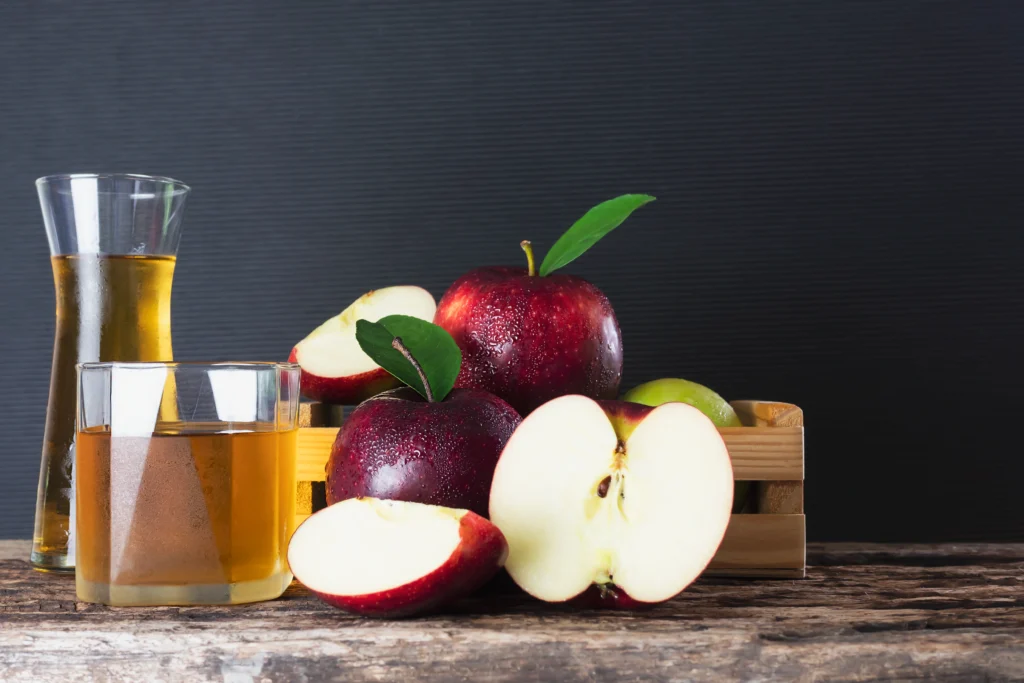
While apple juice contains beneficial phytonutrients, it’s also high in naturally occurring sugars. Consuming it in moderation is key to balancing the intake of nutrients without overconsuming calories or sugars. Additionally, whole apples provide dietary fiber and a broader range of phytonutrients compared to juice, making them a healthier choice for daily consumption. Nonetheless, fortified apple juice can be a valuable source of Vitamin C and polyphenols when consumed as part of a balanced diet.
It’s important to note that processing and pasteurization can affect the phytonutrient content of apple juice. While shelf-stable, concentrated apple juice with added Vitamin C can offer health benefits, fresh or minimally processed juices might retain a higher level of natural phytonutrients.
- Calorie Count: Approximately 47 calories per 100ml.
- Glycemic Index: Generally high, ranging from 40 to 60, but can vary based on processing and apple varieties used.
Physical Characteristics
- Color: Ranges from pale to golden yellow, depending on the apple variety and processing.
- Shape: Liquid form.
- Size: Available in various packaging sizes, from small single-serving bottles to large multi-serve containers.
- Texture: Smooth, without pulp (unless specified).
Culinary Uses
- Common Dishes: Consumed as a beverage on its own, used in smoothies, cocktails, or as a base for sauces and marinades.
- Preparation Methods: Typically pasteurized and homogenized for shelf stability.
- Suitable Pairings: Complements breakfast foods like pancakes or oatmeal, pairs well with pork dishes, and can be used in baking for apple-flavored desserts.
Geographical Information
- Origin: Apple cultivation originates from Central Asia, with apple juice production and consumption spreading globally.
- Primary Growing Regions: Major apple-producing regions include China, the United States (particularly Washington, New York, Michigan), Poland, and parts of Europe.
- Seasonal Availability: Apple juice, especially when from concentrate and shelf-stable, is available year-round due to processing and preservation techniques.
| Proximates | |
| Water | 88.1g |
| Energy (Atwater General Factors) | 48kcal |
| Energy (Atwater Specific Factors) | 47kcal |
| Nitrogen | 0.01g |
| Protein | 0.09g |
| Total lipid (fat) | 0.29g |
| Ash | 0.12g |
| Carbohydrates: | |
| Carbohydrate, by difference | 11.4g |
| Sugars, Total | 10.3g |
| Sucrose | 1.39g |
| Glucose | 3.21g |
| Fructose | 5.27g |
| Lactose | <0.25g |
| Maltose | <0.25g |
| Galactose | <0.1g |
| Organic acids: | |
| Citric acid | <40mg |
| Malic acid | 360mg |
| Oxalic acid | <40mg |
| Quinic acid | <40mg |
| Minerals: | |
| Calcium, Ca | 7mg |
| Iron, Fe | 0.04mg |
| Magnesium, Mg | 4.9mg |
| Phosphorus, P | 6mg |
| Potassium, K | 96mg |
| Sodium, Na | 5mg |
| Zinc, Zn | 0mg |
| Copper, Cu | 0.003mg |
| Manganese, Mn | 0.027mg |
| Vitamins and Other Components: | |
| Vitamin C, total ascorbic acid | 51.2mg |
| Thiamin | <0.011mg |
| Niacin | 0.01mg |
| Vitamin B-6 | 0.014mg |
| Folate, total | 3µg |