


Basic Information
- Common Name: Light Red Kidney Beans
- Scientific Name: Phaseolus vulgaris
- Category: Legume
Varieties
Light Red Kidney Beans are a variety of common bean, characterized by their light red color. They are similar to dark red kidney beans but slightly lighter in color and often used interchangeably in recipes. No specific sub-varieties are distinguished once canned with sodium and sugar added.
Nutritional Information
- Macronutrients: Light red kidney beans are a good source of carbohydrates, including dietary fiber, and provide a decent amount of protein with very low fat. The addition of sodium and sugar affects their nutritional profile. A typical serving (1 cup, approximately 165 grams, canned, drained, and rinsed) contains:
- Carbohydrates: About 21.4 grams, considering the added sugars.
- Proteins: Roughly 7.31 grams.
- Fats: Less than 1.3 gram.
- Micronutrients: They are rich in iron, potassium, and magnesium, and contain significant amounts of folate and other B vitamins.
Phytonutrients
Light Red Kidney Beans, similar to their dark red counterparts and other legumes, are packed with beneficial phytonutrients. These compounds play a significant role in promoting health and preventing diseases. Although the canning process and the addition of sodium and sugar might slightly modify their phytonutrient profile, draining and rinsing the beans can help mitigate these effects. Here’s an overview of the key phytonutrients found in light red kidney beans:
1. Anthocyanins
- Type: These are flavonoid pigments that give the beans their light red color.
- Benefits: Anthocyanins have antioxidant properties that can protect cells from oxidative stress and may reduce the risk of chronic diseases.
2. Fiber
- Type: Light red kidney beans contain both soluble and insoluble fiber.
- Benefits: Fiber aids in digestive health, helps regulate blood sugar levels, and can contribute to lowering cholesterol.
3. Saponins
- Type: These are plant compounds with a distinctive foamy characteristic when mixed with water.
- Benefits: Saponins have been shown to possess cholesterol-lowering properties, improve immune function, and may have anti-cancer effects.
4. Phytic Acid (Phytates)
- Type: This is a natural compound found in beans that serves as a storage form of phosphorus.
- Benefits: Phytic acid has antioxidant effects and can reduce the risk of kidney stones. However, it may also bind to minerals, affecting their absorption, although this is less of a concern when consumed as part of a varied diet.
5. Lectins
- Type: Proteins that can bind to cell membranes.
- Benefits: While high levels of lectins in raw beans can be harmful, the canning process deactivates most lectins, making canned beans safe to eat. Lectins may have health benefits, including potential anti-cancer properties, when consumed in safe, cooked forms.
6. Resistant Starch
- Type: A type of carbohydrate that resists digestion in the small intestine, acting more like fiber.
- Benefits: Feeds beneficial gut bacteria, promoting gut health, and helps in managing blood sugar levels.
7. Polyphenols
- Type: This broad category includes several types of antioxidants beyond anthocyanins, such as flavonoids and tannins.
- Benefits: Polyphenols offer anti-inflammatory and antioxidant benefits, which can help protect against various chronic diseases.
Despite the additional steps of canning, as well as adding sodium and sugar, light red kidney beans remain a nutritious food when properly prepared (drained and rinsed). These phytonutrients contribute to the beans’ health-promoting properties, supporting heart health, digestive wellness, and potentially reducing the risk of certain diseases. Including light red kidney beans in a balanced and varied diet can thus offer numerous health benefits.
- Calorie Count: Around 200-220 calories per cup, influenced by added sugars.
- Glycemic Index: Medium, typically between 40 to 52, though added sugars may modify this slightly.
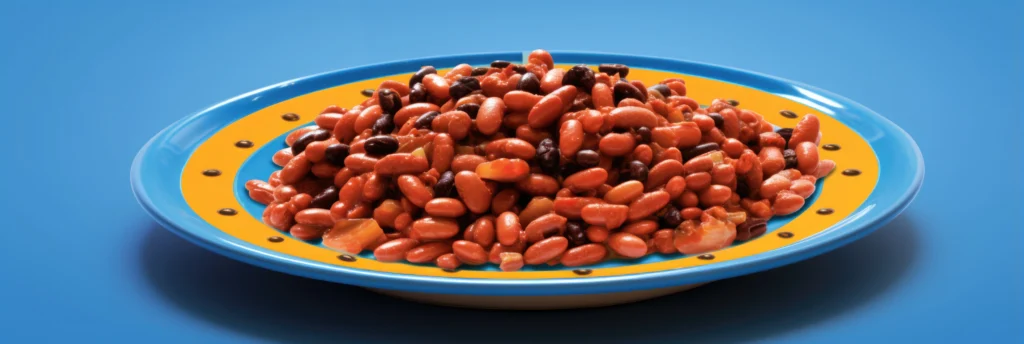
Physical Characteristics
- Color: Light red
- Shape: Kidney-shaped, with a curved surface
- Size: Generally about 1/2 to 3/4 inch long
- Texture: Firm but tender after cooking, maintaining a creamy interior despite the canning process.
Culinary Uses
Light Red Kidney Beans are versatile in the kitchen, suitable for:
- Common Dishes: Often used in chili, soups, stews, salads, and alongside rice.
- Preparation Methods: Ready to use from the can once drained and rinsed, ideal for quick meal preparations.
- Suitable Pairings: Complements robust flavors such as garlic, onions, tomatoes, and herbs like cilantro and parsley. Also pairs well with meats and other beans.
Geographical Information
- Origin: Native to Central and South America, with a history of cultivation dating back thousands of years.
- Primary Growing Regions: Today, they are cultivated in many parts of the world, including the United States, India, and China.
- Seasonal Availability: Canned beans are available year-round, offering a convenient alternative to fresh or dried beans, which are typically harvested in late summer to early fall.
Light Red Kidney Beans, especially when canned with added sodium and sugar, provide a nutritious and convenient option for various dishes. Their rich nutrient profile, combined with their culinary versatility, makes them a popular choice worldwide. While the added sodium and sugar necessitate mindful consumption, draining and rinsing the beans can help mitigate these additions, making them a healthier choice for inclusion in a balanced diet.
| Proximates: | |
| Water | 68.9 g |
| Energy (Atwater General Factors) | 127 kcal |
| Energy (Atwater Specific Factors) | 124 kcal |
| Nitrogen | 1.17 g |
| Protein | 7.31 g |
| Total lipid (fat) | 1.3 g |
| Ash | 1.02 g |
| Carbohydrates: | |
| Carbohydrate, by difference | 21.4 g |
| Total dietary fiber (AOAC 2011.25) | 7.4 g |
| Starch | 13.1 g |
| Minerals: | |
| Calcium, Ca | 60 mg |
| Iron, Fe | 1.3 mg |
| Magnesium, Mg | 25.5 mg |
| Phosphorus, P | 94 mg |
| Potassium, K | 209 mg |
| Sodium, Na | 158 mg |
| Zinc, Zn | 0.53mg |
| Copper, Cu | 0.271 mg |
| Manganese, Mn | 0.345 mg |