
Basic Information
- Common Name: Low Fat Buttermilk
- Scientific Name: N/A (Buttermilk is a dairy product, not classified under botanical nomenclature)
- Category: Dairy Product
- Varieties: Buttermilk can be categorized based on its fat content, with “low fat” typically containing about 1% to 2% fat. Traditional buttermilk is the liquid left after churning butter, while most commercially available buttermilk is cultured, made by fermenting low-fat milk with specific lactic acid bacteria.
Nutritional Information
- Macronutrients (per 1 cup, approximately 245 grams of low fat buttermilk):
- Carbohydrates: About 4.81 grams
- Proteins: Approximately 3.46 grams
- Fats: 1.09 grams or less, depending on the specific product
- Micronutrients: Low fat buttermilk is a good source of calcium, phosphorus, vitamin B12, and riboflavin (B2). It also contains potassium and small amounts of vitamin A and vitamin D (if fortified).
- Calorie Count: Roughly 98 calories per cup.
- Glycemic Index: Low, dairy products like buttermilk have a minimal impact on blood glucose levels due to their low carbohydrate content.
Phytonutrients
Low-fat buttermilk, like other dairy products, does not contain phytonutrients in the way plant-based foods do. Phytonutrients are bioactive compounds found in vegetables, fruits, grains, and other plant sources, known for their health-promoting properties, including antioxidant, anti-inflammatory, and anti-carcinogenic effects. However, low-fat buttermilk offers a range of nutrients and bioactive compounds beneficial to health, mainly derived from its dairy content. Here’s an overview of the beneficial components found in low-fat buttermilk:
Probiotics
- Type: Beneficial bacteria, depending on the fermentation process.
- Benefits: Probiotics can enhance gut health, support the immune system, and improve digestion. The specific strains and their benefits can vary based on the fermentation process and the cultures used to produce the buttermilk.
Vitamins and Minerals
Low-fat buttermilk is a good source of several essential vitamins and minerals, particularly those found in dairy products:
- Vitamin B12 and Riboflavin (B2): Important for energy production and maintaining proper nerve function.
- Calcium: Essential for bone health and muscle function.
- Phosphorus: Works with calcium to build bones and teeth and is important for energy metabolism.
- Potassium: Helps regulate blood pressure and is important for proper heart and muscle function.
Bioactive Peptides
- Type: Specific protein fragments that can have health-promoting effects.
- Benefits: Emerging research suggests bioactive peptides in dairy products, including buttermilk, may have antihypertensive (blood pressure-lowering) effects, antimicrobial properties, and the potential to support heart health.
Conjugated Linoleic Acid (CLA)
- Type: A type of fatty acid found in dairy and beef products.
- Benefits: CLA has been researched for its potential role in weight management and reducing fat mass. Its effectiveness and benefits can vary, and buttermilk may contain small amounts of CLA, especially if made from the milk of grass-fed cows.
While low-fat buttermilk does not contain “phytonutrients” in the traditional sense associated with plant-based foods, it does offer a range of nutrients and bioactive compounds that contribute to a healthy diet. Incorporating fermented dairy products like buttermilk can provide probiotics and essential nutrients, supporting overall health and well-being.
Physical Characteristics
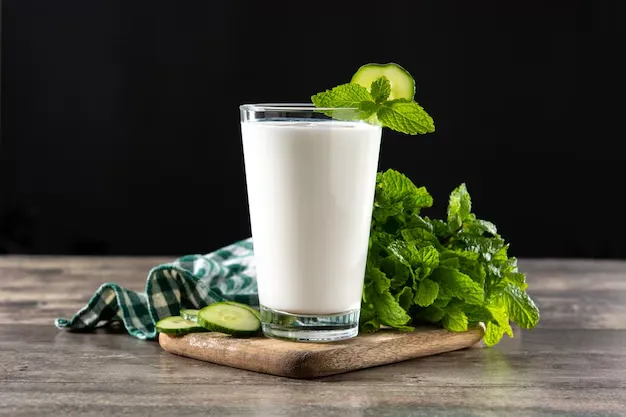
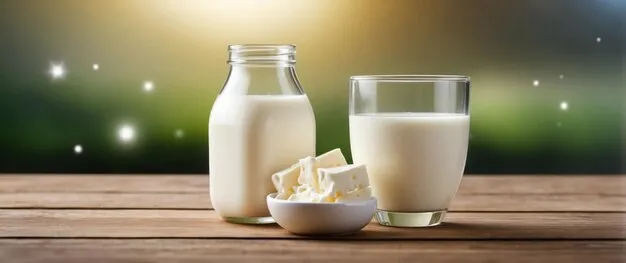
- Color: White to slightly yellowish, depending on the fat content and any added fortifications.
- Shape: Liquid form.
- Size: Sold in various container sizes, commonly in quarts or liters.
- Texture: Thicker than milk but thinner than cream, with a smooth consistency. Cultured buttermilk may have a slightly viscous texture due to the presence of active cultures.
Culinary Uses
Low fat buttermilk is versatile in the kitchen, known for its tangy flavor and tenderizing properties:
- Common Dishes: Used in baking (biscuits, pancakes, cakes), dressings, marinades, and soups. It’s also consumed as a beverage or used in smoothies.
- Preparation Methods: Can be used directly from the container in recipes or as a base for sauces and dressings. It’s often used as a marinade for poultry and meat to enhance tenderness.
- Suitable Pairings: Complements herbs and spices in savory dishes, adds moisture and tenderness to baked goods, and pairs well with fruits in smoothies or desserts.
Geographical Information
- Origin: Buttermilk has been a traditional dairy product in many cultures, historically made from the liquid left after churning butter from cultured or fermented cream.
- Primary Growing Regions: Produced worldwide, wherever dairy farming and milk processing are established. Its production and consumption are significant in regions with strong dairy traditions, including Europe, North America, and parts of Asia.
- Seasonal Availability: Available year-round due to the controlled production of dairy products.
Low fat buttermilk offers nutritional benefits, including being a good source of protein and calcium while lower in fat compared to whole buttermilk or cream. Its unique flavor and culinary properties make it a staple in various recipes, contributing to both the taste and texture of dishes.
| Proximates: | |
| Water | 89.8 g |
| Energy (Atwater General Factors) | 43 kcal |
| Energy (Atwater Specific Factors) | 43 kcal |
| Nitrogen | 0.54 g |
| Protein | 3.46 g |
| Total lipid (fat) | 1.08 g |
| Ash | 0.85 g |
| Carbohydrates: | |
| Carbohydrate, by difference | 4.81 g |
| Sucrose | <0.25 g |
| Glucose | <0.25 g |
| Fructose | <0.25 g |
| Lactose | 3.66 g |
| Maltose | <0.25 g |
| Galactose | <0.1 g |
| Minerals: | |
| Calcium, Ca | 120 mg |
| Iron, Fe | 0.01 mg |
| Magnesium, Mg | 11 mg |
| Phosphorus, P | 92 mg |
| Potassium, K | 158 mg |
| Sodium, Na | 92 mg |
| Zinc, Zn | 0.43 mg |
| Copper, Cu | 0.001 mg |
| Manganese, Mn | <0.005 mg |
| Iodine, I | 34.2 μg |
| Vitamins and Other Components: | |
| Thiamin | 0.048 mg |
| Riboflavin | 0.196 mg |
| Niacin | 0.128 mg |
| Vitamin B-6 | 0.039 mg |
| Biotin | <3.7 μg |
| Retinol | 36 μg |
| Vitamin D (D2 + D3), International Units | 21.7 IU |
| Vitamin D (D2 + D3) | 0.54 μg |
| Vitamin D2 (ergocalciferol) | <0.1 μg |
| Vitamin D3 (cholecalciferol) | 0.54 μg |
| Lipids: | |
| Fatty acids, total saturated | 0.552 g |
| SFA 12:0 | 0.028 g |
| SFA 14:0 | 0.089 g |
| SFA 16:0 | 0.258 g |
| SFA 18:0 | 0.08 g |