

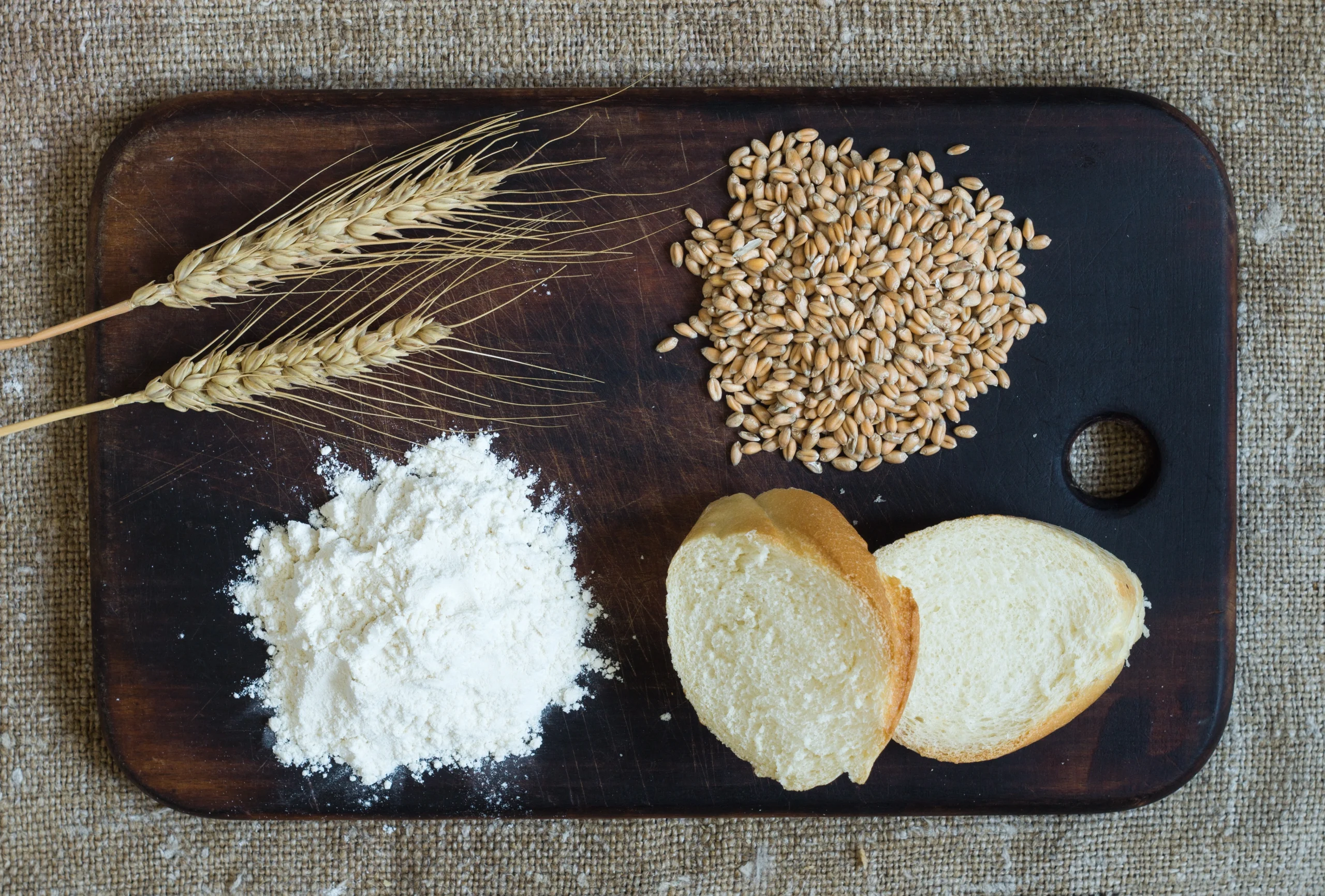
All-purpose, enriched, unbleached wheat flour is a fundamental ingredient in many culinary traditions, offering versatility for a wide range of baking and cooking applications. Derived from the wheat plant (Triticum aestivum), this type of flour is made by milling wheat grains and removing the bran and germ, focusing on the endosperm. Unlike its bleached counterpart, it retains its natural color and has a slightly denser texture. Here’s an in-depth look at enriched, unbleached all-purpose wheat flour.
Basic Information
- Common Name: All-Purpose Enriched Unbleached Wheat Flour
- Scientific Name: Triticum aestivum
- Category: Grain (Cereal)
- Varieties: While the main distinction here is between bleached and unbleached, all-purpose flour can also vary based on the wheat variety used and the specific blend of hard and soft wheats.
Nutritional Information
- Macronutrients: This flour is primarily composed of carbohydrates, offering a moderate amount of protein and very little fat. The enrichment process adds back certain B vitamins (folic acid, niacin, thiamine, and riboflavin) and iron that are lost during the refining process.
- Micronutrients: Enriched with vitamins and minerals such as iron and B vitamins. Some brands may also fortify their flour with additional nutrients like calcium.
Phytonutrients
All-purpose, enriched, unbleached wheat flour, made primarily from the endosperm of the Triticum aestivum grain, retains more of its natural components compared to its bleached counterpart. However, similar to other refined wheat flours, the phytonutrient content in all-purpose, enriched, unbleached flour is significantly reduced due to the removal of the bran and germ during the milling process. These components of the grain house most of wheat’s phytonutrients. Here’s an overview of the limited phytonutrients that might still be present in small amounts:
Reduced Phytonutrient Content
- Phenolic Acids: While whole wheat is a good source of phenolic acids such as ferulic acid, the concentration in all-purpose flour is much lower due to the removal of the bran.
- Alkylresorcinols: Found in the outer layers of wheat grains, these compounds have potential health benefits, including antioxidant properties. Their levels are significantly reduced in refined flours.
- Lignans: These phytoestrogens are mostly located in the bran and germ, so their presence in all-purpose, enriched, unbleached flour is minimal.
- Phytosterols: Although whole grains contain phytosterols that contribute to cholesterol reduction, the refining process diminishes their concentration in the flour.
Enrichment Does Not Replace Phytonutrients
The enrichment process for all-purpose, enriched, unbleached wheat flour involves adding back certain vitamins and minerals (such as B vitamins and iron) that are lost during milling. However, this does not include the restoration of phytonutrients, which have different health-promoting properties, including antioxidant and anti-inflammatory effects.
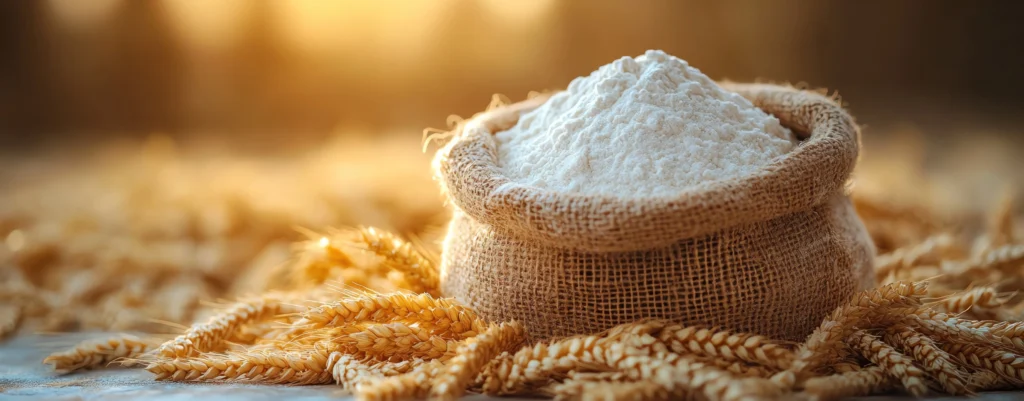
Considerations
- Dietary Fiber: While not a phytonutrient, the fiber content in all-purpose flour is also reduced due to the removal of the bran. Dietary fiber is important for digestive health and can help prevent chronic diseases.
- Whole Grains: For those looking to increase their intake of phytonutrients, incorporating whole grain flours or products into the diet is more beneficial. Whole grains retain the bran and germ, ensuring a higher content of phytonutrients, fiber, and other nutrients.
In summary, all-purpose, enriched, unbleached wheat flour is not a significant source of phytonutrients due to the refining process it undergoes. While it remains a versatile and widely used ingredient in cooking and baking, incorporating whole grain products into one’s diet can provide a broader range of nutritional benefits, including a higher intake of phytonutrients.
Calorie Count and Glycemic Index
- Calorie Count: Approximately 367 calories per 100 grams.
- Glycemic Index: High, as it is a refined grain product, which can lead to quicker spikes in blood sugar levels compared to whole grains.
Physical Characteristics
- Color: Light cream, retaining more of its natural wheat color compared to the bleached version.
- Shape and Size: It is a fine, powdery substance.
- Texture: Slightly denser and coarser than bleached flour, with a natural wheat aroma and flavor.
Culinary Uses
- Common Dishes: Enriched unbleached flour is used in a variety of baked goods, including bread, pastries, cakes, and cookies. It’s also employed as a thickening agent for sauces and gravies.
- Preparation Methods: It can be mixed with water, fats, and leavening agents to create doughs and batters. The lack of bleaching means it may absorb water slightly differently, which can affect the texture of baked goods.
- Suitable Pairings: Its neutral flavor makes it versatile for both sweet and savory dishes, blending well with a wide array of ingredients.
Geographical Information
- Origin: Wheat has been a staple food for thousands of years, with Triticum aestivum being widely cultivated around the world.
- Primary Growing Regions: Major wheat-producing countries include China, India, Russia, the United States, and parts of Europe.
- Seasonal Availability: All-purpose flour is available year-round due to efficient global production and distribution networks.
All-purpose, enriched, unbleached wheat flour is a popular choice for those seeking a less processed alternative to bleached flour without sacrificing the versatility and performance in baking and cooking. It provides a good balance of nutrition and functionality, making it a staple in kitchens worldwide.
| proximates: | |
| Water | 11.7 g |
| Energy (Atwater General Factors) | 359 kcal |
| Energy (Atwater Specific Factors) | 367 kcal |
| Nitrogen | 2.1 g |
| Protein | 13.1 g |
| Total lipid (fat) | 1.48 g |
| Ash | 0.53 g |
| Carbohydrates: | |
| Carbohydrate, by difference | 73.2 g |
| Minerals: | |
| Calcium, Ca | 21 mg |
| Iron, Fe | 5.41 mg |
| Magnesium, Mg | 33.3 mg |
| Phosphorus, P | 115 mg |
| Potassium, K | 135 mg |
| Sodium, Na | 4 mg |
| Zinc, Zn | 0.9 mg |
| Copper, Cu | 0.172 mg |
| Manganese, Mn | 0.875 mg |
| Selenium, Se | 14.2 µg |
| Molybdenum, Mo | 27.7 µg |
| Vitamins and Other Components: | |
| Thiamin | 1.05 mg |
| Riboflavin | 0.467 mg |
| Niacin | 7.07 mg |
| Vitamin B-6 | 0.079 mg |
| Folate, total | 159 µg |