
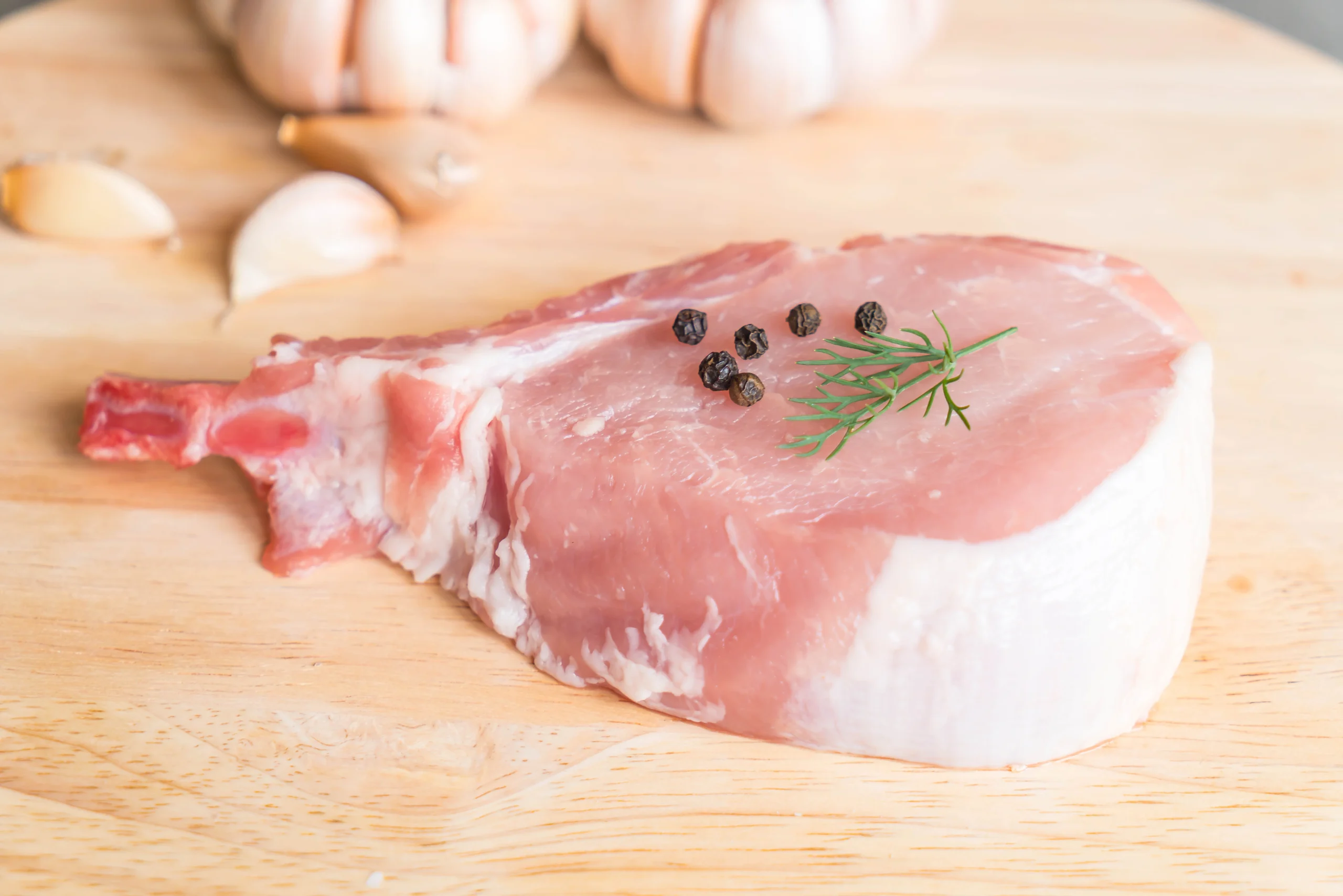
Pork loin, especially when boneless and raw, is a popular cut of meat known for its versatility and lean profile compared to other pork cuts. Here’s an in-depth look at boneless pork loin, including its basic information, nutritional content, physical characteristics, culinary uses, and geographical data.
Basic Information
- Common Name: Pork Loin (Boneless)
- Scientific Name: Sus scrofa domesticus
- Category: Meat
- Varieties: While the pork loin itself is a specific cut, variations can include how it’s processed or sliced, such as into pork loin roasts, chops, or tenderloin (a smaller, more tender section of the loin).
Nutritional Information
- Macronutrients: Boneless pork loin is rich in protein and has a moderate fat content, with minimal to no carbohydrates. A 3-ounce (85g) serving of cooked, lean pork loin contains approximately 21.1 grams of protein and 9.47 grams of fat.
- Micronutrients: This cut is an excellent source of B vitamins, particularly B1 (thiamine), B2 (riboflavin), B3 (niacin), B6, and B12. It’s also a good source of phosphorus, selenium, zinc, and contains iron.
Phytonutrients
As previously mentioned regarding pork products, pork loin, including the boneless, raw variety, does not contain phytonutrients because phytonutrients are specific to plants. These bioactive compounds, found exclusively in fruits, vegetables, grains, and other plant materials, play a crucial role in promoting health and preventing disease. Since pork is an animal product, it does not possess these plant-based compounds.
However, pork loin is nutritionally valuable for its high-quality protein, vitamins, and minerals that are essential for human health. Here’s a recap of the nutritional components found in boneless, raw pork loin, focusing on what it does provide rather than phytonutrients:
Nutritional Components in Boneless, Raw Pork Loin
- Protein: Pork loin is an excellent source of high-quality protein, necessary for building and repairing tissues, making enzymes and hormones, and supporting overall health.
- Fats: Contains a moderate amount of fats, which include a mix of saturated and unsaturated fats. The exact fat content can vary depending on how the pork loin is trimmed.
- Vitamins:
- B Vitamins: Particularly rich in Thiamin (B1), Riboflavin (B2), Niacin (B3), Vitamin B6, and Vitamin B12, which are crucial for energy production, brain function, and maintaining healthy blood cells.
- Minerals:
- Selenium: An important antioxidant that helps to protect cells from damage.
- Zinc: Essential for immune function, wound healing, DNA synthesis, and cell division.
- Phosphorus: Vital for the formation of bones and teeth and important in how the body uses carbohydrates and fats.
- Iron: Necessary for the transport of oxygen in the blood. Pork contains heme iron, which is more easily absorbed by the body than the non-heme iron found in plant sources.
Health Considerations
Although pork loin is a nutritious meat option with a variety of essential nutrients, it’s important to consume it as part of a balanced diet that also includes a wide range of fruits and vegetables. These plant-based foods provide phytonutrients, fiber, and other compounds that are essential for maintaining good health and preventing chronic diseases. Incorporating a variety of nutrient sources in your diet can help ensure you’re getting a broad spectrum of vitamins, minerals, and phytonutrients necessary for optimal health.
Calorie Count and Glycemic Index
- Calorie Count: A 3-ounce (85g) serving of cooked, lean pork loin has about 168 calories.
- Glycemic Index: Meat products, including pork loin, have a glycemic index of 0 since they do not contain carbohydrates.
Physical Characteristics
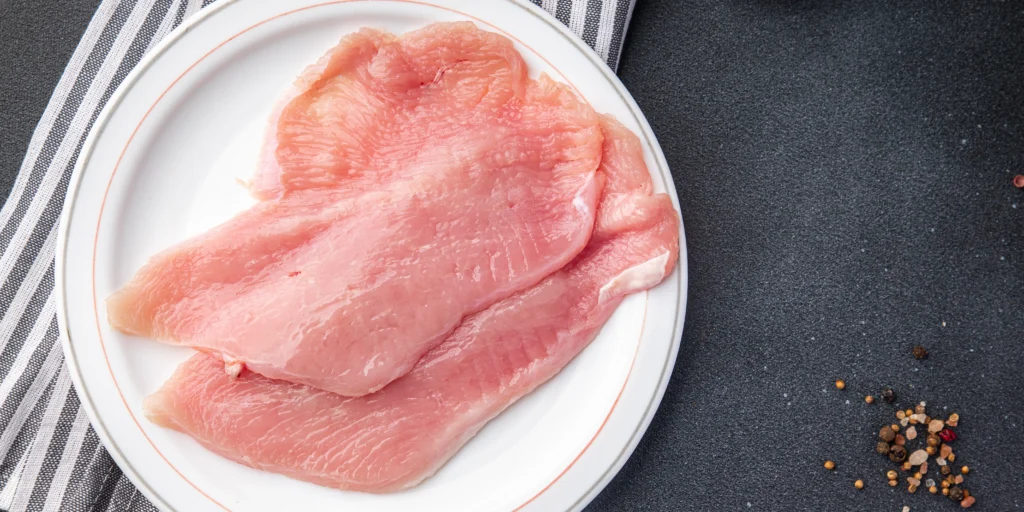
- Color: Raw boneless pork loin is a light pink to pale red.
- Shape: It’s typically a large, cylindrical piece of meat, uniform in shape, especially when boneless.
- Size: The size can vary but is usually sold in pieces weighing several pounds.
- Texture: The meat is firm to the touch and has a fine grain, with visible marbling that varies depending on the specific cut and the animal’s diet and breed.
Culinary Uses
- Common Dishes: Pork loin is incredibly versatile and can be roasted, grilled, sautéed, or slow-cooked. It’s often served as a roast or cut into chops.
- Preparation Methods: It can be marinated, rubbed with spices, or brined to enhance flavor and tenderness before cooking. Cooking methods include roasting whole in the oven, grilling slices as chops, or slow cooking for pulled pork dishes.
- Suitable Pairings: Pork loin pairs well with a wide variety of flavors, including apple, mustard, sage, garlic, and barbecue sauce. It’s complemented by sides like roasted vegetables, mashed potatoes, and salads.
Geographical Information
- Origin: Domesticated pigs (Sus scrofa domesticus) have been raised for food since ancient times, with evidence of pig farming dating back thousands of years in Europe and Asia.
- Primary Growing Regions: Today, pork is globally produced, with China, the European Union, the United States, and Brazil leading in pork production.
- Seasonal Availability: Pork, including pork loin, is available year-round due to controlled farming and meat processing practices.
Pork loin, particularly when boneless, offers a lean and nutritious option for a wide array of dishes, providing a high-quality protein source along with essential vitamins and minerals. Its culinary flexibility makes it a favorite among home cooks and professional chefs alike, capable of adapting to various cuisines and cooking styles.
| proximates: | |
| Water | 68.8 g |
| Energy (Atwater General Factors) | 168 kcal |
| Energy (Atwater Specific Factors) | 174 kcal |
| Nitrogen | 3.38 g |
| Protein | 21.1 g |
| Total lipid (fat) | 9.47 g |
| Ash | 1.07 g |
| Minerals: | |
| Calcium, Ca | 4 mg |
| Iron, Fe | 0.45 mg |
| Magnesium, Mg | 22 mg |
| Phosphorus, P | 197 mg |
| Potassium, K | 361 mg |
| Sodium, Na | 40 mg |
| Zinc, Zn | 1.57 mg |
| Copper, Cu | 0.038 mg |
| Manganese, Mn | <0.0125 mg |
| Lipids: | |
| Fatty acids, total saturated | 3.28 g |
| Fatty acids, total monounsaturated | 3.95 g |
| Fatty acids, total polyunsaturated | 1.38 g |
| Fatty acids, total trans | 0.029 g |
| Cholesterol | 56 mg |