

Sodium (the major mineraland electrolyte mineral)

Sodium is a major mineral needed by the human body Sodium is one of the minerals needed by our bodies. Sodium is the most common major mineral needed by human bodies. We take sodium mainly from salt daily. The salt we take every day has its chemistry name, sodium chloride. The salt, sodium chloride, contains […]
Chloride (the major mineraland electrolyte mineral)

The major mineral required by the human body. Chloride is one of the seven major minerals needed by human bodies. Chloride, along with the major mineral sodium, is the most common mineral in our daily life, as the salt we intake daily is sodium chloride. The salt we take in our diet is sodium chloride. […]
Potassium (the major mineral and electrolyte mineral)

Potassium is the essential major mineral needed by human bodies Potassium is an essential nutrient and the most abundant ion in cells. Potassium is present in all body tissues. As potassium maintains intracellular fluid volume and transmembrane electrochemical gradients, potassium is required for normal cell function. Potassium strongly correlates with sodium; sodium regulates the extracellular […]
Calcium, the major mineral for strong bones and teeth
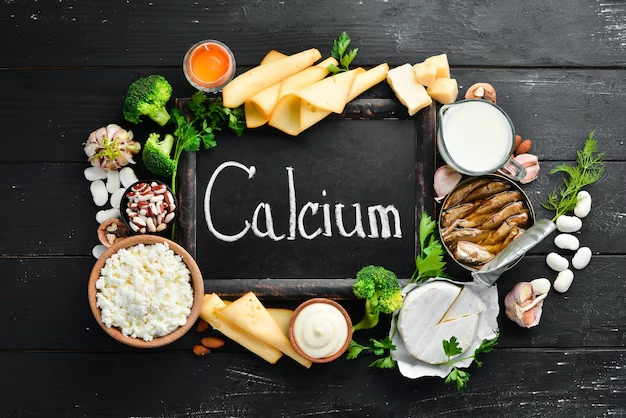
Calcium is the most abundant mineral in the body. The baby’s body contains about 26 to 30 grams of calcium at birth. This amount rises quickly after birth, reaching nearly 1,400 grams in men and 1,200 grams in women by adulthood. These calcium levels remain constant in men. In women, due to the decreased estrogen […]
Phosphorus `The Major Mineral

Phosphorus is an essential mineral. Phosphorus is a component of bones, teeth, DNA, and RNA. Phosphorus is also a structural component of the cell membrane and ATP; ATP is the body’s essential energy source. In addition, phosphorus plays a critical role in regulating gene transcription, activating enzymes, maintaining normal pH in extracellular fluid, and storing […]
Magnesium The major mineral

Magnesium is an abundant mineral in the body. Magnesium is a mineral cofactor in more than 300 enzyme systems regulating various biochemical reactions, including blood pressure, blood glucose control, muscle and nerve function, and protein synthesis. In addition, magnesium is required for glycolysis, energy production, and oxidative phosphorylation. Magnesium plays a role in the structural […]
Sulfur The major mineral

Sulfur is a major mineral required by the human body. Sulfur is present in protein structures in the body. Sulfur is mainly consumed as a part of dietary proteins and sulfur-containing vitamins; for example, thiamin (vitamin B1) and biotin (vitamin B7)contain sulfur. Sulfur is a major mineral with no recommended intake or deficiencies when protein […]
Iron The essential micromineral required by our bodies
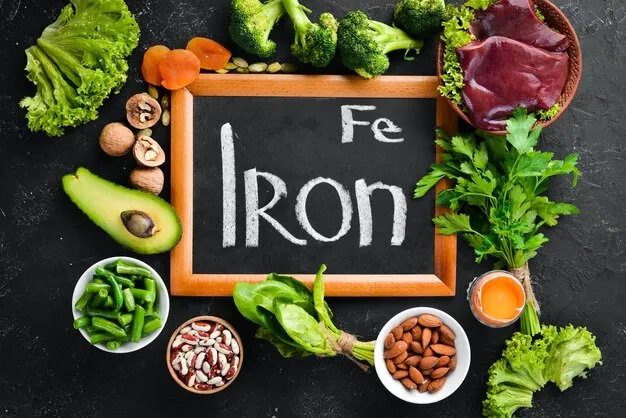
What does Iron do in our bodies? Iron is a significant blood constituent essential for hemoglobin in red blood cells. Iron has other vital roles in the body’s growth and maintenance. Iron is also necessary for physical growth, neurological development, cellular functioning, and the synthesis of some hormones. Iron helps change beta-carotene to vitamin A. […]
Copper, the essential mineral required by the human body

What does copper do in the human body? Copper helps produce energy in all the cells of the human body. Copper is a component of several enzymes known as cuproenzymes. These enzymes are involved in the following body processes: For example, ceruloplasmin is an enzyme containing the mineral copper. Ceruloplasmin plays a role in iron […]
Zinc, is the essential mineral required by the human body

Zinc, the essential trace mineral. What does zinc do in our bodies? Zinc is an essential mineral required by human bodies. The nutritional food sources of Zinc. Many foods contain zinc. However, the bioavailability of zinc from plant-based foods is lower than that from animal foods. Because the phytates contained in nuts, beans, and grains […]
Selenium is the essential mineral required by the human body
Selenium is a trace element, nutritionally essential for humans. Selenium is a constituent of more than two dozen selenoproteins (proteins containing Selenium) that play critical roles in DNA synthesis, thyroid hormone metabolism, reproduction, protection against infections, and oxidative damage. Selenium is present in the amino acid Selenocysteine found only in Selenoproteins. Selenium and Thyroid hormones: […]
Chromium
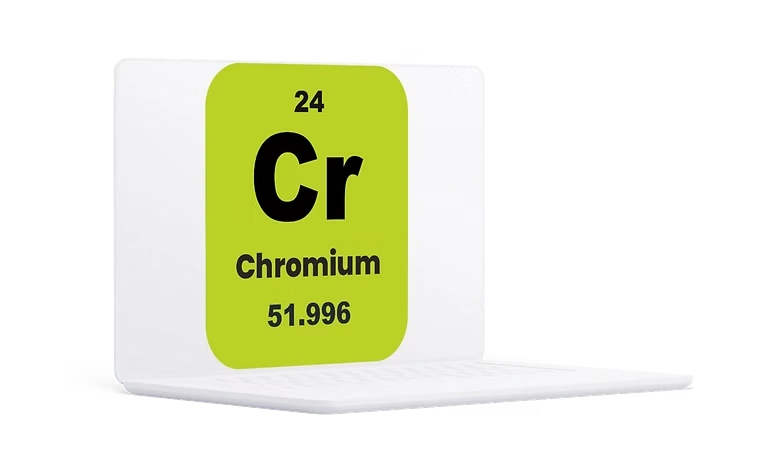
Chromium, as trivalent (+3) chromium, is a trace element that is naturally present in many foods and available as a dietary supplement. Chromium is not an essential mineral because an absence or deficiency of chromium does not produce abnormalities that can be reversed with the addition of chromium. Chromium deficiency has not been reported in […]