

Vitamin A

Your Gateway to Health and Wellness Are you looking to supercharge your health and wellness journey? Look no further than the potent, all-encompassing world of Vitamin A. This indispensable vitamin is your ticket to a healthier you, helping you achieve your fitness and well-being goals. Let’s delve into the transformative world of Vitamin A and […]
Multivitamins

Unlock Your Full Potential with Multivitamins In our fast-paced lives, it’s not always easy to ensure we get all the essential vitamins and minerals our bodies need to thrive. That’s where multivitamins step in as your all-in-one solution to fill those nutritional gaps and keep you in the pink of health. Discover why incorporating a […]
The Six Groups of Nutrients
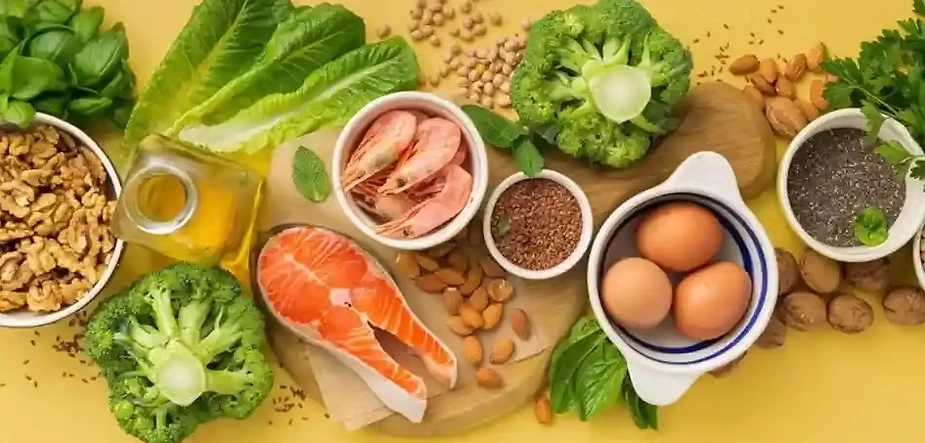
What are nutrients? Nutrients are the nourishing substances in food that provide water, energy, or calories, promote the growth and maintenance of the human body, and regulate body processes. In other words, nutrients are the nourishing substances in food that give us water, energy, and building materials, allow our body to grow and develop, maintain […]
Macronutrients and Micronutrients

What are Macronutrients? Macronutrients are water, carbohydrates, protein, and fats. Macro means large. The body needs large amounts of water, carbohydrates, fats, and protein, so they are named macronutrients. Carbohydrates, fats, and proteins are also called energy-yielding nutrients. Energy-yielding nutrients are the nutrients that can be burned as fuel to provide energy for the body. […]
Macronutrients

Carbohydrates | the Macronutrient Carbohydrates are a large class of nutrients, including sugars, starch, and fibres. Carbohydrates function as the body’s primary source of energy. We will talk about sugar, starch, and fibres. We will discuss the common sugars we usually see and use: sucrose (table sugar or white sugar), glucose, lactose, fructose, and maltose. […]
Micronutrients

Micronutrients: Vitamins and Minerals. Micronutrients are vitamins and minerals. Micro means small. The body needs vitamins and minerals in small amounts, so these two types of nutrients are called micronutrients. Although Vitamins and minerals are the nutrients required by the body in small quantities, these play significant roles in the body’s vital functions. In summary, […]
Water

Water is essential to life. Water is vital in all bodily processes, making up just over half of the body’s weight. Water supplies the medium where various body chemical changes occur, aiding digestion, absorption, circulation, and lubrication of body joints and soft tissues. As a major component of blood, water helps deliver nutrients to body […]
What Happens When We Eat

The digestion of food To become part of the body, food must be digested and absorbed. Digestion is the process by which food is broken into its components in the mouth, stomach, and small intestine with the help of digestive enzymes and fluids. Enzymes are substances that speed up food’s breaking down to help the […]
Sugar

Sugars are carbohydrates. The natural sugar in fruits is glucose and fructose, and the natural sugar in milk is lactose. Table sugar or cane sugar is added to foods and sold in grocery stores; table sugar is sucrose. In this sugar section, we will talk about sugars including glucose, sucrose, fructose and lactose. Simple Carbohydrates […]
Monosaccharides

In addition to glucose, there are two other monosaccharides, galactose and fructose, most often in the human diet. For plants and animals, glucose is the preferred fuel source. The human brain depends on glucose, except during extreme starvation conditions. Galactose is a monosaccharide sugar. Galactose is found in avocados, sugar beets, and dairy products. The […]
Disaccharides

Our daily diet has three main types of disaccharides: sucrose, lactose, and maltose. Sucrose is a disaccharide, the sugar sold in the grocery store as table sugar, icing sugar, or granular sugar. Each sucrose molecule comprises one unit of glucose and one unit of fructose. Sucrose is found in many fruits and vegetables and in […]
Glucose

Glucose is the most abundant simple sugar found in nature. Glucose is found in honey, other sweeteners, fruits, and other plant foods. Plants make their glucose for energy. Glucose is humans’ primary energy source as well. Most of our carbohydrates are digested into glucose for the body to use. The amount of glucose in our […]
Fructose

Fructose: The Fruit Sugar Fructose, the sweetest natural sugar, is found in fruits and honey. Fructose is a monosaccharide. Fructose is also known as fruit sugar, as fructose primarily occurs naturally in many fruits. Fructose is also contained naturally in other plant-based foods such as honey, sugar cane, sugar beets, and vegetables. Fructose, or fruit […]
Sucrose

Sucrose: The Table Sugar The sugar, also called icing sugar, table sugar, granulated sugar | sucrose is a disaccharide. Sucrose, a disaccharide, is a sugar composed of one glucose and one fructose sub-unit in each sucrose molecule. Sucrose is commonly called white sugar, table sugar, or simply sugar. Sucrose is the chemical name of the […]
Lactose

Lactose, a disaccharide, is the natural sugar in milk. Although milk is not a food you think of as sweet, milk contains sugar lactose. Lactose is a natural sugar contained in milk and milk products, like cheese and yogurt, and lactose is only slightly sweet. Lactose is a disaccharide, and one lactose molecule shall consist […]
Polysaccharides

The Polysaccharides: Starch and Fiber Starches and fibers are also called complex carbohydrates because they are made of long chains of glucose, as plants store glucose in the form of starch. Starch is a natural component of most plants, fruits, grains, and vegetables. Starch is also called polysaccharides, and each starch molecule is composed of […]
Starch

Starchy foods are the body’s primary source of energy. Starchy foods are essential to a balanced diet, providing energy, fibre, and a sense of fullness. The body breaks down starch molecules into glucose, the body’s primary fuel source. Grains are the seeds of cultivated grasses. Examples of grains are wheat, corn, rice, rye, barley, and […]
Sugar Substitues
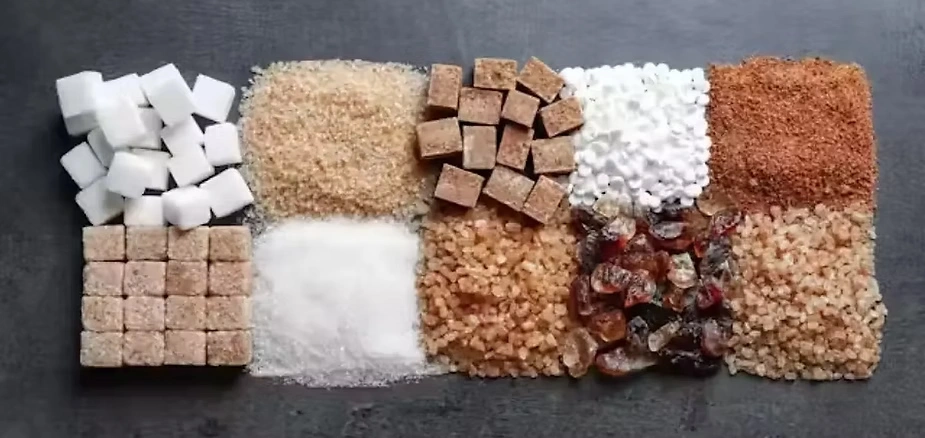
Sugar Substitutes to Lessen Empty Calories in the Diet Sugar substitutes are artificial sweeteners or natural sweeteners extracted from plants. Sugar substitutes usually give a sweet taste to foods and beverages while providing little or no calories. In this post, we have given you a general description of sugar substitutes, including artificial sweeteners and natural […]
Glycemic Index

Glycemic Index: A Helpful for Diabetics The glycaemic index (GI) tells us whether a carbohydrate-containing food raises blood glucose levels quickly, moderately or slowly. This means it can be useful to help you manage your diabetes. The Glycemic Index(GI) is a number or value that tells about the rise in blood glucose level after eating […]
Empty Calories

Saturated fats and added sugars enhance the flavors and tastes of foods when cooking the foods and make the foods more appealing. Nowadays, many foods and beverages contain empty calories, which means calories from saturated fats or added sugars that add few or no nutrients. Saturated fats and added sugars contribute about 35% of daily […]
Digestion and Absorption of Carbohydrates
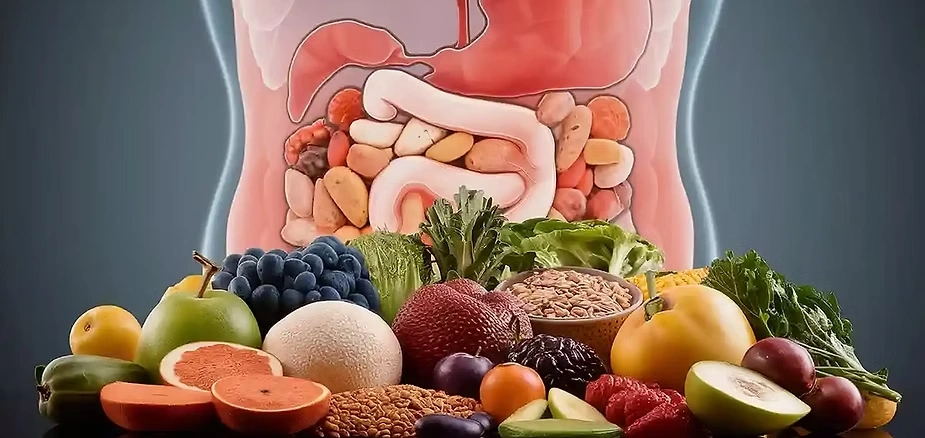
From the Mouth to the Stomach The digestion of carbohydrates starts from eating the foods as the chemical and mechanical digestion of carbohydrates begins in the mouth. The Chewing Process crumbles the carbohydrate foods into smaller pieces. The saliva secreted from the salivary glands coats the food to facilitate absorption. About five percent of starches […]
Dietary Fiber
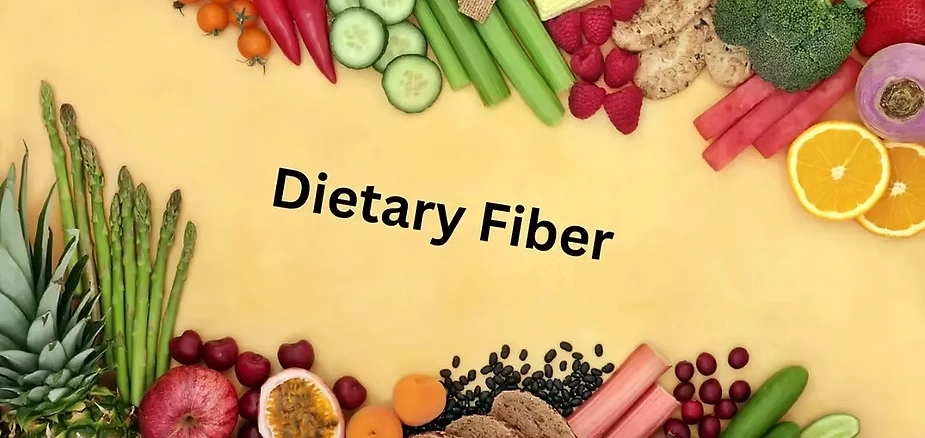
Humans do not produce the enzymes that break down dietary fiber; however, large intestine (colon) bacteria can break down some fibers. Dietary fibers are beneficial to our health. Studies show that diets high in fiber may reduce some obesity and obesity-related health risks. Water-Soluble Dietary Fiber and Water-Insoluble Dietary Fiber Dietary fiber is categorized as […]
Carbohydrates and Energy
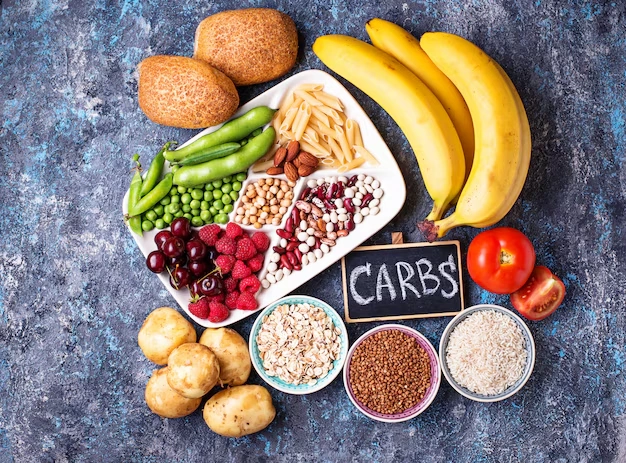
Carbohydrates are critical to support life’s most basic function—energy production. Without energy, none of the life processes can be performed. As the primary energy source, carbohydrates must be consumed in moderation to provide energy to perform all functions and activities. Carbohydrates for Energy Production The primary role of carbohydrates is to supply energy to all […]
Free Radicals
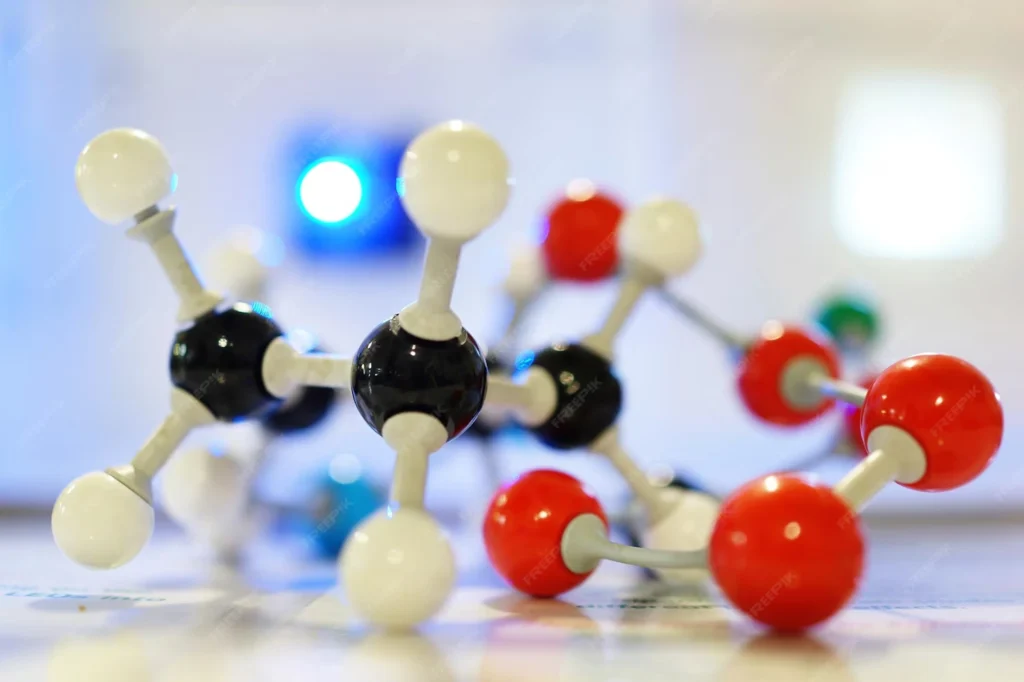
Free radicals, the oxidants in the human bodies Free radicals are produced in our bodies when the foods we eat are converted to the energy we rely on. Factors from the environment can also trigger the generation of free radicals. Energy sources and environmental substances can add to or accelerate the production of free radicals […]
Body’s Balanced Defense

The Body’s Balanced Defense, The Two Sides Of Free Radicals Free radicals have positive effects required by the body’s immune system While our bodies have acquired multiple defenses against free radicals, the human body also uses free radicals to support its functions. The immune system uses the cell-damaging properties of free radicals to kill pathogens. […]
Phytonutrients and Antioxidants

Phytonutrients are nutrients in plants that may provide some health benefits. Phytonutrients is a broader term that encompasses antioxidants. Phytonutrients include capsaicin, flavonoids, resveratrol, polyphenols, carotenoids, indoles, lignin’s, phytoestrogens, stanols, saponins, terpenes, anthocyanidins, phenolic acids, and many more. They are found in fruits and vegetables, grains, nuts and seeds, legumes, and some natural spices. Many […]
Vitamin A

Vitamin A | The essential fat-soluble vitaminVitamin A is a fat-soluble vitamin that is naturally present in many foods. Vitamin A is the name of a group of fat-soluble retinoids, which are primarily retinol and retinyl esters. Vitamin A for health Vitamin A is critical in the normal function and maintenance of the heart, lungs, […]
Vitamin D: The essential fat-soluble vitamin

Vitamin D | What is vitamin D? | What does vitamin D do in your body? Vitamin D is a fat-soluble vitamin that is naturally present in some foods, added to other foods, and available as a dietary supplement. Vitamin D is also produced endogenously when ultraviolet rays from sunlight strike the skin and then […]
Vitamin E: The essential fat-soluble vitamin
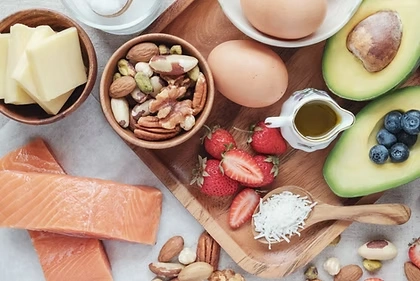
Vitamin E is an important antioxidant Vitamin E | An antioxidant that the body needs to stay healthy What are free radicals, and what do they do? What are free radicals, and how are free radicals generated in our bodies? What foods provide vitamin E? Vitamin E is found naturally in foods and is added to […]
Vitamin C

What is vitamin C? What does vitamin C do in our bodies? Vitamin C’s antioxidative function and its role in immune function Vitamin C Foods: Human bodies can not make vitamin C endogenously, and vitamin C must come from our diet. Citrus fruits, such as oranges, tangerines, and grapefruits, are excellent sources of vitamin C. […]
Vitamin B1 | Thiamin | The nutritional sources of thiamin | Vitamin B1
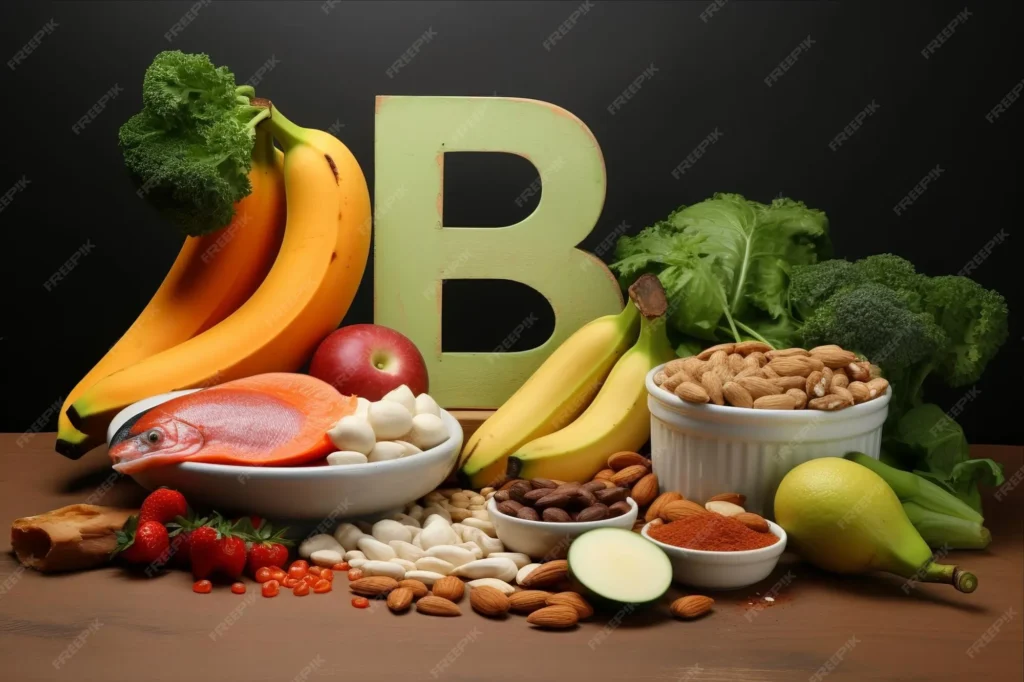
What is vitamin B1? Vitamin B1 is also known as thiamin. Vitamin B1 helps turn the food we eat into the energy we need. In addition, vitamin B1 is an essential nutrient for our body cells’ growth, development, and function. Thiamin is one of the B vitamins and is a water-soluble vitamin. Vitamin B1 is […]
Vitamin B2 | Riboflavin | The nutritional sources of riboflavin | Vitamin B2
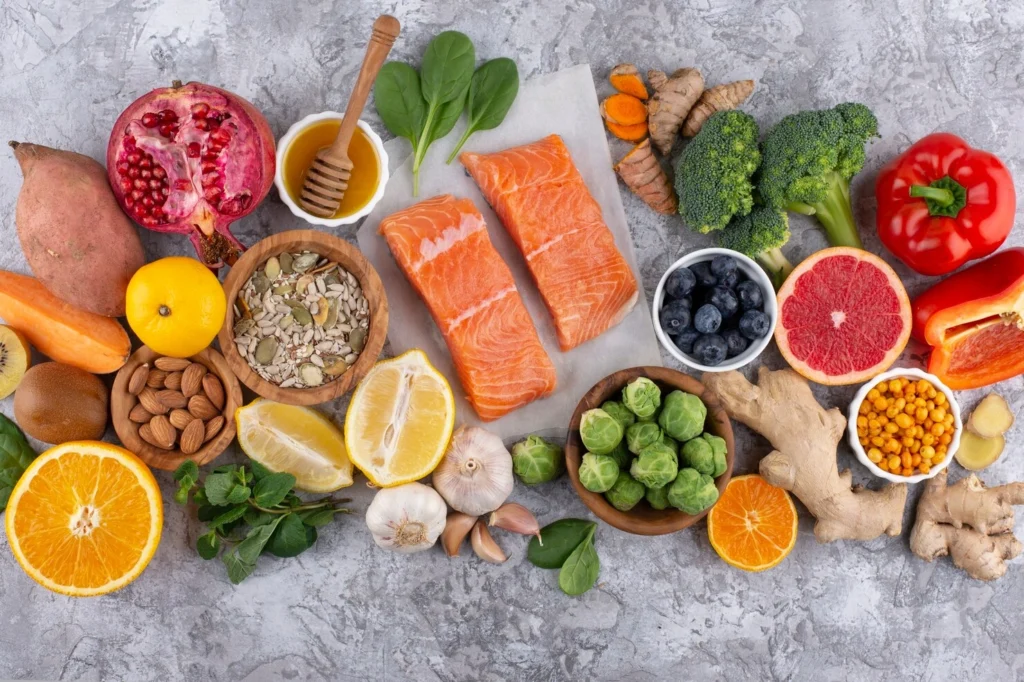
What is riboflavin? Riboflavin is also known as vitamin B2, a water-soluble vitamin. What does riboflavin do in our bodies? What are the nutritional food sources of Riboflavin? Top Riboflavin food list: Enriched: Here, we would like to explain the term “enriched”: Enriching means adding the original nutrients back into processed foods. For example, riboflavin […]
Vitamin B3 | NiacinNiacin | The nutritional sources of niacin | Vitamin B3
Niacin (Vitamin B3) | For our bodies’ Energy and Metabolism & Anti-oxidation Defense Niacin is also known as Vitamin B3. Niacin is an essential nutrient obtained daily from our diet. Niacin is a water-soluble vitamin found naturally in some foods and additives and is also available as a supplement. Niacin is essential for the development […]
Vitamin B5 (Pantothenic acid)
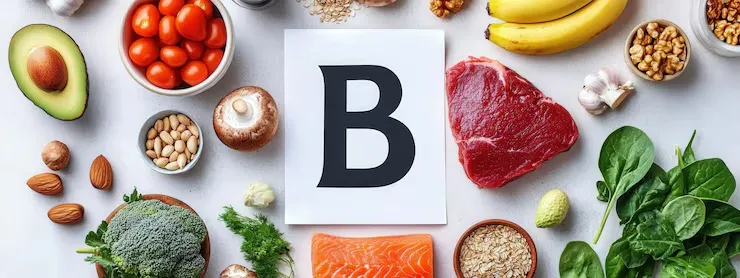
Pantothenic acid is also known as vitamin B5. It is an essential nutrient that is naturally present in some foods. Pantothenic acid is a water-soluble B vitamin. What does pantothenic acid do in our bodies? Pantothenic acid, also called vitamin B5, helps turn food into energy. Pantothenic acid is essential for many bodily functions, especially […]
Vitamin B6

Vitamin B6 | The essential B vitamin for health and mental health Vitamin B6 is a water-soluble vitamin. Vitamin B6 is one of the B vitamins and is an essential nutrient. Vitamin B6 is the generic name of six compounds (vitamers) with vitamin B6 activity. Pyridoxal 5’ phosphate (PLP) and pyridoxamine 5′ phosphate (PMP) are the […]
Biotin – Vitamin B7
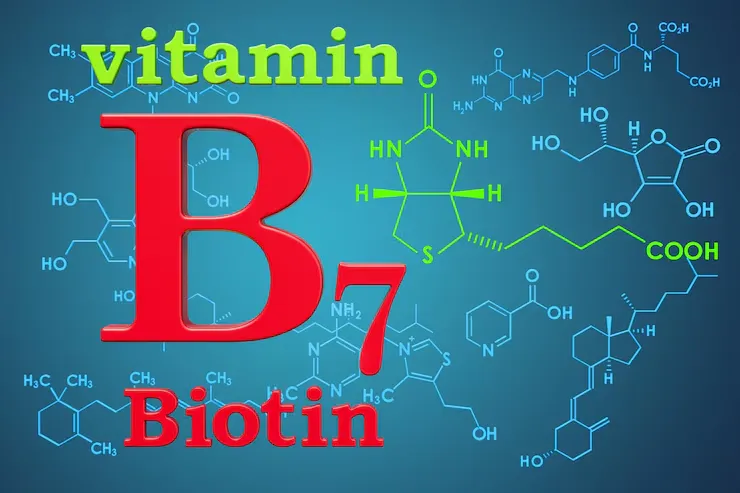
What does biotin do in our bodies? How much biotin do you need? The recommended average daily intake level of the nutrient is also called AI. The AI of biotin is the following: For teens ages 14 to 18, the AI of biotin is 25 micrograms daily. For ages 19 and older, the AI is […]
Folate, vitamin B9

Folate is an essential vitamin for heart health and making body cells and red blood cells Folates are a family of essential nutrients obtained from natural sources, and the term folic acid is reserved for the manufactured form used as dietary supplements. What does folate do in our bodies? Vitamin B9: folate & folic acid More […]
Vitamin B12

Vitamin B12 Vitamin B12 is a water-soluble vitamin that is naturally present in some foods. Vitamin B12 contains the mineral cobalt; compounds with vitamin B12 activity are collectively called “cobalamins.” Vitamin B12 is essential for the development, myelination, and function of the central nervous system; healthy red blood cell formation; and DNA, RNA, proteins, and […]
Choline, the vitamin B complex
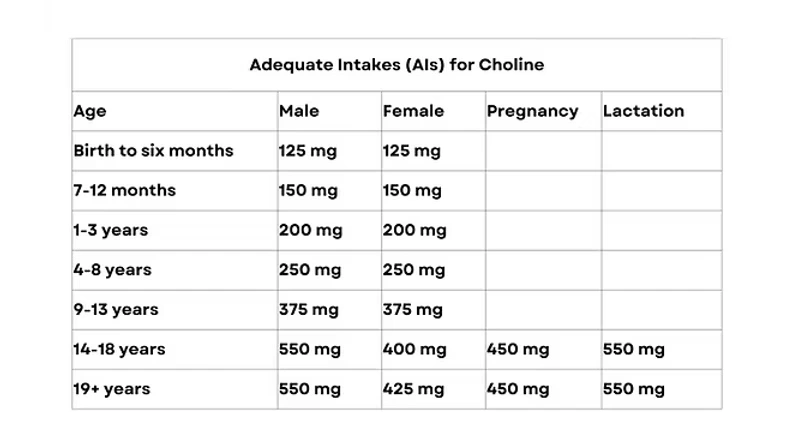
Choline | B-Complex Vitamin | for Fat Metabolism & Memory Storage | B vitamin Series What does choline do in our bodies? Choline is a vitamin-like substance and a constituent of cell membranes. The brain and nervous system require choline to regulate memory, mood, muscle control, and other brain and nervous system functions. Choline is […]
Vitamin Bs

Vitamin Bs are essential nutrients for our health and energy. There are eight B vitamins: thiamine (vitamin B1), riboflavin (vitamin B2), niacin (vitamin B3), vitamin B6, folate (vitamin B9), vitamin B12, biotin (vitamin B7), and pantothenic acid (vitamin B5). There is also a B-vitamin complex, choline. Choline and the eight vitamins Bs and vitamin C […]
Water-Soluble Vitamins

Water-soluble vitamins are eight B vitamins, choline, and vitamin C: What are water-soluble vitamins and fat-soluble vitamins? Water-soluble vitamins are not stored in our bodies in significant amounts. We need a regular supply of water-soluble vitamins from foods because our bodies use what we need and then excrete the excess through urine. When we plan […]
Fat-Soluble Vitamins

Fat-soluble vitamins: Fat-soluble vitamins There are four fat-soluble vitamins; they are vitamin A, vitamin D, vitamin E, and vitamin K. These vitamins dissolve in fat. The fat-soluble vitamins are carried in foods and into our bloodstream in a medium of fat or lipids. Once these vitamins are absorbed, they attach to lipids or fat. Because […]