

Flour, wheat, all-purpose, enriched, unbleached
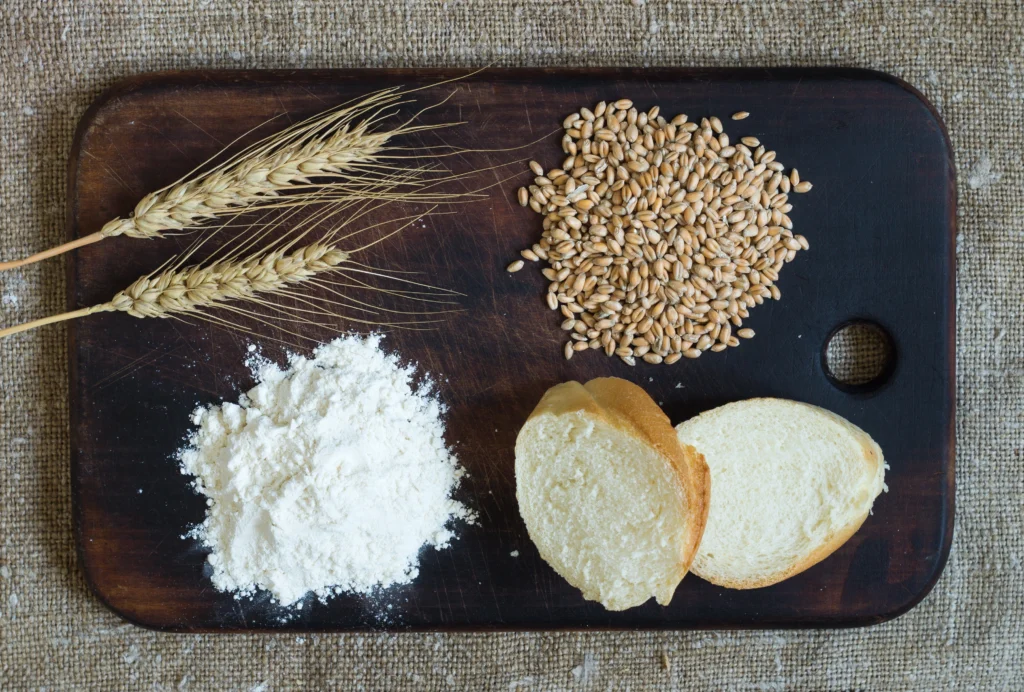
All-purpose, enriched, unbleached wheat flour is a fundamental ingredient in many culinary traditions, offering versatility for a wide range of baking and cooking applications. Derived from the wheat plant (Triticum aestivum), this type of flour is made by milling wheat grains and removing the bran and germ, focusing on the endosperm. Unlike its bleached counterpart, […]
Flour, spelt, whole grain
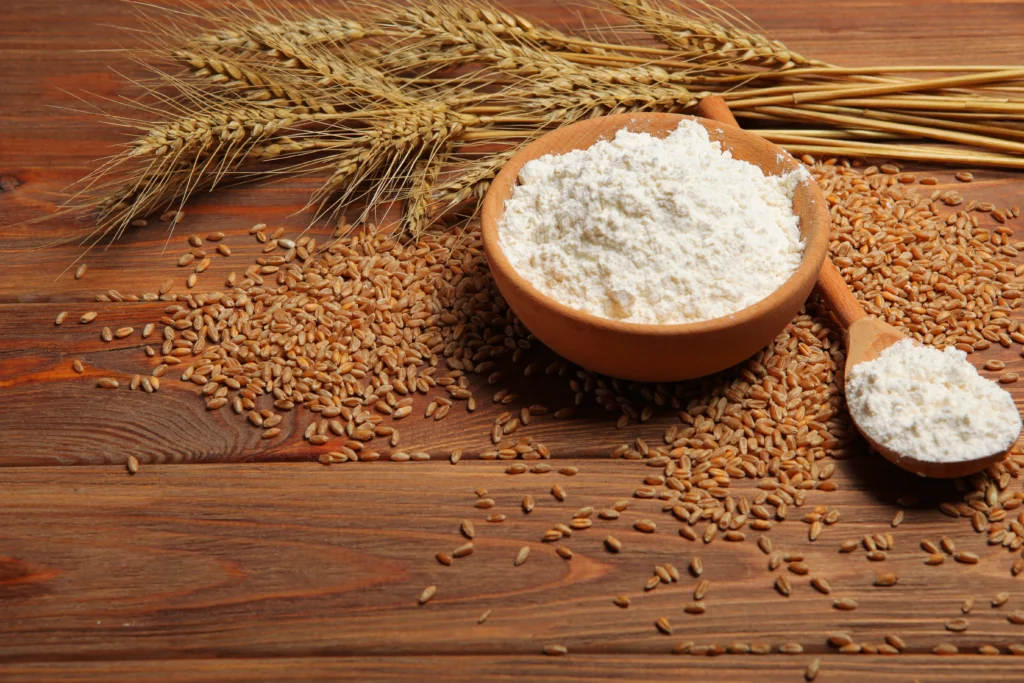
All-purpose, enriched, bleached wheat flour is a staple ingredient in many kitchens around the globe, known for its versatility in baking and cooking. Derived from the common wheat plant (Triticum aestivum), this type of flour undergoes processing to remove the bran and germ, leaving mostly the endosperm. It’s then enriched with vitamins and minerals that […]
Flour, spelt, whole grain

Whole grain spelt flour is made from the entire grain of the spelt plant (Triticum spelta), which is an ancient grain closely related to wheat. It belongs to the cereal grain category and has been cultivated since approximately 5000 BCE. Spelt flour is appreciated for its nutty flavor, nutritional benefits, and versatility in baking and […]
Flour, soy, full-fat
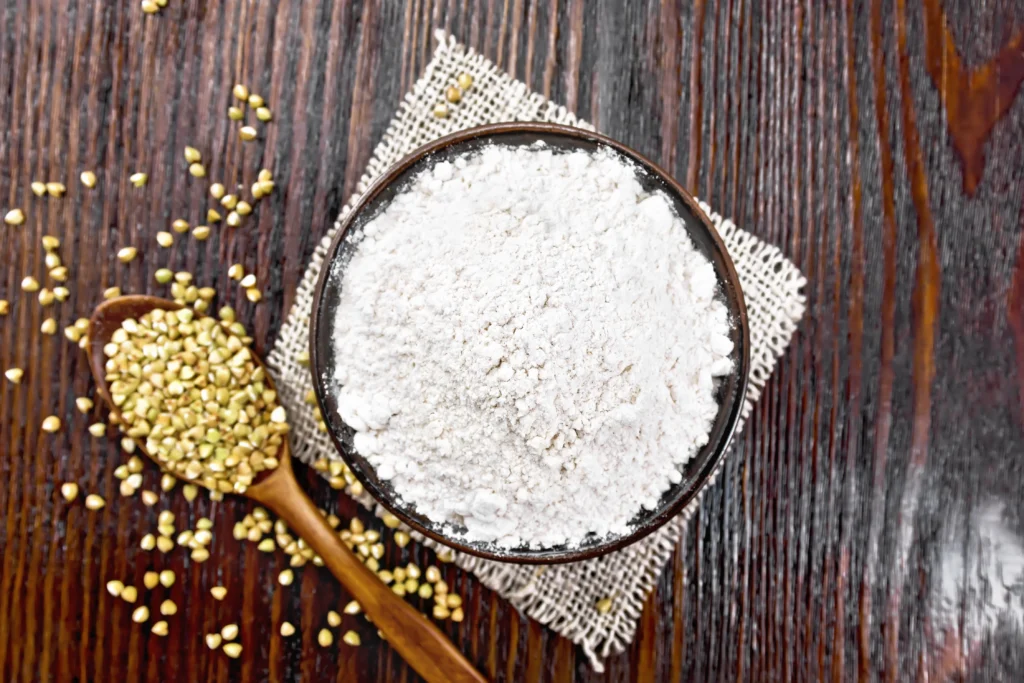
Full-fat soy flour is produced from whole soybeans (Glycine max), retaining all the natural oils present in the beans. This flour is part of the legume family and stands out due to its high protein and fat content, making it a nutritious alternative to traditional grain flours. Here is an overview of full-fat soy flour, […]
Flour, soy, defatted
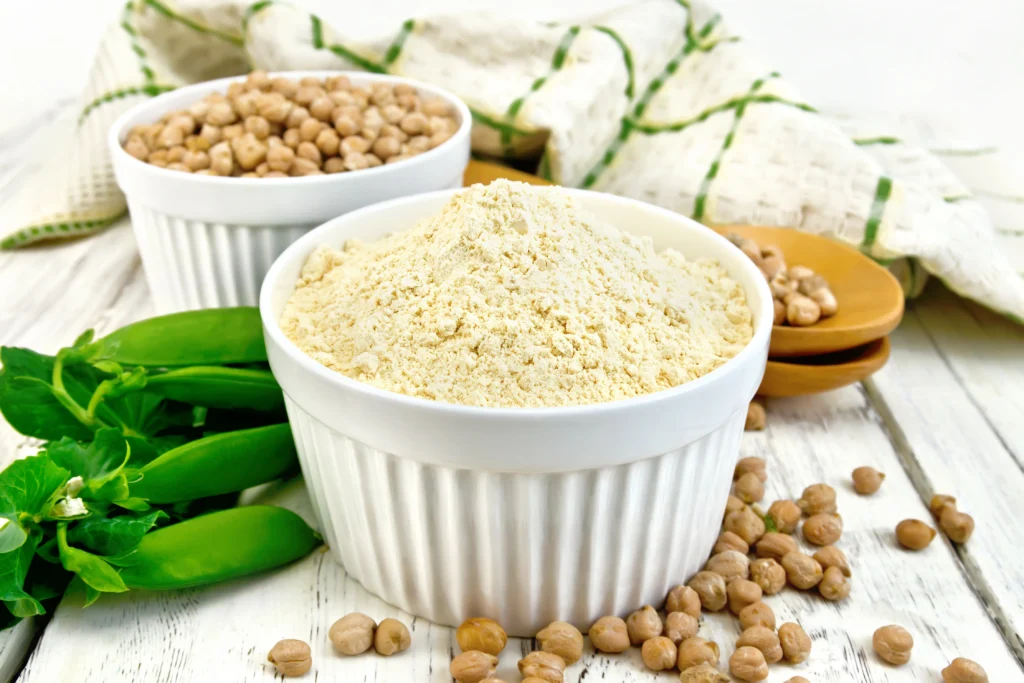
Defatted soy flour is produced from soybeans, with the scientific name Glycine max. It belongs to the legume family and is a valuable by-product of extracting soybean oil. The process involves removing most of the fat content, leaving a high-protein, low-fat flour that’s versatile in various culinary applications. Below is detailed information about defatted soy […]
Flour, semolina, fine
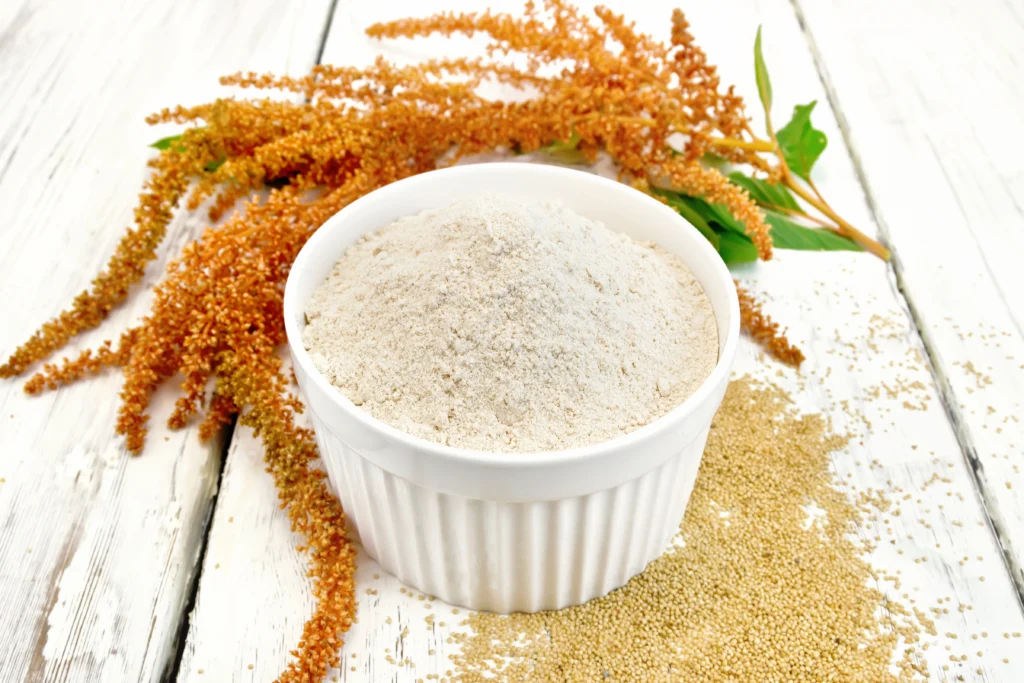
Sorghum flour, derived from the grains of the sorghum plant (Sorghum bicolor), is an increasingly popular alternative to traditional wheat flour due to its gluten-free nature and nutritional benefits. Originating from ancient grains, sorghum is a versatile ingredient used in various culinary applications worldwide. Here is a detailed overview of sorghum flour, covering its basic […]
Flour, semolina, fine
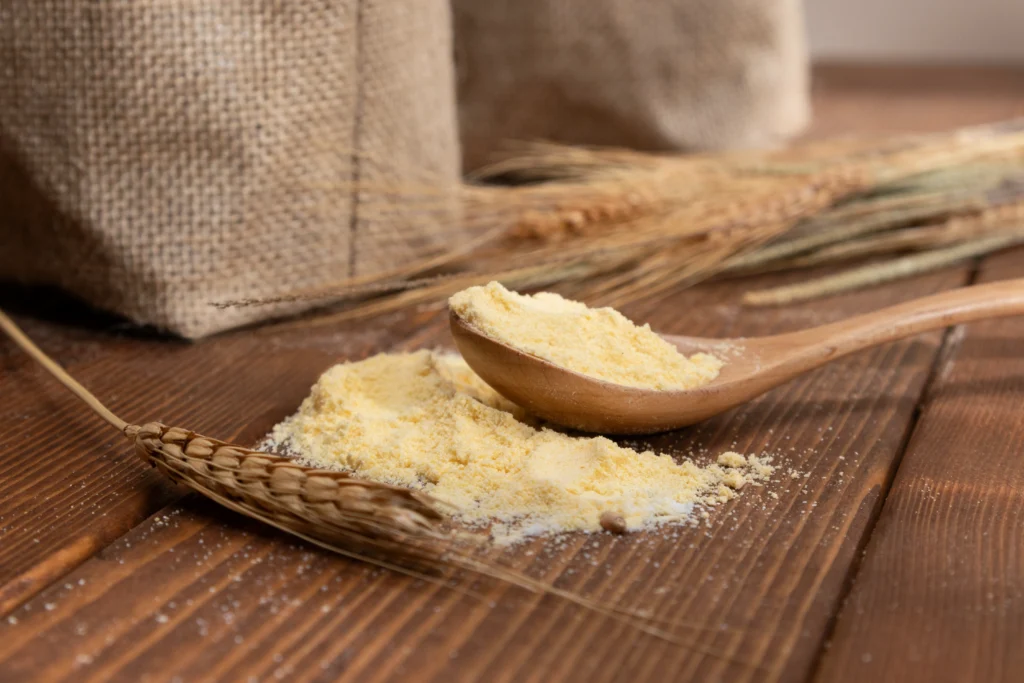
Fine semolina flour, produced from the endosperm of durum wheat (Triticum durum), is a key ingredient in a variety of culinary applications worldwide. Recognized for its distinctive yellow color and fine texture, it lends itself to both sweet and savory dishes. Here’s a comprehensive overview of fine semolina flour, covering its basic information, nutritional content, […]
Flour, semolina, coarse and semi-coarse

Semolina flour, derived from durum wheat (Triticum durum), is a staple in many cuisines around the world, particularly in Italian, North African, and Indian cuisines. It is most commonly used in the production of pasta, bread, and sweets. Semolina comes in various grades, including coarse and semi-coarse, which are distinguished by their texture and particle […]
Flour, rye
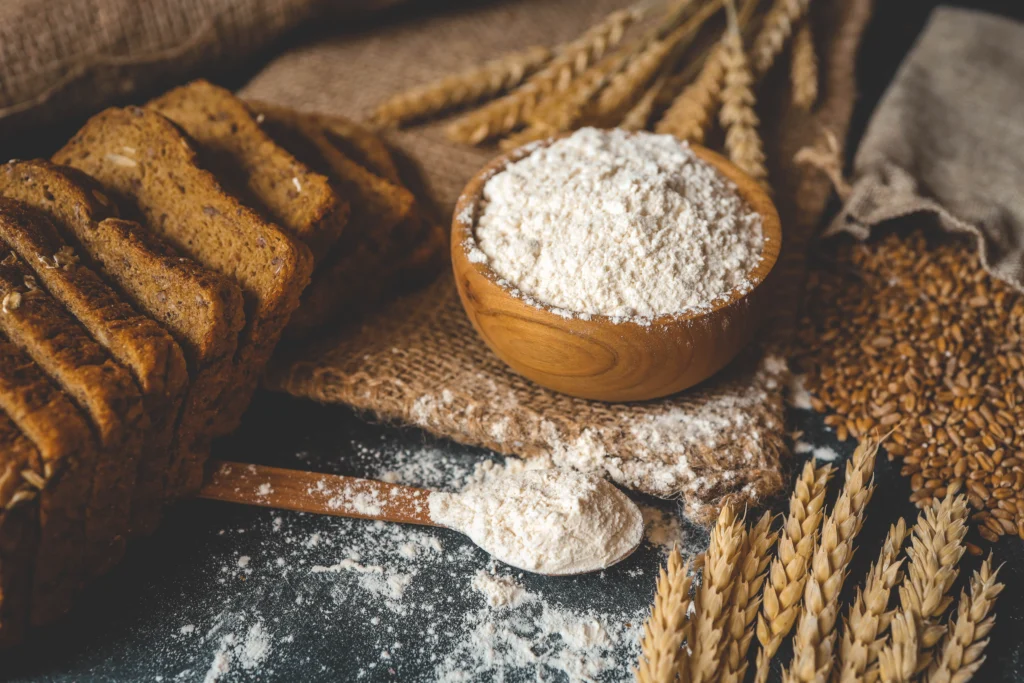
Rye flour, derived from the grain of the rye plant (Secale cereale), holds a significant place in culinary traditions across the world, particularly in Europe and North America. It’s a staple ingredient in many breads, imparting a distinctive flavor and nutritional profile. Here’s an in-depth look at rye flour, covering its basic information, nutritional content, […]
Flour, rice, white, unenriched
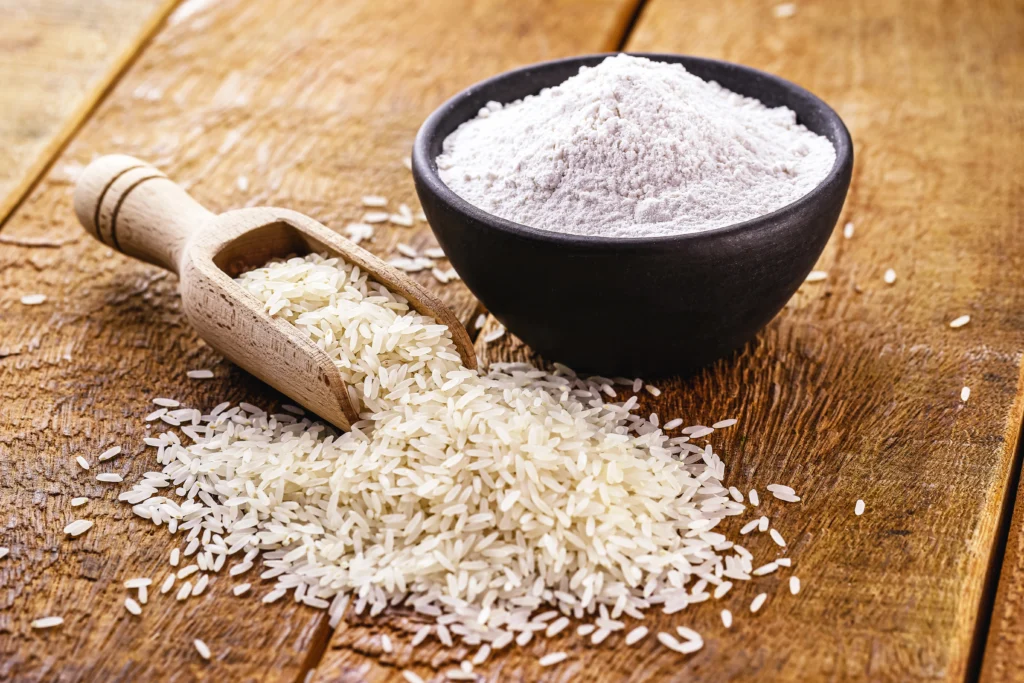
Basic Information Nutritional Information Phytonutrients Flour made from white rice, commonly referred to as white rice flour or simply rice flour when not enriched, lacks the diversity of phytonutrients found in whole grains or enriched flours. However, it still contains some beneficial compounds, primarily due to the minimal nutrients that remain after the refining process. […]