

Basic Information
- Common Name: Pinto Beans
- Scientific Name: Phaseolus vulgaris
- Category: Legume
Varieties
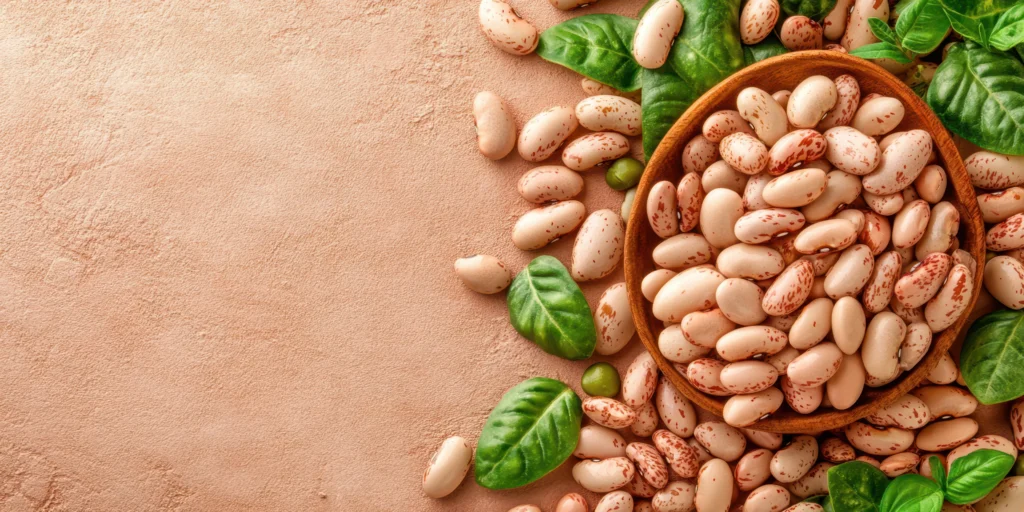
Pinto beans are a type of common bean, known for their speckled appearance when raw, which turns a uniform pinkish-brown when cooked. They are one of the most popular beans in the United States and Mexico. While the focus here is on canned pinto beans with sodium added, pinto beans don’t have distinct varieties within this preparation method.
Nutritional Information
- Macronutrients: Pinto beans are primarily composed of carbohydrates and are a good source of protein and dietary fiber, with very low fat content. A typical serving (1 cup, approximately 171 grams, canned, drained, and rinsed) contains:
- Carbohydrates: About 19.6 grams
- Proteins: Approximately 6.69 grams
- Fats: Less than 1.27 gram
- Micronutrients: Rich in vitamins and minerals, including folate, iron, magnesium, potassium, and zinc. They also contain B vitamins such as thiamine.
Phytonutrients
Pinto beans are a nutritious staple in many diets, packed with phytonutrients that offer various health benefits. These phytonutrients, plant-derived compounds, contribute to the antioxidant, anti-inflammatory, and overall health-promoting properties of pinto beans. Even when canned with sodium added, draining and rinsing the beans can help reduce the sodium content while retaining most of their beneficial phytonutrients. Here’s a closer look at the key phytonutrients found in pinto beans:
1. Fiber
- Type: Both soluble and insoluble fiber.
- Benefits: Supports healthy digestion, aids in cholesterol management, and helps regulate blood sugar levels.
2. Protein
- Type: High-quality plant protein.
- Benefits: Essential for muscle repair and growth, and provides a feeling of fullness, aiding in weight management.
3. Antioxidants
- Type: Includes flavonoids such as quercetin and kaempferol, and phenolic acids.
- Benefits: Protect cells from oxidative stress and may reduce the risk of chronic diseases.
4. Saponins
- Type: Plant compounds with a soap-like foaming characteristic.
- Benefits: May lower blood cholesterol levels, improve immune function, and have anti-cancer properties.
5. Phytic Acid (Phytates)
- Type: A storage form of phosphorus in plants.
- Benefits: Has antioxidant effects and can reduce the risk of certain types of kidney stones, though it may also reduce mineral absorption.
6. Lectins
- Type: Proteins that can bind to cell membranes.
- Benefits: In high amounts, lectins can be harmful, but the canning process significantly reduces their levels, making canned beans safe to eat. Lectins may contribute to cellular health and have potential anti-cancer properties.
7. Resistant Starch
- Type: A type of non-digestible carbohydrate that acts similarly to soluble fiber.
- Benefits: Feeds beneficial gut bacteria, promotes gut health, and may aid in blood sugar control.
8. Polyphenols
- Type: A broad category of antioxidants found in many fruits, vegetables, and legumes.
- Benefits: Offer anti-inflammatory and antioxidant benefits, potentially reducing the risk of chronic diseases.
Pinto beans, with their array of phytonutrients, are beneficial for heart health, digestive wellness, and may play a role in preventing chronic diseases. The presence of these compounds, alongside essential nutrients like fiber and protein, make pinto beans a valuable part of a healthy diet. Despite the addition of sodium in the canning process, draining and rinsing the beans can help mitigate this, allowing you to enjoy the health benefits of pinto beans while managing sodium intake. Including pinto beans in a balanced diet can contribute to overall health and well-being.
- Calorie Count: Roughly 190 calories per cup.
- Glycemic Index: Low to medium, generally estimated at 39, making them a good option for blood sugar management.
Physical Characteristics
- Color: Mottled beige and brown when raw, turning to a uniform pinkish-brown when cooked.
- Shape: Oval
- Size: Medium-sized, approximately 1/2 inch long when cooked.
- Texture: Creamy and soft texture when cooked, with a rich, savory flavor.
Culinary Uses
Pinto beans are versatile and widely used in various cuisines, especially Mexican and southwestern U.S. cooking. They are suitable for:
- Common Dishes: Refried beans, chili, soups, stews, and as a filling for burritos and tacos.
- Preparation Methods: Ready to use from the can after draining and rinsing, ideal for quick meals. They can be mashed, whole, or incorporated into dishes.
- Suitable Pairings: Complements ingredients like rice, corn, tomatoes, onions, garlic, cilantro, and spices such as cumin and chili powder.
Geographical Information
- Origin: Native to the Americas, with a long history of cultivation dating back thousands of years.
- Primary Growing Regions: Widely grown in the United States and Mexico, with significant production also in parts of South America.
- Seasonal Availability: Canned pinto beans are available year-round, providing a convenient and shelf-stable option for incorporating legumes into the diet.
Pinto beans, especially when canned with sodium added, offer a nutritious, convenient, and versatile ingredient suitable for a wide range of dishes. They contribute to a balanced diet with their rich fiber content, protein, and essential nutrients, while also being easy to prepare and delicious to eat.
| Proximates: | |
| Water | 71.3 g |
| Energy (Atwater General Factors) | 117 kcal |
| Energy (Atwater Specific Factors) | 114 kcal |
| Nitrogen | 1.07 g |
| Protein | 6.69 g |
| Total lipid (fat) | 1.27 g |
| Ash | 1.11 g |
| Carbohydrates: | |
| Carbohydrate, by difference | 19.6 g |
| Total dietary fiber (AOAC 2011.25) | 7.09 g |
| Starch | 11.6 g |
| Minerals: | |
| Calcium, Ca | 55 mg |
| Iron, Fe | 1.28mg |
| Magnesium, Mg | 27.5 mg |
| Phosphorus, P | 83 mg |
| Potassium, K | 210 mg |
| Sodium, Na | 202 mg |
| Zinc, Zn | 0.62 mg |
| Copper, Cu | 0.255 mg |
| Manganese, Mn | 0.317 mg |