

Basic Information
- Common Name: Ground Beef (90/10)
- Scientific Name: Bos taurus
- Category: Meat (Red Meat)
Varieties
Ground beef’s variety is often categorized by its fat-to-lean ratio. A 90/10 mix indicates the ground beef contains 90% lean meat and 10% fat. This leaner mix is favored for its lower fat content while still retaining enough fat to provide flavor and moisture, making it suitable for a variety of dishes that benefit from a leaner meat option.
Nutritional Information
- Macronutrients: This leaner ratio of ground beef is high in protein with a lower amount of fats, and contains no carbohydrates. A typical serving (100 grams of raw, 90/10 ground beef) includes:
- Proteins: About 18.2 grams
- Fats: Approximately 12.8 grams
- Carbohydrates: 0 grams
- Micronutrients: A good source of vitamin B12, zinc, selenium, iron, niacin (B3), and vitamin B6.
Phytonutrients
Beef, including a leaner mix like 90% lean meat and 10% fat ground beef, doesn’t contain phytonutrients, as phytonutrients are compounds found in plant foods and are associated with various health benefits. However, beef is a rich source of nutrients and bioactive compounds that are important for health. Here’s an overview of the nutrients and bioactive compounds in lean ground beef:
1. Proteins and Amino Acids
- Beef is an excellent source of high-quality protein, providing all essential amino acids needed for body repair, growth, and maintenance.
2. Fats
- Saturated Fats: Present in beef, these fats are essential in moderation for various bodily functions.
- Monounsaturated Fats: Also found in beef, particularly oleic acid, beneficial for heart health.
- Omega-3 Fatty Acids: Found in smaller amounts, especially in grass-fed beef, which are important for cardiovascular health.
- Conjugated Linoleic Acid (CLA): This type of trans fat naturally found in beef has been associated with health benefits such as improved body composition and potential anti-carcinogenic properties.
3. Vitamins
- B Vitamins: Beef is a significant source of B12, essential for nerve function and blood formation. It also provides B3 (niacin), B6, and other B vitamins important for metabolic health.
- Fat-Soluble Vitamins: Beef contains vitamin E, especially in grass-fed varieties, which acts as an antioxidant.
4. Minerals
- Iron: Provides heme iron, the form of iron most easily absorbed by the body, crucial for transporting oxygen in the blood.
- Zinc: Essential for immune function, DNA synthesis, and cell division.
- Selenium: Important for antioxidant enzymes and overall health.
5. Bioactive Compounds
- Creatine: Supports muscle function and is beneficial for physical performance.
- Carnosine: Acts as an antioxidant and may have anti-glycation effects, which can help protect against aging and diabetes.
While ground beef does not offer phytonutrients, the nutrients it does provide, such as high-quality protein, essential fatty acids, vitamins, and minerals, make it a valuable addition to a balanced diet. Consuming lean ground beef as part of a diet that includes a variety of foods can help ensure a good intake of these important nutrients.
- Calorie Count: Roughly 217 calories per 100 grams.
- Glycemic Index: Not applicable, as it does not contain carbohydrates.

Physical Characteristics
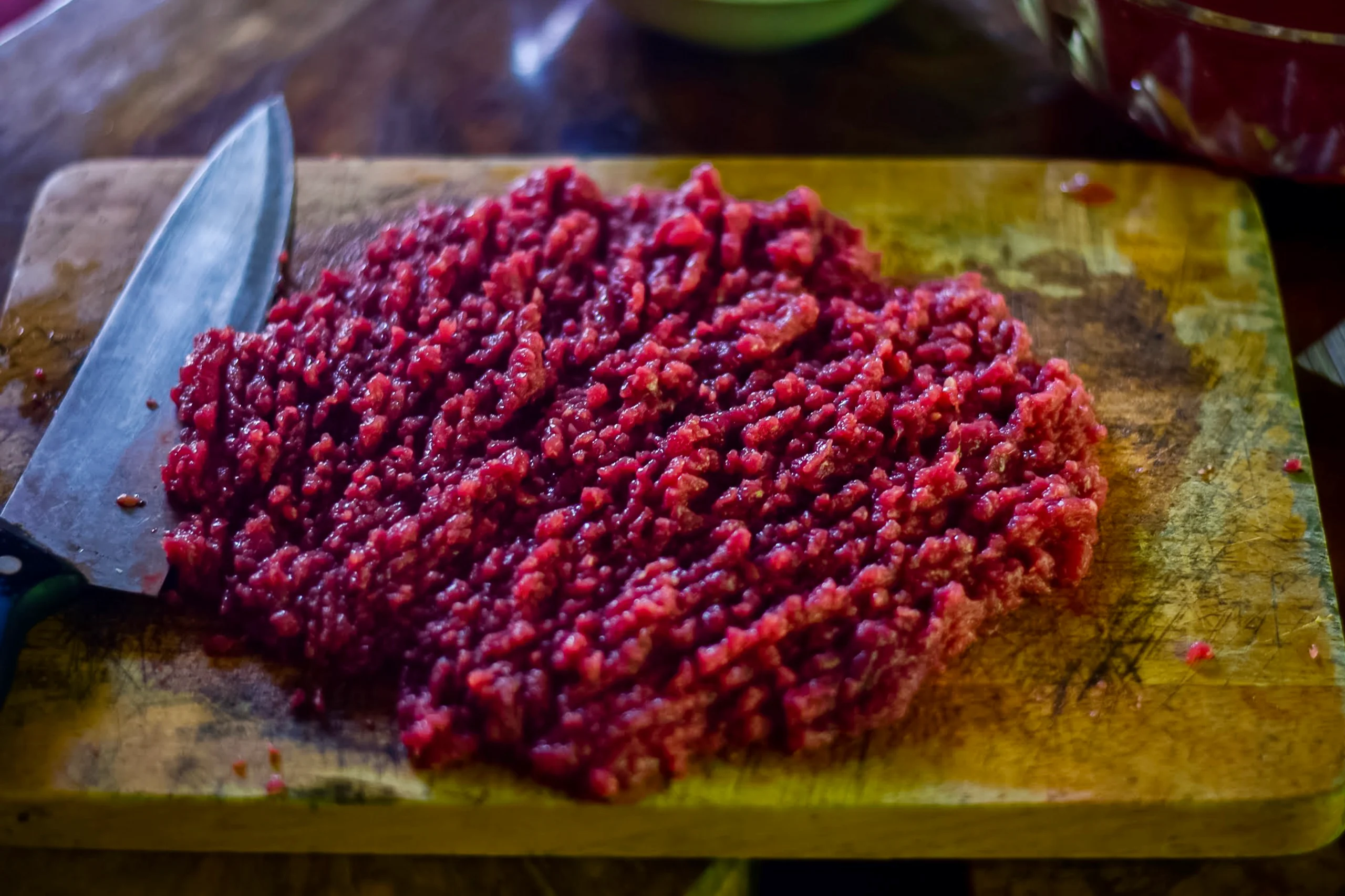
- Color: Raw ground beef is bright red on the outside due to oxygen exposure, while the inside may appear more purplish-red.
- Shape: Typically sold in bulk or formed into patties; it is malleable and can be shaped as desired.
- Size: Commonly packaged in 1 lb (454 grams) portions, but available in various sizes depending on packaging and use.
- Texture: Fine, granular, and moist, capable of being formed into shapes for cooking.
Culinary Uses
90/10 ground beef is versatile and suitable for dishes where a leaner meat is preferred:
- Common Dishes: Burgers, meatballs, meatloaf, tacos, and pasta sauces.
- Preparation Methods: Can be cooked in a pan, grilled, broiled, or baked. Ideal for recipes that call for lower fat content to achieve a healthier profile without sacrificing too much on flavor and moisture.
- Suitable Pairings: Complements bold spices and herbs, as well as vegetables like onions, garlic, and bell peppers. Works well in tomato-based sauces, as the acidity balances the meat’s richness.
Geographical Information
- Origin: Domestic cattle have been raised for their meat, milk, and hides for thousands of years, with origins tracing back to Europe, Asia, and North Africa.
- Primary Growing Regions: Beef is produced globally, with major production in countries including the United States, Brazil, the European Union, and China.
- Seasonal Availability: Available year-round, thanks to modern farming and livestock management practices that ensure a continuous supply.
90/10 ground beef offers a leaner alternative to more fatty mixes, making it a popular choice for those looking to reduce fat intake while still enjoying beef’s rich flavor and high protein content. Its versatility in cooking and compatibility with a wide range of flavors make it a staple ingredient in health-conscious kitchens.
| Proximates: | |
| Water | 69 g |
| Energy (Atwater General Factors) | 185 kcal |
| Energy (Atwater Specific Factors) | 190 kcal |
| Nitrogen | 2.9 g |
| Protein | 18.2 g |
| Total lipid (fat) | 12.8 g |
| Ash | 0.85 g |
| Carbohydrates: | |
| Carbohydrate, by difference | 0 g |
| Minerals: | |
| Calcium, Ca | 7 mg |
| Iron, Fe | 2.13 mg |
| Magnesium, Mg | 16.5 mg |
| Phosphorus, P | 148 mg |
| Potassium, K | 281 mg |
| Sodium, Na | 62 mg |
| Zinc, Zn | 4.19 mg |
| Copper, Cu | 0.056 mg |
| Manganese, Mn | <0.0125 mg |
| Lipids: | |
| Fatty acids, total saturated | 5.05 g |
| Fatty acids, total monounsaturated | 4.48 g |
| Fatty acids, total polyunsaturated | 0.361 g |
| Fatty acids, total trans | 0.484 g |
| Cholesterol | 66 mg |