
Basic Information
- Name: Cotija Cheese
- Scientific Name: Not applicable, as cotija is a type of cheese, not a species of plant or animal.
- Category: Dairy product
Varieties
Cotija cheese doesn’t have distinct “varieties” in the way fruits or vegetables might, but it can be categorized by its aging process:
- Fresh Cotija: Less aged, softer, and more moist, similar in texture to feta but still quite crumbly.
- Aged Cotija: More commonly found, it is harder and more crumbly, similar to Parmesan or aged Romano, with a stronger, saltier flavor.
Nutritional Information
Macronutrients
- Carbohydrates: Cotija cheese is very low in carbohydrates.
- Proteins: It offers a good amount of protein, contributing to muscle maintenance and growth.
- Fats: Contains saturated fats, typical of dairy products.
Micronutrients
- Vitamins: Provides some B-vitamins, particularly B12, which is crucial for neurological function and blood formation.
- Minerals: Rich in calcium, important for bone health, and contains phosphorus, zinc, and possibly sodium, given its salty taste.
Phytonutrients
Cotija cheese, like other dairy products, primarily provides nutritional value through its macronutrients (fats, proteins, carbohydrates) and micronutrients (vitamins and minerals) rather than phytonutrients. Phytonutrients are natural compounds found in plants that contribute to their color, taste, and resistance to diseases. These compounds are known for their health benefits in the human diet, including antioxidant properties, enhancing immune response, and reducing the risk of certain chronic diseases. Since cotija cheese is an animal-derived product, it does not contain phytonutrients.
Nutritional Profile of Cotija Cheese
While cotija cheese does not contain phytonutrients, it offers several important nutrients:
- Proteins: It is a good source of high-quality protein, important for muscle repair and growth.
- Fats: Contains saturated fats, which should be consumed in moderation within a balanced diet.
- Vitamins: Provides some B-vitamins, especially B12, crucial for brain health and maintaining healthy nerve cells.
- Minerals: Rich in calcium, important for bone health, as well as phosphorus and zinc. It also contains sodium, contributing to its salty flavor.
Health Considerations
- Sodium Content: Cotija cheese is known for its high sodium content, so individuals with hypertension or those monitoring their sodium intake should consume it in moderation.
- Calcium and Phosphorus: These minerals are essential for healthy bones and teeth, making cotija cheese beneficial in this aspect.
Although cotija cheese does not offer phytonutrients due to its animal origin, it is a nutritious food that can contribute valuable proteins, vitamins, and minerals to the diet. Like all high-sodium and high-fat foods, it should be enjoyed in moderation as part of a balanced and varied diet. For those looking to increase their intake of phytonutrients, focusing on incorporating a variety of fruits, vegetables, whole grains, nuts, and seeds alongside dairy products like cotija cheese can provide a comprehensive array of nutrients beneficial for overall health.
Calorie Count
Cotija cheese is calorie-dense due to its fat content.
Glycemic Index
Cheese, including cotija, has a negligible glycemic index (GI) because it contains very little to no carbohydrates.

Physical Characteristics
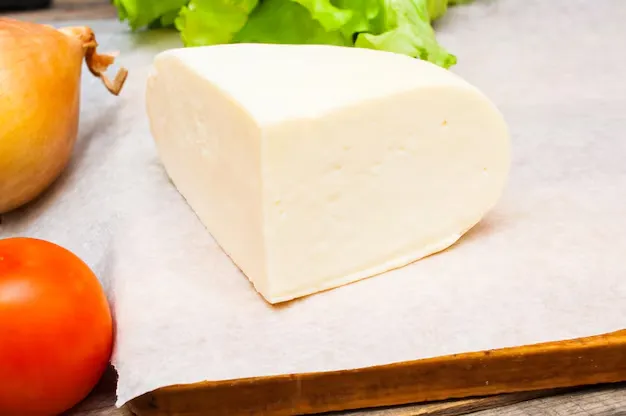
- Color: White to off-white.
- Shape: Traditionally sold in rounds or blocks.
- Available in various sizes, but typically seen in small to medium-sized rounds or blocks in stores.
- Texture: The texture can vary from slightly crumbly to very dry and granular, depending on the age of the cheese.
Culinary Uses
- Common Dishes: Cotija cheese is widely used in Mexican cuisine, sprinkled over salads, tacos, tostadas, soups, and chili, or used as a topping for beans and elote (Mexican street corn).
- Preparation Methods: Since it’s a hard, salty cheese, it is mostly used as a garnish or finishing cheese rather than a standalone dish component.
- Suitable Pairings: Complements a variety of flavors, especially those found in Mexican and Latin American dishes. It pairs well with fresh, acidic, or spicy ingredients.
Geographical Information
- Origin: Cotija cheese originates from the town of Cotija in Michoacán, Mexico.
- Primary Growing Regions: While it is a Mexican cheese, cotija is now produced in various regions that have adopted Mexican cheese-making traditions, including parts of the United States.
- Seasonal Availability: Available year-round, but traditionally, it was more of a seasonal product, made during the rainy summer months and aged throughout the year.
Cotija cheese is a staple in Mexican cuisine, known for its robust flavor and versatility. Its ability to add a savory, umami quality to dishes without overwhelming them makes it a favorite among chefs and home cooks alike.
| Proximates: | |
| Water | 40 g |
| Energy (Atwater General Factors) | 351 kcal |
| Energy (Atwater Specific Factors) | 352 kcal |
| Nitrogen | 3.74 g |
| Protein | 23.8 g |
| Total lipid (fat) | 27.2 g |
| Ash | 6.2 g |
| Carbohydrates: | |
| Carbohydrate, by difference | 2.72 g |
| Minerals: | |
| Calcium, Ca | 700 mg |
| Iron, Fe | <0.4 mg |
| Magnesium, Mg | 29.9 mg |
| Phosphorus, P | 486 mg |
| Potassium, K | 117 mg |
| Sodium, Na | 1620 mg |
| Zinc, Zn | 3.6 mg |
| Copper, Cu | <0.05 mg |
| Manganese, Mn | 0.017 mg |
| Iodine, I | 64.8 µg |
| Vitamins and Other Components: | |
| Vitamin A | |
| Retinol | 166 µg |
| Vitamin D (D2 + D3), International Units | 0 IU |
| Vitamin D (D2 + D3) | 0 µg |
| Vitamin D2 (ergocalciferol) | <0.1 µg |
| Vitamin D3 (cholecalciferol) | <0.1 µg |
| Lipids: | |
| Fatty acids, total saturated | 15.9 g |
| SFA 12:0 | 0.836 g |
| SFA 14:0 | 2.57 g |
| SFA 16:0 | 7.39 g |
| SFA 18:0 | 2.62 g |
| Fatty acids, total monounsaturated | 5.93 g |
| PUFA 18:2 | 0.714 g |
| Cholesterol | 89 mg |