
Basic Information
- Name: Oaxaca Cheese
- Scientific Name: Not applicable, as Oaxaca is a type of cheese, not a species of plant or animal.
- Category: Dairy product
Varieties
Oaxaca cheese is a semi-soft, white cheese known for its string cheese texture, similar to mozzarella. It does not have distinct varieties like some other cheeses but can vary slightly in fat content based on the milk used (whole vs. part-skim).
Nutritional Information
Macronutrients
- Carbohydrates: Very low in carbohydrates.
- Proteins: A good source of protein, providing essential amino acids.
- Fats: Contains fats, with the amount depending on whether it is made from whole or part-skim milk.
Micronutrients
- Vitamins: Contains Vitamin A and some B-vitamins, including riboflavin (B2) and Vitamin B12.
- Minerals: Good source of calcium, important for bone health, and also provides phosphorus.
phytonutrients
Oaxaca cheese, like other dairy products, is primarily a source of macronutrients (fats, proteins, carbohydrates) and micronutrients (vitamins and minerals), rather than phytonutrients. Phytonutrients are bioactive compounds found in plant foods that contribute to their health benefits, including antioxidant, anti-inflammatory, and anti-cancer properties. Since Oaxaca cheese is an animal-derived product, it does not contain phytonutrients, which are typically abundant in fruits, vegetables, grains, and other plant-based foods.
Nutritional Profile of Oaxaca Cheese
Although Oaxaca cheese lacks phytonutrients, it offers several important nutrients:
- Proteins: High-quality proteins essential for muscle repair and growth.
- Fats: Contains saturated fats, with the amount varying based on whether it’s made from whole or part-skim milk.
- Vitamins: A source of Vitamin A, which is important for vision and immune function, and some B-vitamins, including riboflavin (B2) and Vitamin B12, crucial for energy metabolism and maintaining healthy nerve cells.
- Minerals: Provides calcium, important for bone health, as well as phosphorus.
Health Considerations
While Oaxaca cheese does not provide phytonutrients, it can still be part of a balanced diet that includes a variety of plant-based foods to ensure a broad intake of these beneficial compounds. The inclusion of dairy products like Oaxaca cheese can contribute valuable proteins, vitamins, and minerals, particularly calcium. However, due to its saturated fat and sodium content, it’s advisable to consume it in moderation, especially for individuals managing their intake of these nutrients for heart health or blood pressure concerns.
Conclusion
Oaxaca cheese is a flavorful addition to many dishes, known for its excellent melting properties and stringy texture. To enjoy the health benefits associated with phytonutrients, it’s beneficial to accompany cheese consumption with a wide range of fruits, vegetables, whole grains, nuts, and seeds. This approach allows for a diverse intake of essential nutrients, promoting overall health and well-being while enjoying the rich flavors of dairy products.
Calorie Count
Oaxaca cheese is moderately high in calories, primarily due to its fat content.
Glycemic Index
Cheese, including Oaxaca, has a negligible glycemic index (GI) because it contains minimal carbohydrates.
Physical Characteristics
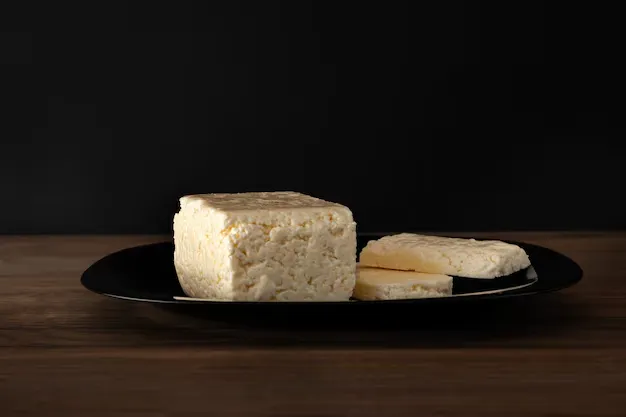
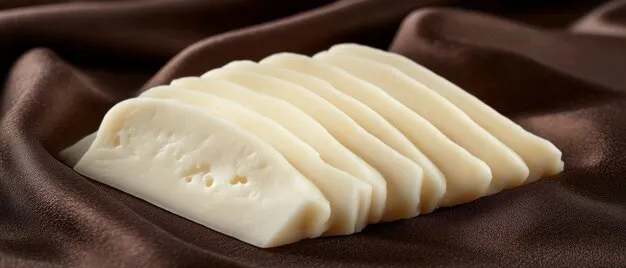
- Color: White.
- Shape: Traditionally sold in a ball or as a braided knot, but it can also be found in loaves or shredded.
- Size: The size can vary, especially when sold in balls or braids.
- Texture: Soft and stringy, similar to mozzarella, with a creamy melt.
Culinary Uses
- Common Dishes: Widely used in Mexican cuisine, including quesadillas, empanadas, and as a topping for tlayudas and enchiladas.
- Preparation Methods: Can be used fresh or melted. It’s prized for its melting qualities, making it ideal for baked or grilled dishes.
- Suitable Pairings: Pairs well with a variety of ingredients, including spicy chilies, tomatoes, and herbs like cilantro and oregano.
Geographical Information
- Origin: Oaxaca cheese originates from the state of Oaxaca in southern Mexico.
- Primary Growing Regions: While it is a traditional Mexican cheese, Oaxaca cheese is now produced in various regions outside Mexico, especially in places with a strong Mexican culinary influence.
- Seasonal Availability: Available year-round.
Oaxaca cheese is celebrated for its versatility and delicious flavor, making it a favorite in both traditional Mexican dishes and innovative culinary creations. Its stringy texture and excellent melting properties make it particularly popular for cooked dishes where a creamy, cohesive melt is desired.
| proximates: | |
| Water | 49.8 g |
| Energy (Atwater General Factors) | 297 kcal |
| Energy (Atwater Specific Factors) | 298 kcal |
| Nitrogen | 3.47 g |
| Protein | 22.1 g |
| Total lipid (fat) | 22.1 g |
| Ash | 3.55 g |
| Carbohydrates: | |
| Carbohydrate, by difference | 2.4 g |
| Minerals: | |
| Calcium, Ca | 532 mg |
| Iron, Fe | <0.4 mg |
| Magnesium, Mg | 21.6 mg |
| Phosphorus, P | 380 mg |
| Potassium, K | 81 mg |
| Sodium, Na | 734 mg |
| Zinc, Zn | 3.51 mg |
| Copper, Cu | <0.05 mg |
| Manganese, Mn | 0.021 mg |
| Iodine, I | 45.7 µg |
| Vitamins and Other Components: | |
| Vitamin A | |
| Retinol | 135 µg |
| Vitamin D (D2 + D3), International Units | 0 IU |
| Vitamin D (D2 + D3) | 0 µg |
| Vitamin D2 (ergocalciferol) | <0.1 µg |
| Vitamin D3 (cholecalciferol) | <0.1 µg |
| Lipids: | |
| Fatty acids, total saturated | 12.7 g |
| SFA 12:0 | 0.626 g |
| SFA 14:0 | 1.95 g |
| SFA 16:0 | 6.25 g |
| SFA 18:0 | 2.01 g |
| Fatty acids, total monounsaturated | 4.74 g |
| PUFA 18:2 | 0.59 g |
| Cholesterol | 66 mg |