
Basic Information
- Name (Common and Scientific): Parmesan Cheese (Parmigiano-Reggiano; no scientific name as it’s a dairy product rather than a plant or animal species).
- Category: Dairy product.
- Varieties: Parmigiano-Reggiano is a protected designation of origin (PDO) product, meaning it can only be produced in certain regions of Italy according to strict guidelines. Varieties may differ slightly based on age (e.g., 12, 24, 36 months).
Nutritional Information
Macronutrients
- Carbohydrates: Approximately 3.22 grams per 100 grams.
- Proteins: High, around 38.5 grams per 100 grams, making it a good source of protein.
- Fats: About 25.83 grams per 100 grams, with a mix of saturated and unsaturated fats.
Micronutrients
- Rich in calcium and phosphorus, important for bone health.
- Provides vitamins such as Vitamin A, B2 (riboflavin), B12, and contains traces of other vitamins.
- Contains minerals like zinc and selenium.
phytonutrients
Cheese, particularly Parmesan (Parmigiano-Reggiano), while not typically highlighted for its phytonutrient content in the way fruits and vegetables are, does contain various compounds that can be beneficial to health. The primary focus in cheese nutrition is often on its macronutrients and micronutrients like proteins, fats, vitamins, and minerals. However, it can also offer some bioactive compounds, albeit in smaller amounts compared to plant-based foods. Here’s an overview based on what’s generally found in dairy products like Parmesan cheese:
Phytonutrients in Parmesan Cheese
- Conjugated Linoleic Acid (CLA): Parmesan cheese contains CLA, a type of fatty acid that has been studied for its potential anti-carcinogenic, anti-diabetic, and anti-atherosclerotic properties. The content of CLA can vary based on the diet of the cows producing the milk.
- Sphingolipids: These compounds are present in dairy fat and have been researched for their potential role in inhibiting colon cancer and other diseases. Sphingolipids play a role in cell membrane structure and function.
- Bioactive Peptides: During the aging process of cheese, proteins are broken down into peptides that can have various health effects, such as antimicrobial, antihypertensive, immune-modulatory, and opioid-like activities. These peptides are released during digestion.
- Butyrate: Produced through the fermentation of dietary fibers in the gut, butyrate is not directly found in cheese; however, the fats in cheese can influence its production in the gut. Butyrate is beneficial for colon health and has anti-inflammatory properties.
- Vitamin K2 (Menaquinone): While not a phytonutrient but rather a fat-soluble vitamin, Vitamin K2 is worth mentioning as it is found in fermented foods, including certain types of cheese like Parmesan. Vitamin K2 is important for bone health and cardiovascular health.
Points to Consider
- The specific amounts of these compounds in Parmesan cheese can vary significantly based on factors such as the milk’s quality, the cheese’s aging process, and the specific diet of the cows.
- While these phytonutrients contribute to the health benefits of consuming Parmesan cheese, it’s important to consume it in moderation due to its high saturated fat and sodium content.
In summary, while Parmesan cheese is not typically considered a significant source of phytonutrients compared to plant-based foods, it does contain several beneficial compounds, including CLA, sphingolipids, bioactive peptides, and Vitamin K2, which contribute to its health benefits.
Calorie Count and Glycemic Index
- Calorie Count: Approximately 431 calories per 100 grams.
- Glycemic Index: Very low, as it contains minimal carbohydrates.
Physical Characteristics
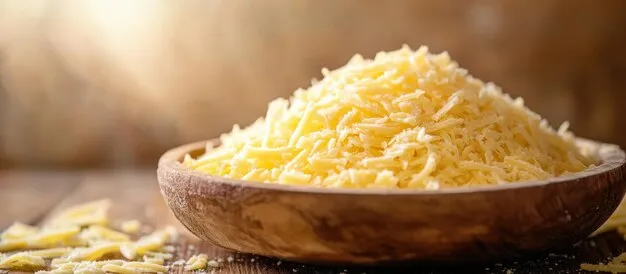
- Color: Pale yellow, varying to a deeper yellow as it ages.
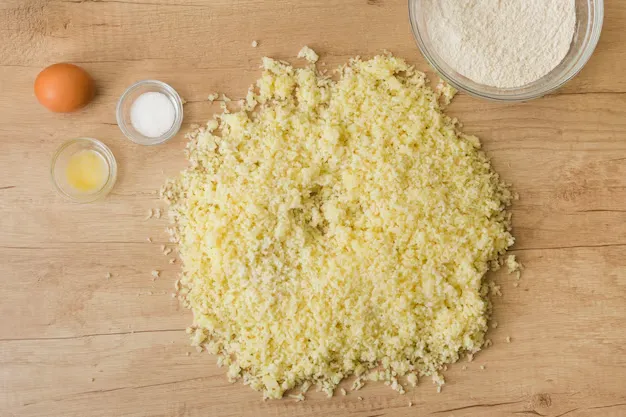
- Shape: Traditionally, Parmigiano-Reggiano comes in large wheels, but when grated, it is in small, granular clumps.
- Size: Wheels typically weigh 30-40 kilograms; grated parmesan is used in smaller quantities, often measured by the teaspoon or tablespoon.
- Texture: Hard, granular, and crumbly when aged; becomes powdery when grated.
Culinary Uses
- Common Dishes: Sprinkled over pasta, soups (like minestrone or Italian wedding soup), and salads. Used in pesto sauce, risottos, and as a topping for various baked dishes.
- Preparation Methods: Grated fresh from the wheel or purchased pre-grated. Can also be shaved into thin slices for salads or garnishes.
- Suitable Pairings: Pairs well with fruits like pears and figs, nuts like walnuts and almonds, and is often enjoyed with a drizzle of balsamic vinegar. Complements full-bodied red wines or sparkling whites.
Geographical Information
- Origin: Italy, with historical roots dating back to the Middle Ages.
- Primary Growing Regions: The provinces of Parma, Reggio Emilia, Modena, and parts of the provinces of Mantua and Bologna, within the Emilia-Romagna and Lombardy regions of Italy.
- Seasonal Availability: Available year-round, but quality and flavor can vary based on age and the season in which the milk was produced.
Parmigiano-Reggiano cheese, especially when grated, is a versatile ingredient celebrated for its rich flavor and nutritional benefits, making it a staple in Italian cuisine and a beloved addition to dishes worldwide.
| proximates: | |
| Water | 22.8 g |
| Energy (Atwater General Factors) | 420 kcal |
| Energy (Atwater Specific Factors) | 420 kcal |
| Nitrogen | 4.63 g |
| Protein | 29.6 g |
| Total lipid (fat) | 28 g |
| Total fat (NLEA) | 24 g |
| Ash | 7.15 g |
| Carbohydrates: | |
| Carbohydrate, by difference | 12.4 g |
| Sugars, Total | 0.07 g |
| Sucrose | 0 g |
| Glucose | 0 g |
| Fructose | 0 g |
| Lactose | 0 g |
| Maltose | 0 g |
| Galactose | 0.07 g |
| Minerals: | |
| Calcium, Ca | 884 mg |
| Iron, Fe | 0.45 mg |
| Magnesium, Mg | 34.9 mg |
| Phosphorus, P | 634 mg |
| Potassium, K | 184 mg |
| Sodium, Na | 1750 mg |
| Zinc, Zn | 4.33 mg |
| Copper, Cu | 0.04 mg |
| Manganese, Mn | 0.066 mg |
| Selenium, Se | 35 µg |
| Vitamins and Other Components: | |
| Thiamin | 0.027 mg |
| Riboflavin | 0.345 mg |
| Niacin | 0.078 mg |
| Pantothenic acid | 0.457 mg |
| Vitamin B-6 | 0.081 mg |
| Folate, total | 6 µg |
| Choline, total | 14.1 mg |
| Choline, free | 1.7 mg |
| Choline, from phosphocholine | 0 mg |
| Choline, from phosphatidylcholine | 4.9 mg |
| Choline, from glycerophosphocholine | 3.1 mg |
| Choline, from sphingomyelin | 4.4 mg |
| Betaine | 0.2 mg |
| Vitamin B-12 | 1.35 µg |
| Vitamin A, RAE | 228 µg |
| Retinol | 228 µg |
| Vitamin E (alpha-tocopherol) | 0.51 mg |
| Tocopherol, beta | 0 mg |
| Tocopherol, gamma | 0.01 mg |
| Tocopherol, delta | 0 mg |
| Tocotrienol, alpha | 0 mg |
| Tocotrienol, beta | 0 mg |
| Tocotrienol, gamma | 0 mg |
| Tocotrienol, delta | 0 mg |
| Vitamin K (phylloquinone) | 1.7 µg |
| Vitamin K (Dihydrophylloquinone) | 0 µg |
| Vitamin K (Menaquinone-4) | 7.1 µg |
| Lipids: | |
| Fatty acids, total saturated | 15.5 g |
| SFA 4:0 | 0.508 g |
| SFA 6:0 | 0.435 g |
| SFA 8:0 | 0.274 g |
| SFA 10:0 | 0.653 g |
| SFA 11:0 | 0 g |
| SFA 12:0 | 0.745 g |
| SFA 14:0 | 2.39 g |
| SFA 15:0 | 0.244 g |
| SFA 16:0 | 7.4 g |
| SFA 17:0 | 0.151 g |
| SFA 18:0 | 2.67 g |
| SFA 20:0 | 0.046 g |
| SFA 22:0 | 0.012 g |
| SFA 24:0 | 0.009 g |
| Fatty acids, total monounsaturated | 6.4 g |
| MUFA 14:1 c | 0.23 g |
| MUFA 15:1 | 0 g |
| MUFA 16:1 c | 0.287 g |
| MUFA 17:1 | 0.045 g |
| MUFA 17:1 c | 0.045 g |
| MUFA 18:1 c | 5.79 g |
| MUFA 20:1 | 0.05 g |
| MUFA 20:1 c | 0.05 g |
| MUFA 22:1 c | 0.001 g |
| MUFA 24:1 c | 0 g |
| Fatty acids, total polyunsaturated | 1.2 g |
| PUFA 18:2 c | 0.999 g |
| PUFA 18:2 n-6 c,c | 0.861 g |
| PUFA 18:2 CLAs | 0.138 g |
| PUFA 18:3 c | 0.103 g |
| PUFA 18:3 n-3 c,c,c (ALA) | 0.102 g |
| PUFA 18:3 n-6 c,c,c | 0.001 g |
| PUFA 18:3i | 0.003 g |
| PUFA 20:2 c | 0.006 g |
| PUFA 18:4 | 0 g |
| PUFA 20:2 n-6 c,c | 0.006 g |
| PUFA 20:3 c | 0.029 g |
| PUFA 20:3 n-3 | 0.002 g |
| PUFA 20:3 n-6 | 0.027 g |
| PUFA 20:3 n-9 | 0 g |
| PUFA 20:4 | 0.042 g |
| PUFA 20:4c | 0.042 g |
| PUFA 20:5c | 0.008 g |
| PUFA 20:5 n-3 (EPA) | 0.008 g |
| PUFA 22:2 | 0.001 g |
| PUFA 22:5 c | 0.015 g |
| PUFA 22:4 | 0.008 g |
| PUFA 22:5 n-3 (DPA) | 0.015 g |
| PUFA 22:6 c | 0 g |
| PUFA 22:6 n-3 (DHA) | 0 g |
| Fatty acids, total trans | 0.896 g |
| Fatty acids, total trans-monoenoic | 0.724 g |
| TFA 16:1 t | 0.079 g |
| TFA 18:1 t | 0.645 g |
| TFA 22:1 t | 0 g |
| Fatty acids, total trans-dienoic | 0.172 g |
| TFA 18:2 t not further defined | 0.172 g |
| Cholesterol | 87 g |