
Basic Information
- Name (Common): Whole Milk Ricotta Cheese
- Scientific: Not applicable, as this refers to a type of cheese rather than a species.
- Category: Dairy product, Cheese.
- Varieties: Ricotta cheese is primarily categorized by the type of milk used (whole milk, part-skim milk) and can also be found in variations like basket ricotta, which has a slightly different texture and moisture content due to the draining process.
Nutritional Information
Macronutrients
- Carbohydrates: Low, about 3 grams per 100 grams, mostly lactose.
- Proteins: Moderate, approximately 11 grams per 100 grams, providing a good source of whey protein.
- Fats: Moderate to high, around 13 grams per 100 grams in whole milk ricotta, consisting of saturated and unsaturated fats.
Micronutrients
- Rich in Calcium, crucial for bone health.
- Contains significant amounts of Phosphorus, Zinc, and Selenium.
- Provides Vitamins A and B vitamins, including B12, Riboflavin (B2), and Niacin (B3).
phytonutrients
Whole milk ricotta cheese, like other dairy products, is not typically analyzed for phytonutrients in the same way that plant-based foods are, because phytonutrients are specific to plants. However, dairy products, including ricotta cheese, contain various bioactive compounds and nutrients that contribute to their nutritional profile and potential health benefits. Here’s an overview of the relevant compounds and nutrients found in whole milk ricotta cheese:
Bioactive Compounds and Nutrients in Whole Milk Ricotta Cheese
- Conjugated Linoleic Acid (CLA): While primarily known for its presence in beef and dairy fat, CLA is a type of fatty acid associated with various health benefits, including potential anti-carcinogenic and anti-inflammatory properties. The content of CLA can vary depending on the diet of the cows that produce the milk.
- Butyric Acid: A short-chain fatty acid found in dairy fat, butyric acid is beneficial for gut health and has anti-inflammatory properties. It’s more concentrated in butter, but it’s also present in whole milk products like ricotta cheese.
- Bioactive Peptides: Dairy products contain bioactive peptides, which are formed during the fermentation process and digestion. These peptides can have several health benefits, including antimicrobial, antihypertensive, and immune-modulatory effects.
- Sphingolipids: Found in dairy fat, sphingolipids are compounds that have been studied for their potential role in cancer prevention and immune function.
Micronutrients
- Calcium: Essential for bone health, muscle function, and nerve signaling.
- Phosphorus, Zinc, and Selenium: Important minerals for various bodily functions, including bone health, immune response, and antioxidant defense.
- Vitamins A and B12, Riboflavin (B2), and Niacin (B3): These vitamins are crucial for maintaining vision, skin health, energy metabolism, and red blood cell formation.
Considerations
Ricotta cheese’s primary health contributions come from its macronutrients (such as proteins and fats) and essential micronutrients rather than phytonutrients. Its fresh, creamy nature makes it a less concentrated source of nutrients compared to aged cheeses but still provides a valuable addition to a balanced diet for its content of high-quality protein, vitamins, and minerals.
While the term “phytonutrients” refers to plant-based nutrients, the bioactive compounds in whole milk ricotta cheese, such as CLA, butyric acid, and bioactive peptides, contribute to its health benefits, making it a nutritious choice within a varied diet. However, because of its high saturated fat content, it’s advisable to consume ricotta cheese in moderation, especially for individuals managing their intake of saturated fats.
Calorie Count and Glycemic Index
- Calorie Count: Approximately 174 calories per 100 grams.
- Glycemic Index: Very low, due to its minimal carbohydrate content.
Physical Characteristics
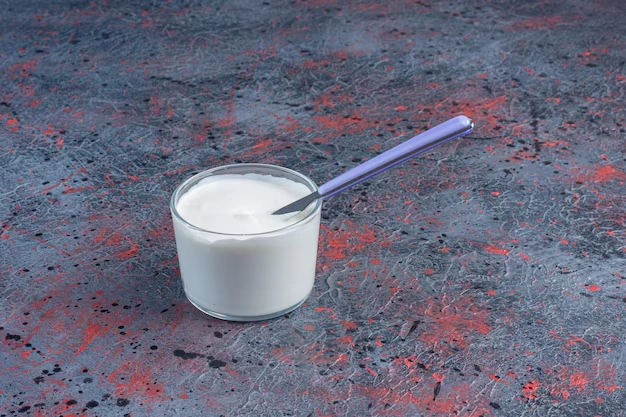
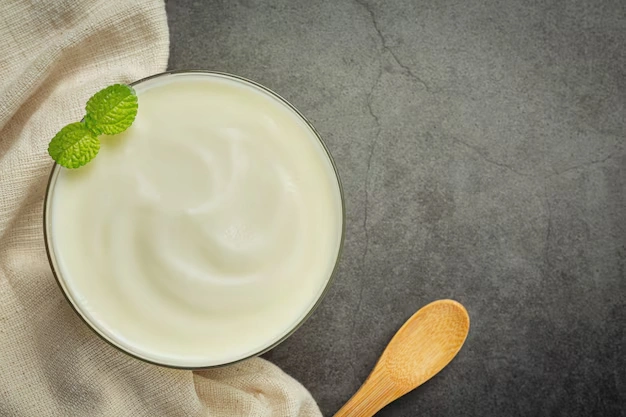
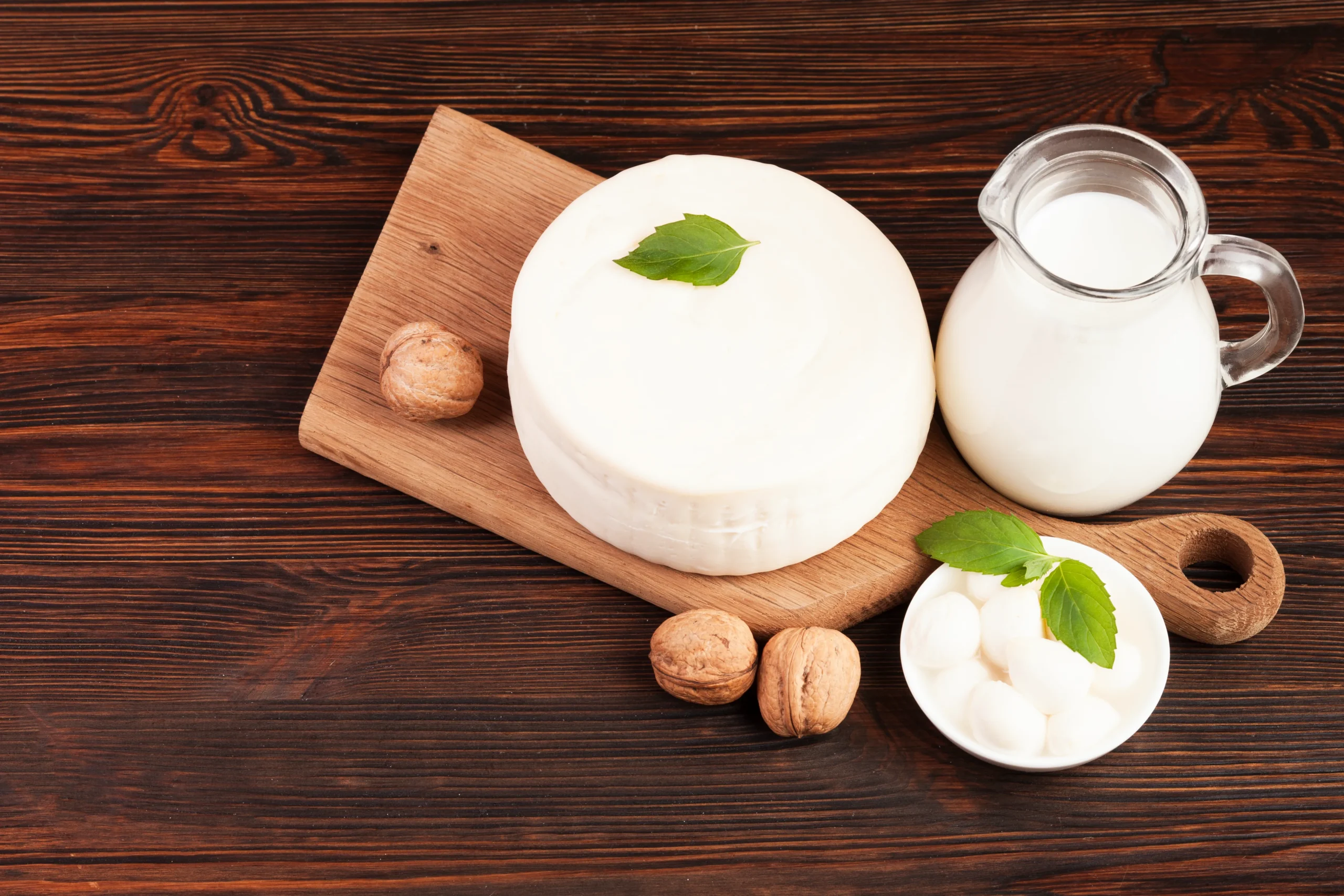
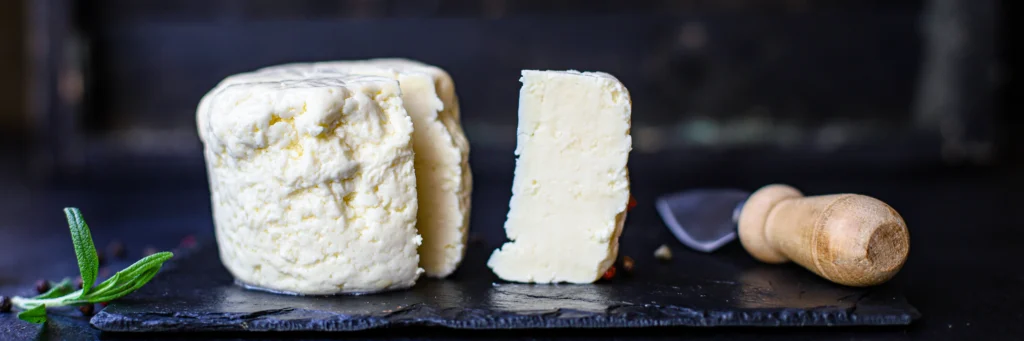
- Color: White to off-white.
- Shape: Usually comes in a soft, slightly granular mass, not shaped into firm blocks or wheels like other cheeses.
- Size: Sold in containers by weight, common sizes include 15 oz (425 g) and 32 oz (907 g) tubs.
- Texture: Soft, moist, and creamy with a fine, grainy consistency.
Culinary Uses
- Common Dishes: Ricotta is versatile in both sweet and savory dishes, including lasagna, stuffed pasta fillings like ravioli and cannoli, cheesecakes, pancakes, and as a spread on toast.
- Preparation Methods: Used fresh and can be lightly seasoned or sweetened depending on the dish. It can be blended for a smoother consistency or mixed with herbs, spices, or sugar.
- Suitable Pairings: Pairs well with fresh herbs, spinach, pasta, tomatoes, berries, honey, and nuts.
Geographical Information
- Origin: Italy, with a history dating back centuries as a way to utilize whey left over from the cheese-making process.
- Primary Growing Regions: While originally Italian, ricotta is now produced in many countries worldwide, wherever Italian cuisine has made an impact.
- Seasonal Availability: Available year-round, with consistent production that does not depend on seasonal variations.
Whole milk ricotta cheese is celebrated for its delicate flavor and versatility in the kitchen, serving as a staple ingredient in both traditional Italian recipes and modern culinary creations. Its nutritional profile makes it a valuable addition to a balanced diet, offering proteins, essential vitamins, and minerals.
| Proximates: | |
|---|---|
| Water | 72.9 g |
| Energy (Atwater General Factors) | 158 kcal |
| Energy (Atwater Specific Factors) | 157 kcal |
| Nitrogen | 1.22 g |
| Protein | 7.81 g |
| Total lipid (fat) | 11 g |
| Total fat (NLEA) | 10.3 g |
| Ash | 1.36 g |
| Carbohydrates: | |
| Carbohydrate, by difference | 6.86 g |
| Minerals: | |
| Calcium, Ca | 224 mg |
| Iron, Fe | 0.1 mg |
| Magnesium, Mg | 19.7 mg |
| Phosphorus, P | 162 mg |
| Potassium, K | 230 mg |
| Sodium, Na | 105 mg |
| Zinc, Zn | 0.56 mg |
| Copper, Cu | 0 mg |
| Manganese, Mn | 0 mg |
| Selenium, Se | 5.5 µg |
| Vitamins and Other Components: | |
| Thiamin | 0.043 mg |
| Riboflavin | 0.327 mg |
| Niacin | 0.168 mg |
| Pantothenic acid | 0.673 mg |
| Vitamin B-6 | 0.099 mg |
| Folate, total | 4 µg |
| Vitamin B-12 | 0.78 µg |
| Vitamin A, RAE | 127 µg |
| Retinol | 127 µg |
| Vitamin E (alpha-tocopherol) | 0.27 mg |
| Tocopherol, beta | 0 mg |
| Tocopherol, gamma | 0 mg |
| Tocopherol, delta | 0 mg |
| Tocotrienol, alpha | 0 mg |
| Tocotrienol, beta | 0 mg |
| Tocotrienol, gamma | 0 mg |
| Tocotrienol, delta | 0 mg |
| Vitamin K (phylloquinone) | 0.6 µg |
| Vitamin K (Dihydrophylloquinone) | 0 µg |
| Vitamin K (Menaquinone-4) | 3.1 µg |
| Lipids: | |
| Fatty acids, total saturated | 6.97 g g |
| SFA 4:0 | 0.251 g |
| SFA 6:0 | 0.199 g |
| SFA 8:0 | 0.125 g |
| SFA 10:0 | 0.306 g |
| SFA 11:0 | 0 g |
| SFA 12:0 | 0.36 g |
| SFA 14:0 | 1.15 g |
| SFA 15:0 | 0.116 g |
| SFA 16:0 | 3.36 g |
| SFA 17:0 | 0.067 g |
| SFA 18:0 | 1.02 g |
| SFA 20:0 | 0.014 g |
| SFA 22:0 | 0.006 g |
| SFA 24:0 | 0.004 g |
| Fatty acids, total monounsaturated | 2.56 g |
| MUFA 14:1 c | 0.117 g |
| MUFA 15:1 | 0 g |
| MUFA 16:1 c | 0.184 g |
| MUFA 17:1 | 0.021 g |
| MUFA 17:1 c | 0.021 g |
| MUFA 18:1 c | 2.22 g |
| MUFA 20:1 c | 0.02 g |
| MUFA 22:1 c | 0.002 g |
| MUFA 22:1 n-9 | 0.002 g |
| MUFA 24:1 c | 0 g |
| Fatty acids, total polyunsaturated | 0.389 g |
| PUFA 18:2 c | 0.308 g |
| PUFA 18:2 n-6 c,c | 0.259 g |
| PUFA 18:2 CLAs | 0.049 g |
| PUFA 18:3 c | 0.042 g |
| PUFA 18:3 n-3 c,c,c (ALA) | 0.042 g |
| PUFA 18:3 n-6 c,c,c | 0 g |
| PUFA 18:4 | 0.001 g |
| PUFA 20:2 c | 0.001 g |
| PUFA 20:2 n-6 c,c | 0.001 g |
| PUFA 20:3 c | 0.012 g |
| PUFA 20:3 n-3 | 0 g |
| PUFA 20:3 n-6 | 0.012 g |
| PUFA 20:3 n-9 | 0 g |
| PUFA 20:4 | 0.015 g |
| PUFA 20:4c | 0.015 g |
| PUFA 20:5c | 0.005 g |
| PUFA 20:5 n-3 (EPA) | 0.005 g |
| PUFA 22:2 | 0 g |
| PUFA 22:5 c | 0.007 g |
| PUFA 22:4 | 0.003 g |
| PUFA 22:5 n-3 (DPA) | 0.007 g |
| PUFA 22:6 c | 0 g |
| PUFA 22:6 n-3 (DHA) | 0 g |
| Fatty acids, total trans | 0.351 g |
| Fatty acids, total trans-monoenoic | 0.283 g |
| TFA 16:1 t | 0.032 g |
| TFA 18:1 t | 0.251 g |
| TFA 22:1 t | 0 g |
| Fatty acids, total trans-dienoic | 0.068 g |
| TFA 18:2 t not further defined | 0.068 g |
| Fatty acids, total trans-polyenoic | 0.001 g |
| TFA 18:3 t | 0.001 g |
| Cholesterol | 48 mg |
| Amino acids: | |
| Tryptophan | 0.115 g |
| Threonine | 0.395 g |
| Isoleucine | 0.365 g |
| Leucine | 0.785 g |
| Lysine | 0.655 g |
| Methionine | 0.17 g |
| Phenylalanine | 0.27 g |
| Tyrosine | 0.25 g |
| Valine | 0.325 g |
| Arginine | 0.21 g |
| Histidine | 0.175 g |
| Alanine | 0.325 g |
| Aspartic acid | 0.735 g g |
| Glutamic acid | 1.3 g |
| Glycine | 0.135 g |
| Proline | 0.565 g |
| Serine | 0.365 g |
| Hydroxyproline | 0 g |
| Cysteine | 0.18 g |