


Basic Information
Name: Cream Cheese (Full Fat, Block)
Scientific: Not applicable as cream cheese is a processed food product, but it is made from cow’s milk (Bos taurus).
Category: Dairy Product
Varieties: While this entry focuses on full-fat block cream cheese, it’s available in several varieties including whipped, flavored (such as herb or fruit-infused), and reduced-fat or non-fat options.
Nutritional Information
For a typical serving size of 1 ounce (28 grams) of full-fat block cream cheese:
Macronutrients
- Carbohydrates: About 4.56 gram; cream cheese contains a small amount of carbohydrates.
- Proteins: Approximately 5.79 grams; it offers some protein content.
- Fats: Around 33.5 grams; the majority of its calories come from fat, including saturated fats.
Micronutrients
Provides a source of Vitamin A and small amounts of calcium. Other vitamins and minerals are present in trace amounts.
Phytonutrients
Cream cheese, particularly the full-fat block variety, is a dairy product that does not contain phytonutrients in significant amounts. Phytonutrients, also known as phytochemicals, are compounds produced by plants that have various health benefits, including antioxidant, anti-inflammatory, and anti-carcinogenic properties. Since cream cheese is an animal-derived product, its nutritional benefits and components differ significantly from those found in plant-based foods.
Nutritional Components of Cream Cheese
While cream cheese lacks phytonutrients, it does offer some nutritional value through its macronutrient content and certain micronutrients:
Macronutrients: Cream cheese is high in fats, particularly saturated fats, and provides a small amount of protein. The carbohydrate content is very low, primarily coming from lactose.
Micronutrients: It contains vitamin A, which is important for vision, immune function, and skin health. There are also trace amounts of calcium, which is essential for bone health, and phosphorus, which plays a role in bone and teeth health, as well as in energy metabolism.
Health Considerations
Due to its high saturated fat content, cream cheese should be consumed in moderation as part of a balanced diet. While it does not offer the diverse range of health benefits associated with phytonutrients from plant-based foods, it can still be a source of certain essential nutrients.
Dietary Integration
To incorporate cream cheese into a diet while maximizing nutritional benefits, it can be paired with foods that are rich in phytonutrients. For example:
Vegetables: Adding vegetables to a cream cheese spread can enhance the intake of dietary fiber, vitamins, and minerals.
Fruits: Combining cream cheese with fruits, either in desserts or as a spread, can increase the consumption of vitamins, minerals, and antioxidants.
While cream cheese does not contain phytonutrients, it provides a unique texture and flavor that enhances various culinary creations. When enjoying cream cheese, consider balancing your diet with a variety of fruits, vegetables, whole grains, and lean proteins to ensure a comprehensive intake of essential nutrients, including those phytonutrients found in plant-based foods.
Calorie Count and Glycemic Index
- Calorie Count: About 99 calories per 1-ounce serving.
- Glycemic Index: Very low; cream cheese has minimal impact on blood sugar levels due to its low carbohydrate content.
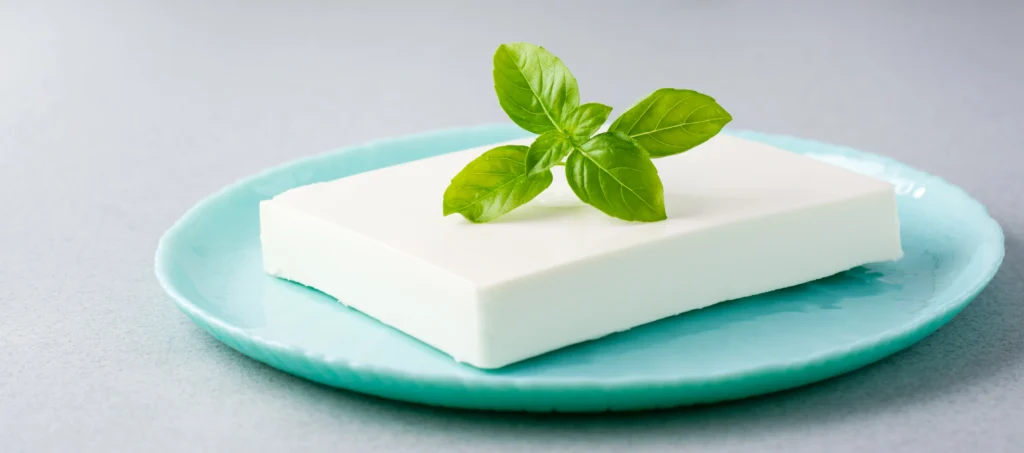
Physical Characteristics
Color: White to off-white.
Shape: Sold in rectangular blocks.
Size: Commonly available in 8-ounce (about 227 grams) packages, but sizes can vary.
Texture: Smooth and creamy with a spreadable consistency.
Culinary Uses
Common Dishes: Widely used as a spread on bagels and bread, in cheesecakes, frostings, dips, and as a base for sauces. It’s also a key ingredient in many appetizers, pasta dishes, and desserts.
Preparation Methods: Can be used straight from the package as a spread or mixed into recipes. It’s often softened to room temperature to blend easily with other ingredients.
Suitable Pairings: Pairs well with sweet ingredients like fruits and honey, as well as savory flavors from herbs and spices. Cream cheese is versatile and can complement a wide range of dishes.
Geographical Information
Origin: Cream cheese was developed in the United States in the 19th century, inspired by French Neufchâtel cheese but aiming for a richer product.
Primary Growing Regions: As a dairy product, its production is widespread in countries with significant dairy industries, including the United States, Europe, and Australia.
Seasonal Availability: Available year-round, with consistent quality and supply.
Cream cheese is valued for its versatility in the kitchen, serving both culinary and baking needs with its creamy texture and mild flavor. The full-fat block variety is especially preferred for recipes requiring a firmer consistency. Despite its nutritional content being rich in fats, it contributes to a balanced diet when consumed in moderation, offering a blend of taste and texture that enhances a variety of dishes.
| Proximates: | |
| Water | 54.7 g |
| Energy (Atwater General Factors) | 343 kcal |
| Energy (Atwater Specific Factors) | 337 kcal |
| Nitrogen | 0.91 g |
| Protein | 5.79 g |
| Total lipid (fat) | 33.5 g |
| Ash | 1.44 g |
| Carbohydrates: | |
| Carbohydrate, by difference | 4.56 g |
| Minerals: | |
| Calcium, Ca | 97 mg |
| Iron, Fe | <0.4 mg |
| Magnesium, Mg | 8.9 mg |
| Phosphorus, P | 108 mg |
| Potassium, K | 125 mg |
| Sodium, Na | 368 mg |
| Zinc, Zn | 0.59 mg |
| Copper, Cu | <0.04 mg |
| Manganese, Mn | <0.08 mg |
| Iodine, I | 34.9 µg |
| Vitamins and Other Components: | |
| Thiamin | 0.038 mg |
| Niacin | 0.092 mg |
| Vitamin B-6 | 0.039 mg |
| Biotin | 1.74 µg |
| Vitamin B-12 | <0.44 µg |
| Retinol | 274 µg |
| Lipids: | |
| Fatty acids, total saturated | 19.7 g |
| SFA 12:0 | 1.02 g |
| SFA 14:0 | 3.23 g |
| SFA 16:0 | 9.21 g |
| SFA 18:0 | 3.01 g |
| Fatty acids, total monounsaturated | 6.92 g |
| PUFA 18:2 n-6 c,c | 0.708 g |
| Cholesterol | 101 mg |