
Basic Information
Name: Sour Cream (Full Fat)
Scientific: Not applicable as sour cream is a processed food product, but it is made from the milk of cows (Bos taurus).
Category: Dairy Product
Varieties: While this entry focuses on full-fat sour cream, it’s available in several varieties, including reduced-fat, light, and non-fat versions. There are also flavored versions, though less common.
Nutritional Information
For a typical serving size of 1 tablespoon (about 12 grams) of full-fat sour cream:
Macronutrients
- Carbohydrates: About 0.6 grams; sour cream contains minimal carbohydrates.
- Proteins: Approximately 3.07 grams; it has a low protein content.
- Fats: Around 18 grams; the majority of its calories come from fat, particularly saturated fat.
Micronutrients
Provides a source of calcium and small amounts of vitamin A. Other vitamins and minerals are present in trace amounts.
Phytonutrients
Sour cream, particularly the full-fat variety, is a dairy product and does not contain phytonutrients. Phytonutrients are natural compounds found in plant foods that provide health benefits beyond those that essential nutrients offer. These compounds include flavonoids, carotenoids, and phytosterols, among others, and are known for their roles in preventing diseases and promoting health. Since sour cream is derived from cow’s milk and is a processed product, its nutritional benefits are primarily based on its content of macronutrients and certain micronutrients, rather than phytonutrients.
Nutritional Profile of Sour Cream
While lacking in phytonutrients, sour cream does offer nutritional value through:
Macronutrients: Primarily fats, including saturated fats, with minimal amounts of carbohydrates and proteins.
Micronutrients: Contains vitamins and minerals such as calcium and vitamin A, although in small amounts. These nutrients are important for bone health, vision, and immune function.
Health Considerations
Due to its high saturated fat content, sour cream should be consumed in moderation within a balanced diet. It can be included in various culinary applications to add texture, flavor, and richness to dishes. For those looking to increase their intake of phytonutrients, focusing on a diet rich in fruits, vegetables, whole grains, nuts, and seeds is recommended, as these are the primary sources of phytonutrients.
Sour cream enriches dishes with its creamy texture and tangy flavor but does not contribute phytonutrients to the diet. Its nutritional value lies in its macronutrient content and certain micronutrients. To ensure a diet rich in phytonutrients, include a wide variety of plant-based foods alongside moderate consumption of dairy products like sour cream.
Calorie Count and Glycemic Index
- Calorie Count: About 23 calories per tablespoon.
- Glycemic Index: Very low; sour cream has minimal impact on blood sugar levels due to its low carbohydrate content.
Physical Characteristics
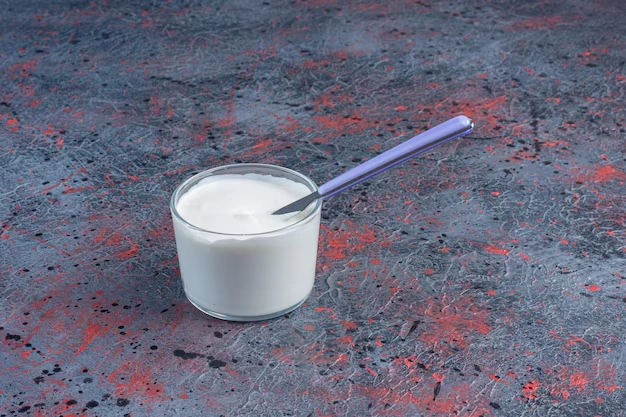
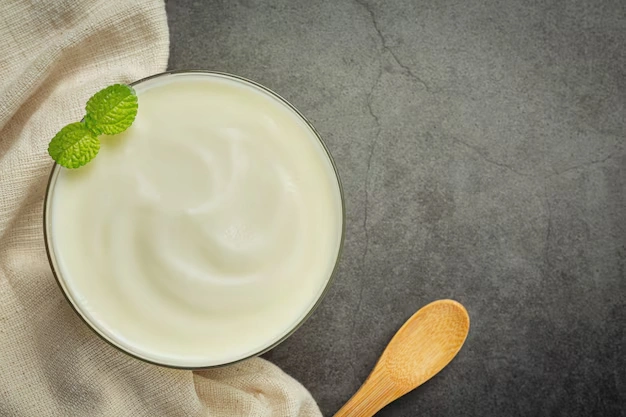
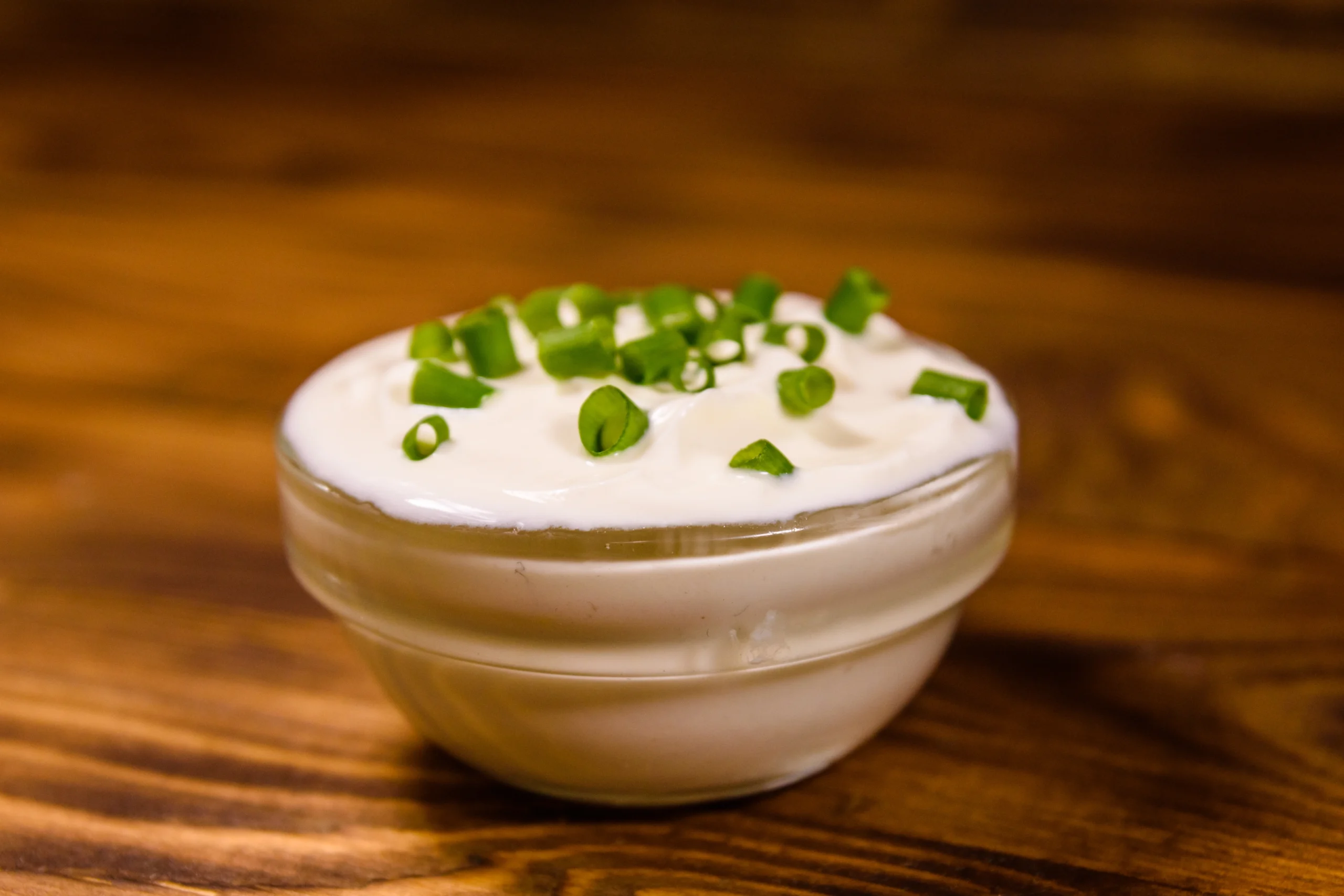
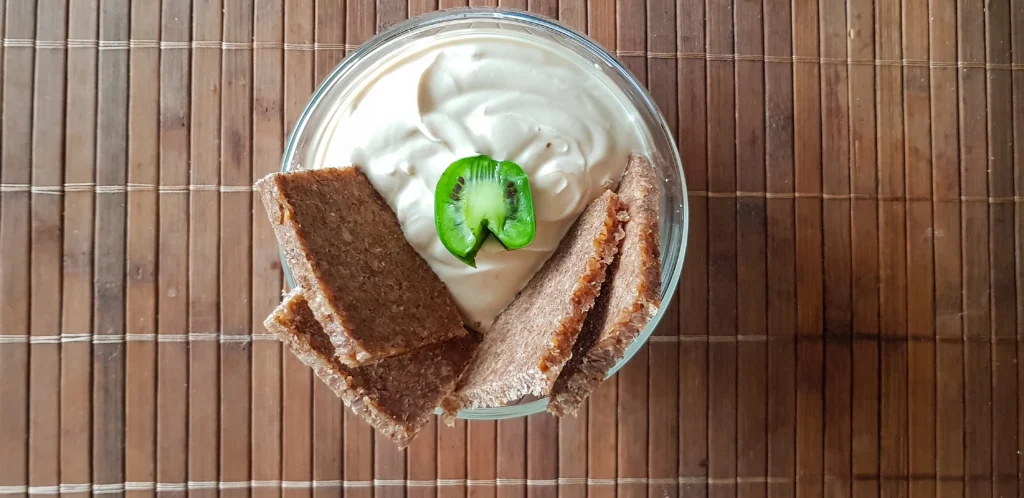
Color: White to off-white.
Shape: Does not hold a shape; conforms to its container.
Size: Sold in various container sizes, typically ranging from small cups to larger tubs.
Texture: Thick and creamy with a smooth consistency.
Culinary Uses
Common Dishes: Used as a topping for baked potatoes, tacos, and soups; an ingredient in dips, dressings, and sauces; and in baking to add moisture and a slight tanginess to cakes and pastries.
Preparation Methods: Typically used as is, straight from the container. Can be mixed with herbs, spices, or other ingredients to create flavored dips and spreads.
Suitable Pairings: Pairs well with both savory and sweet dishes. Enhances the flavor of baked goods, complements spicy foods, and balances out the richness of creamy soups and stews.
Geographical Information
Origin: Sour cream has its origins in Eastern Europe and has been a traditional food in Russian, German, and Hungarian cuisines for centuries.
Primary Growing Regions: Produced in regions with developed dairy industries, including the United States, Europe (particularly Eastern Europe), and Canada.
Seasonal Availability: Available year-round, with consistent quality due to controlled dairy production processes.
Sour cream adds a distinctive tangy flavor and creamy texture to a wide range of dishes. The full-fat version is especially prized for its rich mouthfeel, making it a favorite ingredient in both cooking and baking. Given its nutritional content, particularly in terms of saturated fats, it’s best enjoyed in moderation within a balanced diet.
| Proximates: | |
| Water | 72.6 g |
| Energy (Atwater General Factors) | 196 kcal |
| Energy (Atwater Specific Factors) | 193 kcal |
| Nitrogen | 0.48 g |
| Protein | 3.07 g |
| Total lipid (fat) | 18 g |
| Ash | 0.8 g |
| Carbohydrates: | |
| Carbohydrate, by difference | 5.56 g |
| Minerals: | |
| Calcium, Ca | 107 mg |
| Iron, Fe | <0.04 mg |
| Magnesium, Mg | 10.1 mg |
| Phosphorus, P | 102 mg |
| Potassium, K | 154 mg |
| Sodium, Na | 50 mg |
| Zinc, Zn | 0.39 mg |
| Copper, Cu | <0.04 mg |
| Manganese, Mn | <0.08 mg |
| Iodine, I | 32.8 µg |
| Vitamins and Other Components: | |
| Thiamin | 0.043 mg |
| Niacin | 0.1 mg |
| Vitamin B-6 | 0.038 mg |
| Biotin | 1.91 µg |
| Vitamin B-12 | 0.06 µg |
| Retinol | 152 µg |
| Lipids: | |
| Fatty acids, total saturated | 10.7 g |
| SFA 12:0 | 0.547 g |
| SFA 14:0 | 1.75 g |
| SFA 16:0 | 5.04 g |
| SFA 18:0 | 1.6 g |
| Fatty acids, total monounsaturated | 3.8 g |
| PUFA 18:2 n-6 c,c | 0.385 g |
| Cholesterol | 53 mg |