

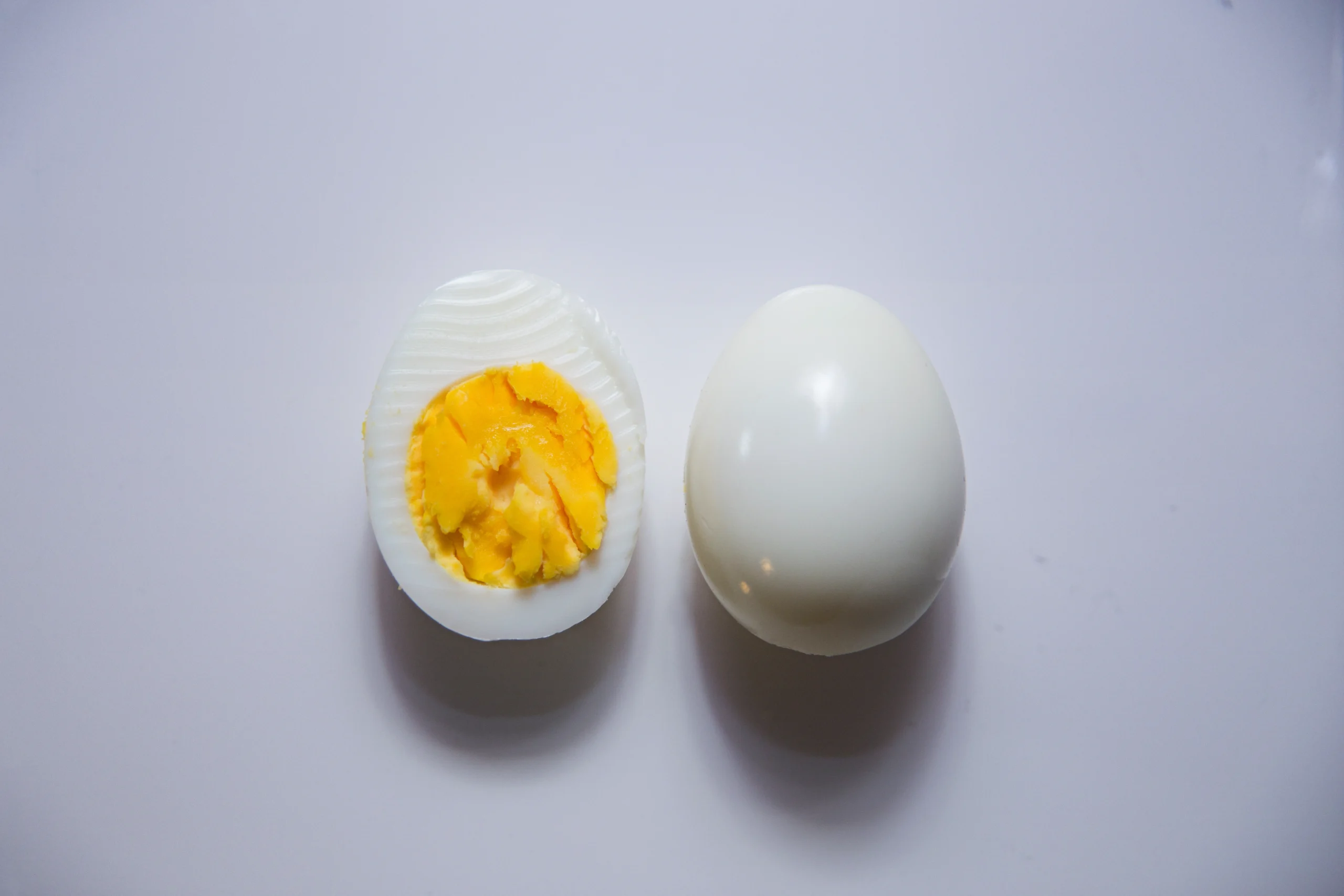
Dried whole eggs are a versatile and shelf-stable form of eggs that have been dehydrated. Here’s a comprehensive overview based on the specified categories.
Basic Information
Name: Dried Whole Eggs
Scientific: Derived from Gallus gallus domesticus (domestic chicken)
Category: Animal Product
Varieties: Standard dried whole eggs are the most common, but they can also come in free-range, organic, or with added omega-3s, depending on the source of the eggs prior to drying.
Nutritional Information
For approximately 100 grams of dried whole eggs:
Macronutrients
Carbohydrates: About 1.87 grams, mostly from natural sugars in the egg.
Proteins: High; around 48.1 grams, providing a complete amino acid profile.
Fats: Approximately 39.8 grams; includes both saturated and unsaturated fats.
Micronutrients
Vitamins: Rich in vitamins B12 and D, riboflavin (B2), and biotin. Also contains vitamin A and E.
Minerals: Good source of selenium, phosphorus, and iron.
Phytonutrients
Dried whole eggs, like their fresh counterparts, are an animal-derived product and therefore do not contain phytonutrients, which are bioactive compounds found in plants. The concept of phytonutrients generally applies to fruits, vegetables, grains, nuts, and seeds, which are rich in these compounds known for their health-promoting properties, such as antioxidants, anti-inflammatory agents, and others that contribute to the prevention of various diseases.
Nutritional Profile of Dried Whole Eggs
While they do not contain phytonutrients, dried whole eggs offer a comprehensive nutritional profile:
Proteins: Dried whole eggs are a rich source of high-quality, complete protein, containing all nine essential amino acids in significant amounts, which are crucial for muscle repair, growth, and general health.
Fats: They contain both saturated and unsaturated fats, including essential fatty acids that play a role in brain function, skin health, and inflammation regulation.
Vitamins and Minerals: Dried whole eggs are packed with various vitamins and minerals, including Vitamin A (important for vision and immune function), Vitamin D (essential for bone health and immune function), B vitamins (crucial for energy metabolism), Vitamin E (a powerful antioxidant), selenium (with antioxidant properties), and iron (necessary for blood production).

Health Considerations
Despite lacking phytonutrients, dried whole eggs contribute valuable nutrients to the diet, supporting overall health. They are particularly beneficial for individuals looking for portable, non-perishable sources of high-quality protein and other nutrients. However, due to their cholesterol content, individuals with certain health conditions should consume them in moderation and consult with healthcare providers regarding their diet.
Dried whole eggs are a versatile and nutrient-dense food product, ideal for adding protein and other essential nutrients to the diet, especially in situations where fresh eggs are not practical. While they do not offer the phytonutrients found in plant-based foods, incorporating a variety of fruits, vegetables, whole grains, and nuts into the diet alongside animal products like dried whole eggs can ensure a balanced intake of all necessary nutrients for optimal health.
Calorie Count and Glycemic Index
Calorie Count: About 615 calories per 100 grams.
Glycemic Index: Very low; dried whole eggs have minimal impact on blood sugar levels.
Physical Characteristics
Color: Pale yellow to yellowish-white powder.
Shape: Powder form; no distinct shape.
Size: Particle size can vary slightly but generally fine powder.
Texture: Fine, powdery texture that reconstitutes into a liquid form similar to fresh beaten eggs when mixed with water.
Culinary Uses
Common Dishes: Used as a substitute for fresh eggs in baking, making omelets, scrambled eggs, and anywhere whole eggs are required. Ideal for use in prepared mixes for cakes, cookies, and other baked goods.
Preparation Methods: Must be mixed with water to rehydrate before use. The ratio for reconstitution typically mimics the volume and consistency of fresh eggs.
Suitable Pairings: Works well in recipes that require the binding and leavening properties of eggs. Pairs well with virtually all ingredients in both sweet and savory dishes.
Geographical Information
Origin: The use of eggs in cooking and food preparation is ancient and widespread, with dried egg products becoming popular for their convenience and shelf stability.
Primary Growing Regions: Produced in countries with significant egg production, including the United States, China, India, and countries throughout the European Union.
Seasonal Availability: Available year-round, offering a consistent and long-lasting egg option.
Dried whole eggs provide a practical and long-lasting alternative to fresh eggs, retaining most of the nutritional benefits and versatility in cooking and baking. They are particularly useful in situations where storage space or shelf life is a concern, such as in food service industries, emergency food supplies, or for camping and hiking.
| Proximates: | |
|---|---|
| Water | 4.07 g |
| Energy (Atwater General Factors) | 558 kcal |
| Energy (Atwater Specific Factors) | 576 kcal |
| Nitrogen | 7.69 g |
| Protein | 48.1 g |
| Total lipid (fat) | 39.8 g |
| Ash | 6.2 g |
| Carbohydrates: | |
| Carbohydrate, by difference | 1.87 g |
| Minerals: | |
| Calcium, Ca | 220 mg |
| Iron, Fe | 6.97 mg |
| Magnesium, Mg | 44.6 mg |
| Phosphorus, P | 770 mg |
| Potassium, K | 468 mg |
| Sodium, Na | 485 mg |
| Zinc, Zn | 5.02 mg |
| Iodine, I | 274 µg |
| Vitamins and Other Components: | |
| Vitamin D (D2 + D3), International Units | 388 IU |
| Vitamin D (D2 + D3) | 9.7 µg |
| Vitamin D3 (cholecalciferol) | 9.7 µg |
| 25-hydroxycholecalciferol | 1.7 µg |
| Lipids: | |
| Cholesterol | 1700 mg |