
Pastry flour, particularly when unenriched and unbleached, is a favored choice for many bakers due to its fine texture and lower protein content, which makes it ideal for producing tender and flaky pastries. This type of flour is specifically designed for pastry and baking applications, offering a distinct set of characteristics suited for delicate baked goods. Here’s a detailed overview of unenriched, unbleached pastry flour:
Basic Information
- Common Name: Pastry Flour
- Scientific Name: Derived from Triticum spp., primarily Triticum aestivum for common wheat.
- Category: Cereal grain product
- Varieties: The main distinction in pastry flour lies between bleached and unbleached, with this focus being on the unbleached variety. Unenriched means that it hasn’t had nutrients added back in that are often lost during the milling process.
Nutritional Information
- Macronutrients:
- Carbohydrates: Approximately 77.2 grams per 100 grams, predominantly in the form of starch.
- Proteins: Lower in protein than all-purpose or bread flour, about 8.75 grams per 100 grams, which contributes to its ability to produce tender baked goods.
- Fats: Minimal fat content, typically less than 1.64 grams per 100 grams.
- Micronutrients: Being unenriched, it does not have added vitamins or minerals that are often found in enriched flours. However, it naturally contains small amounts of B vitamins, iron, and magnesium.
Phytonutrients
Pastry flour, especially when unenriched and unbleached, maintains a closer profile to its original wheat form compared to more heavily processed flours. However, it’s important to note that the focus on phytonutrients in flour products is less pronounced than in whole foods like fruits and vegetables. Despite this, whole grains, from which pastry flour is derived, do contain various phytonutrients that can contribute to health. The phytonutrient content in pastry flour will be lower than in whole wheat flour due to the refinement process, but here are some compounds typically found in whole grains:
Phytonutrients in Pastry Flour
- Lignans: Plant compounds that have antioxidant and estrogenic properties, potentially reducing the risk of certain cancers and improving heart health. Whole wheat contains lignans, although the amount in pastry flour may be reduced due to processing.
- Phenolic Acids: Including ferulic acid, which has strong antioxidant properties. These compounds can help protect cells from oxidative damage and may contribute to reduced inflammation and lower risk of chronic diseases.
- Alkylresorcinols: Found in the outer layers of wheat, they have antioxidant properties and are thought to play a role in the prevention of chronic diseases, although their concentration in pastry flour would be lower due to the milling process.
- Phytosterols: Plant sterols that can help lower LDL cholesterol levels by blocking its absorption in the digestive tract. While present in whole wheat, the levels in pastry flour would be modest.
- Carotenoids: Such as lutein and zeaxanthin, are present in wheat and may contribute to eye health. Their presence in pastry flour is minimal but noteworthy for their antioxidant capacity.
Nutritional Context and Considerations
- Processing Impact: The process of refining wheat into pastry flour involves removing the bran and germ, where a significant portion of the phytonutrients are concentrated. This means that unenriched, unbleached pastry flour will have lower levels of these beneficial compounds compared to whole grain flours.
- Enrichment and Bleaching: Since the flour in question is unenriched and unbleached, it does not undergo the process of adding back nutrients (common in enriched flours) or chemical whitening. This preserves more of its natural nutrients compared to bleached varieties, though it still lacks the full spectrum found in the whole grain.
- Dietary Inclusion: Incorporating a variety of whole grains into your diet is recommended to maximize the intake of phytonutrients. While pastry flour can be part of a balanced diet, relying on whole or minimally processed grains as your primary sources of nutrients is beneficial for obtaining a broad range of phytonutrients.
In summary, while pastry flour, particularly unenriched and unbleached, does contain phytonutrients, the levels are generally lower than in whole or less processed grain products. For those looking to maximize their intake of these beneficial compounds, including a variety of whole grains in the diet alongside refined products like pastry flour is advisable.

Calorie Count and Glycemic Index
- Calorie Count: About 367 calories per 100 grams.
- Glycemic Index: Medium to high, similar to other wheat flours, largely depending on the specific product and its processing.
Physical Characteristics
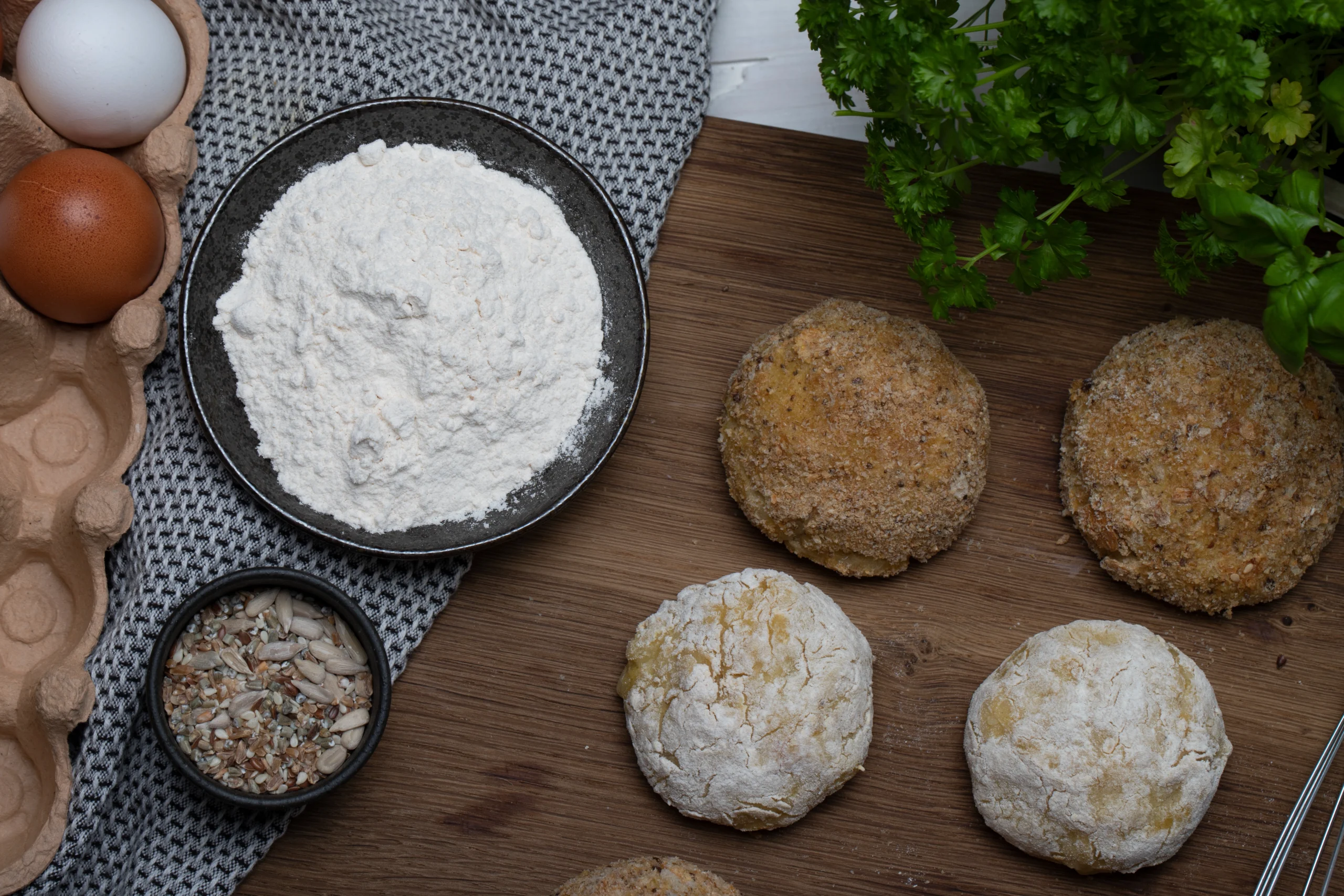
- Color: Light, creamy white; the unbleached flour retains its natural color without the use of chemical agents to whiten it.
- Shape: Fine powder.
- Size: Consistency and granularity similar to all-purpose flour, but slightly finer.
- Texture: Soft and powdery, with a slightly more delicate feel than all-purpose flour.
Culinary Uses
Unenriched, unbleached pastry flour is specifically designed for use in fine pastries and baked goods:
- Common Dishes: Pie crusts, tarts, cookies, and scones.
- Preparation Methods: Used in baking, where its lower protein content allows for tender and flaky textures.
- Suitable Pairings: Well-suited for recipes that require a delicate crumb or texture. It pairs well with both sweet and savory fillings and ingredients.
Geographical Information
- Origin: While wheat itself originates from the regions of the Fertile Crescent, modern pastry flour is produced in many parts of the world with advanced milling industries.
- Primary Growing Regions: Major wheat-producing countries include China, India, Russia, the United States, and France, among others.
- Seasonal Availability: As a milled product, pastry flour is available year-round.
Unenriched, unbleached pastry flour is a premium choice for bakers seeking to achieve the perfect balance of tenderness and structure in their pastries. Its specific milling process and protein content make it uniquely suited for delicate baked goods, offering a natural taste and color preferred by many for its minimal processing. Whether for professional pastry chefs or home bakers, this flour provides the foundation for countless exquisite creations.
| proximates: | |
| Water | 11.9 g |
| Energy (Atwater General Factors) | 359 kcal |
| Energy (Atwater Specific Factors) | 367 kcal |
| Nitrogen | 1.4 g |
| Protein | 8.75 g |
| Total lipid (fat) | 1.64 g |
| Ash | 0.53 g |
| Carbohydrates: | |
| Carbohydrate, by difference | 77.2 g |
| Minerals: | |
| Calcium, Ca | 17 mg |
| Iron, Fe | 0.87 mg |
| Magnesium, Mg | 22.4 mg |
| Phosphorus, P | 102 mg |
| Potassium, K | 142 mg |
| Sodium, Na | 1 mg |
| Zinc, Zn | 0.74 mg |
| Copper, Cu | 0.159 mg |
| Manganese, Mn | 0.635 mg |
| Selenium, Se | 5 µg |
| Molybdenum, Mo | 59.1 µg |
| Vitamins and Other Components: | |
| Thiamin | 0.146 mg |
| Riboflavin | <0.1 mg |
| Niacin | 0.988 mg |
| Vitamin B-6 | 0.065 mg |