

Basic Information
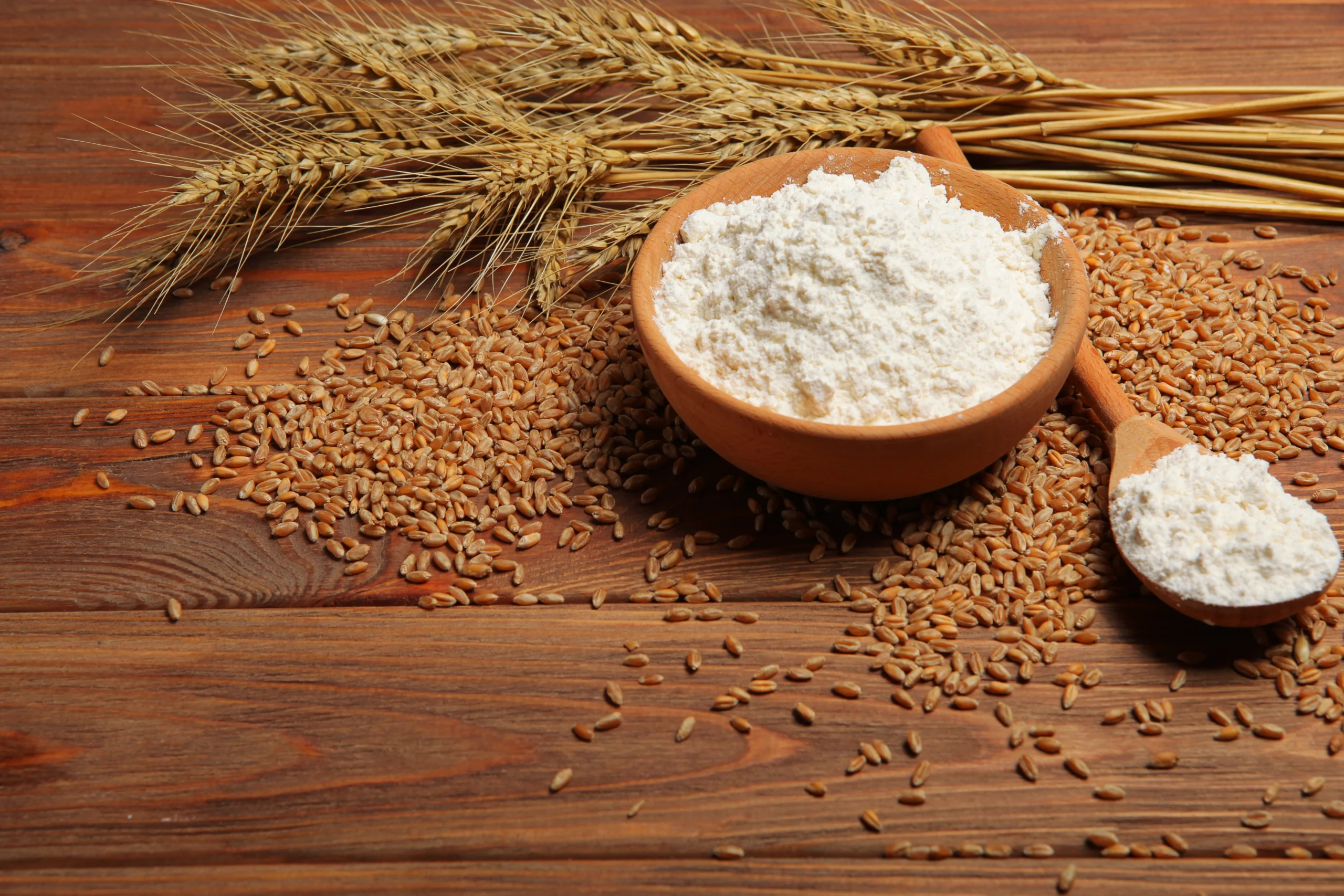
- Common Name: Whole Wheat Flour
- Scientific Name: Derived from Triticum spp.
- Category: Staple food, Cereal grain product
Nutritional Information
- Macronutrients:
- Carbohydrates: Approximately 71.2 g per 100 g
- Proteins: About 15.1 g per 100 g
- Fats: Roughly 2.73 g per 100 g
- Micronutrients: Rich in B vitamins (notably niacin, B6, and folate), vitamin E, and minerals such as iron, magnesium, phosphorus, potassium, and zinc. It also has a high fiber content due to the inclusion of the bran.
Phytonutrients
Whole wheat flour, being less processed than its white, refined counterparts, retains more of the bran and germ from the wheat grain. This means it contains a higher concentration of phytonutrients, which are bioactive compounds that contribute to various health benefits. Here are the primary phytonutrients found in whole wheat flour and their potential health implications:
Types of Phytonutrients in Whole Wheat Flour
- Phenolic Acids: These are powerful antioxidants, with ferulic acid being the most prominent in whole wheat. They help protect cells from oxidative stress and may reduce the risk of chronic diseases.
- Alkylresorcinols: Concentrated in the outer layers of the wheat kernel, these compounds have antioxidant properties and have been linked to reduced risk of certain cancers and chronic conditions like heart disease.
- Lignans: Present in whole grains, lignans have antioxidant and phytoestrogenic properties, which may help in reducing the risk of cardiovascular disease and certain cancers.
- Phytosterols: Known for their cholesterol-lowering effects, phytosterols contribute to heart health by reducing cholesterol absorption in the intestines.
- Betaine: This nutrient plays a role in liver function, cellular reproduction, and helps in reducing the risk of chronic diseases such as cardiovascular disease.
- Carotenoids: Although not as concentrated in wheat as in fruits and vegetables, carotenoids like lutein and zeaxanthin are present and contribute to eye health and may protect against chronic diseases.
- Tocopherols (Vitamin E): Whole wheat flour contains vitamin E, an antioxidant important for skin health and immune function.
- Dietary Fiber: While not a phytonutrient, the high fiber content in whole wheat flour, particularly insoluble fiber, is significant for digestive health, blood sugar regulation, and cholesterol management.
Nutritional Implications
The rich phytonutrient profile of whole wheat flour offers various health benefits, including improved heart health, potential reduction in cancer risk, and better digestive health. These compounds, along with the vitamins, minerals, and fibers present in whole wheat flour, contribute to its status as a nutritious choice for incorporating into the diet.
Given the processing differences, whole wheat flour maintains more of these health-promoting compounds compared to refined flours. To maximize health benefits, incorporating whole wheat flour and other whole grains into your diet can be an effective strategy for enhancing overall nutrient intake and supporting long-term health.
Calorie Count and Glycemic Index
- Calorie Count: Around 346 calories per 100 g
- Glycemic Index: Generally lower than white flour, ranging from 45 to 65, which makes it a better option for blood sugar management.
Physical Characteristics
- Color: Darker, more brownish than all-purpose flour due to the presence of the bran and germ.
- Shape: Powder
- Size: Slightly coarser texture than refined flours, although finely ground versions are also available.
- Texture: More granular and dense because it contains the whole grain, including the bran and germ.
Culinary Uses
Whole wheat flour is prized for its nutritional benefits and is used in various culinary applications, especially in dishes requiring a nuttier, more robust flavor:
- Common Dishes: Whole wheat bread, muffins, pancakes, and pastries. It’s also used in pizza dough, crackers, and as a healthier thickening agent in soups and sauces.
- Preparation Methods: Baking, boiling (for pasta and noodles), thickening.
- Suitable Pairings: Pairs well with other hearty ingredients such as nuts, seeds, dried fruits, and robust spices and herbs. It can also complement the sweetness of fruits in baked goods.
Geographical Information
- Origin: The cultivation of wheat for flour dates back over 10,000 years, originating in the Fertile Crescent, an area that now includes parts of modern-day Turkey, Iraq, and Iran.
- Primary Growing Regions: Today, wheat is a global crop, with major producers including China, India, Russia, the United States, and France.
- Seasonal Availability: As a processed product of wheat grains, whole wheat flour is available throughout the year.
Whole wheat flour is a nutritious, versatile option for those looking to incorporate more whole grains into their diet. Its rich nutritional profile, combined with its distinctive taste and texture, makes it a popular choice for both traditional and innovative recipes. Its use supports a balanced diet and can contribute to overall health and well-being.
| proximates: | |
| Water | 9.44 g |
| Energy (Atwater General Factors) | 370 kcal |
| Energy (Atwater Specific Factors) | 346 kcal |
| Nitrogen | 2.41 g |
| Protein | 15.1 g |
| Total lipid (fat) | 2.73 g |
| Ash | 1.56 g |
| Carbohydrates: | |
| Carbohydrate, by difference | 71.2 g |
| Fiber, total dietary | 10.6 g |
| Minerals: | |
| Calcium, Ca | 38 mg |
| Iron, Fe | 3.86 mg |
| Magnesium, Mg | 136 mg |
| Phosphorus, P | 352 mg |
| Potassium, K | 376 mg |
| Sodium, Na | 3 mg |
| Zinc, Zn | 3.24 mg |
| Copper, Cu | 0.452 mg |
| Manganese, Mn | 3.56 mg |
| Selenium, Se | 23.6 µg |
| Molybdenum, Mo | 58.5 µg |
| Vitamins and Other Components: | |
| Thiamin | 0.504 mg |
| Riboflavin | 0.128 mg |
| Niacin | 5.55 mg |
| Vitamin B-6 | 0.268 mg |
| Folate, total | 39 µg |