
Basic Information
- Common Name: Garlic
- Scientific Name: Allium sativum
- Category: Vegetable
Nutritional Information
- Macronutrients:
- Carbohydrates: Approximately 28.2 g per 100 g
- Proteins: About 6.62 g per 100 g
- Fats: Around 0.38 g per 100 g
- Micronutrients: Garlic is rich in Vitamin C, Vitamin B6, and manganese. It also contains calcium, phosphorus, iron, and selenium in smaller amounts.
Phytonutrients
Raw garlic is renowned not just for its distinctive flavor but also for its impressive array of phytonutrients, which contribute to its various health benefits. These bioactive compounds include:
Types of Phytonutrients in Raw Garlic
- Allicin: This sulfur-containing compound is produced when garlic is chopped, crushed, or chewed. It’s responsible for garlic’s distinct smell and much of its therapeutic effects, including antimicrobial and antioxidant properties.
- Sulfur Compounds: Beyond allicin, garlic contains other sulfur-containing compounds such as diallyl disulfide, s-allyl cysteine, and diallyl trisulfide. These compounds are associated with anti-inflammatory, antioxidant, and cardio-protective benefits.
- Flavonoids: Garlic contains various flavonoids like quercetin, which have antioxidant properties that can help protect the body against oxidative stress and may reduce the risk of chronic diseases.
- Saponins: Present in garlic, saponins have been noted for their immune-boosting and cholesterol-lowering effects.
- Phenolic Compounds: Garlic contains phenolic acids and derivatives, which have antioxidant properties, contributing to the reduction of oxidative stress in the body.
Nutritional Implications
The phytonutrients present in garlic have been studied for their potential health benefits, including:
- Cardiovascular Health: The sulfur compounds in garlic are believed to contribute to heart health by helping to regulate blood pressure and cholesterol levels.
- Antimicrobial Effects: Allicin and other sulfur compounds have been shown to have antimicrobial properties, effective against certain bacteria, viruses, fungi, and parasites.
- Cancer Prevention: Some studies suggest that the compounds in garlic could have a protective effect against certain types of cancer, possibly due to their ability to inhibit cancer cell growth and induce apoptosis.
- Immune System Support: Garlic’s antioxidant and antimicrobial properties may also support the immune system by combating stress and infection.
- Detoxification: Sulfur compounds in garlic support the body’s detoxification processes, aiding in the elimination of toxins.
Incorporating raw garlic into the diet can provide these phytonutrients, potentially offering various health benefits. However, the extent of these benefits can depend on the amount of garlic consumed, how it’s prepared, and individual health conditions.
Calorie Count and Glycemic Index
- Calorie Count: Roughly 143 calories per 100 g
- Glycemic Index: Low (around 10-30)
Physical Characteristics
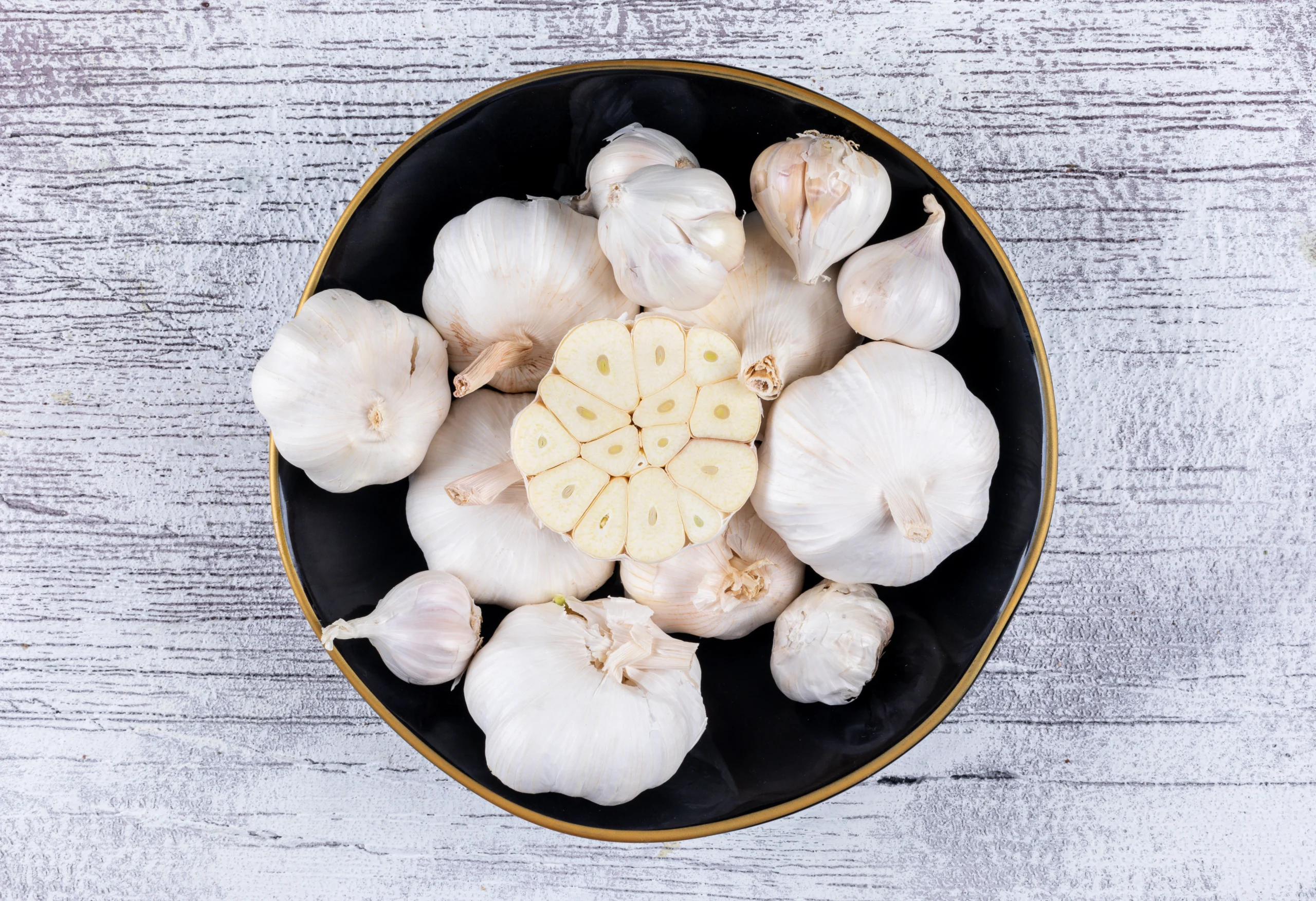
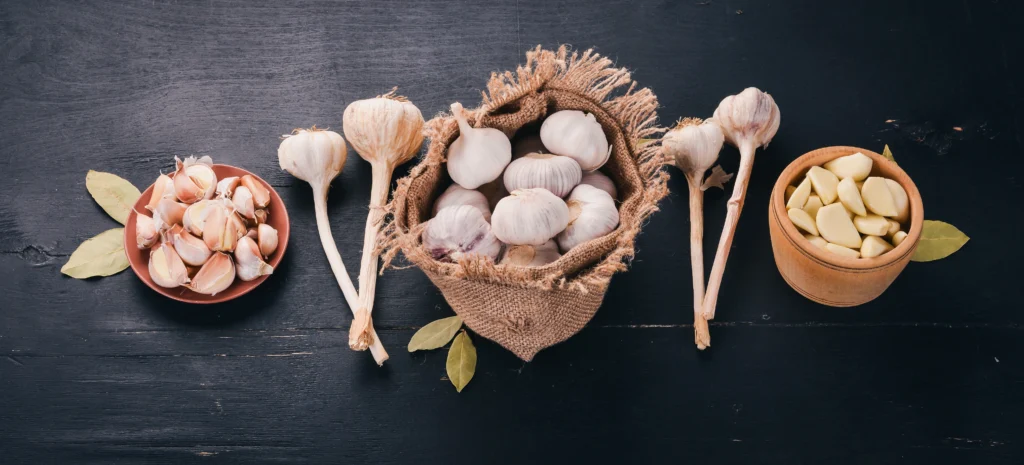
- Color: White to slightly yellowish, with the individual cloves covered by a papery skin
- Shape: The bulb is made up of individual cloves, each with a teardrop shape
- Size: A typical garlic bulb can range from 5 to 10 cm in diameter, with individual cloves varying in size
- Texture: Firm and crunchy when raw, becoming soft and sticky when cooked
Culinary Uses
Garlic is a fundamental ingredient in many cuisines worldwide, known for its strong, pungent flavor and aromatic qualities:
- Common Dishes: Used in sauces, soups, stews, marinades, dressings, and as a seasoning for meats and vegetables. It’s a key ingredient in dishes like garlic bread, garlic shrimp, and various pasta sauces.
- Preparation Methods: Can be used raw, roasted, sautéed, pickled, or as a flavor infusion in oils. Crushing, chopping, or mincing garlic releases its flavors more intensely.
- Suitable Pairings: Pairs well with herbs such as rosemary, thyme, and parsley. Enhances the flavor of meats, poultry, seafood, and vegetables.
Geographical Information
- Origin: Central Asia, with a history of cultivation dating back over 5,000 years
- Primary Growing Regions: Garlic is now grown globally, with China, India, South Korea, Egypt, and Russia being among the top producers.
- Seasonal Availability: Garlic is available year-round, with fresh garlic typically harvested in the summer months.
Garlic is not only valued for its culinary uses but also for its potential health benefits, including antimicrobial, antioxidant, and cardiovascular benefits. Its unique flavor profile makes it an indispensable ingredient in kitchens around the world.
| proximates: | |
| Water | 63.1 g |
| Energy (Atwater General Factors) | 143 kcal |
| Energy (Atwater Specific Factors) | 130 kcal |
| Nitrogen | 1.06 g |
| Protein | 6.62 g |
| Total lipid (fat) | 0.38 g |
| Ash | 1.71 g |
| Carbohydrates: | |
| Carbohydrate, by difference | 28.2 g |
| Fiber, total dietary | 2.7 g |
| Minerals: | |
| Selenium, Se | 9.8 µg |
| Vitamins and Other Components: | |
| Vitamin C, total ascorbic acid | 10 mg |