
Basic Information
- Name: White Grapefruit Juice
- Scientific Name: Citrus × paradisi
- Category: Fruit juice
Varieties
While this entry focuses on white grapefruit juice, grapefruits themselves come in several varieties, including but not limited to white varieties such as Duncan, Marsh, and Oro Blanco.
Nutritional Information
- Macronutrients:
- Carbohydrates: Approximately 7.59 g per 100 ml, mainly from natural sugars
- Proteins: About 0.55 g per 100 ml
- Fats: Virtually none
- Micronutrients: Rich in vitamin C and a good source of potassium. Contains small amounts of vitamin A and dietary fiber. It also has trace amounts of B vitamins and minerals like magnesium.
Phytonutrients
White grapefruit juice, even when canned or bottled and unsweetened, contains a range of phytonutrients that contribute to its health benefits. While it might not have the same concentration of certain phytonutrients found in red or pink grapefruits, such as lycopene, white grapefruit juice still offers valuable compounds:
Types of Phytonutrients in White Grapefruit Juice
- Naringin: This is a flavonoid that imparts the characteristic bitter flavor to grapefruit juice. Naringin has antioxidant properties and is thought to have various health benefits, including anti-inflammatory effects and the potential to improve metabolic syndrome factors.
- Limonoids: Compounds such as limonin found in grapefruit juice are known for their health-promoting properties, including anticancer activity, cholesterol-lowering effects, and contributing to the juice’s bitter taste.
- Flavanones: Including hesperidin, flavanones in grapefruit juice have antioxidant and anti-inflammatory properties. They may play a role in cardiovascular health by improving endothelial function and lowering blood pressure.
- Vitamin C: Although technically a vitamin rather than a phytonutrient, the high vitamin C content in grapefruit juice deserves mention for its potent antioxidant properties, crucial for immune system function, skin health, and collagen production.
Nutritional Implications
The phytonutrients in white grapefruit juice provide several health benefits:
- Antioxidant Support: The antioxidants present, including naringin and vitamin C, help neutralize free radicals, reducing the risk of chronic diseases such as heart disease and certain cancers.
- Heart Health: Flavanones like hesperidin can contribute to cardiovascular health by improving blood vessel function and possibly lowering cholesterol levels.
- Anti-inflammatory Effects: The anti-inflammatory properties of these phytonutrients may help in reducing the risk of conditions associated with chronic inflammation, such as arthritis.
- Metabolic Benefits: Naringin has been studied for its potential effects on metabolic syndrome, offering possible benefits for blood sugar and cholesterol management.
It’s important to note that grapefruit juice, including the white variety, can interact with certain medications, altering their effectiveness. Before regularly consuming grapefruit juice, especially if you are on medication, consult with a healthcare provider to avoid potential interactions. Despite this, the inclusion of unsweetened white grapefruit juice in a balanced diet can contribute positively to nutritional intake and overall health, thanks to its phytonutrient content.

Calorie Count and Glycemic Index
- Calorie Count: Around 39 calories per 100 ml
- Glycemic Index: Low to medium, generally around 45-50
Physical Characteristics
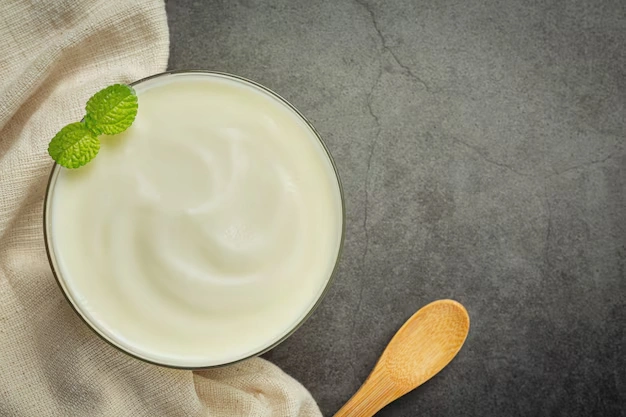
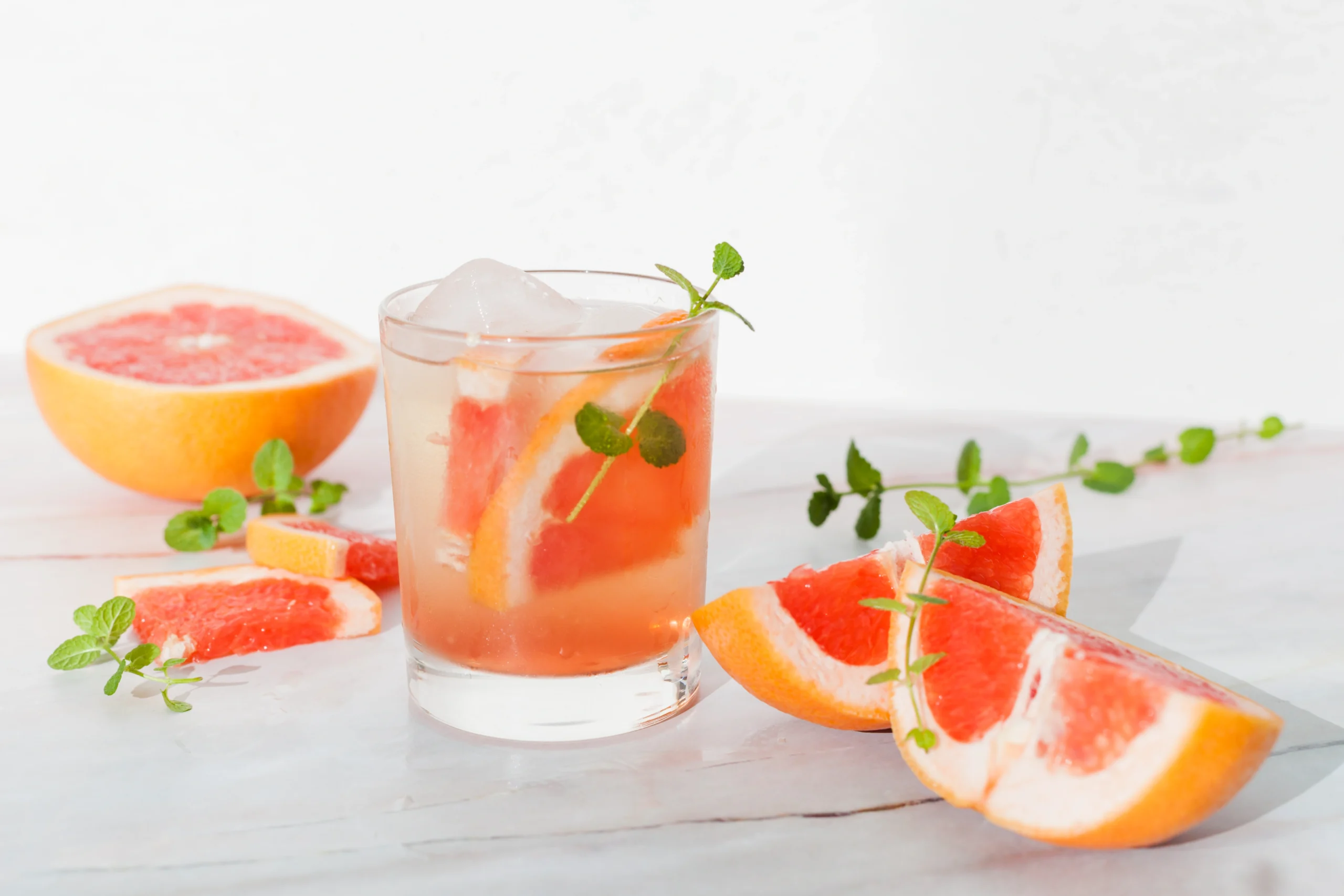
- Color: Pale yellow, characteristic of white grapefruit
- Shape: Liquid
- Size: Available in various container sizes, typically measured in liters or fluid ounces for canned or bottled products
- Texture: Smooth liquid, though pulp may be present in some varieties
Culinary Uses
White grapefruit juice serves as a refreshing beverage on its own and is used in various culinary applications:
- Common Dishes: Often consumed as a standalone drink, white grapefruit juice is also a popular ingredient in cocktails, smoothies, and fruit punches. It can be used in salad dressings and marinades to add a tangy flavor.
- Preparation Methods: Ready to consume from the can or bottle; can be served chilled for a refreshing taste.
- Suitable Pairings: Pairs well with seafood, salads, and as a component in mixed beverages. Its tangy flavor complements sweet and savory dishes.
Geographical Information
- Origin: The grapefruit is believed to have originated from Barbados as a cross between the pomelo (Citrus maxima) and the sweet orange (Citrus sinensis), making it a relatively recent addition to the citrus family.
- Primary Growing Regions: Major producers include the United States (Florida, Texas, California), Israel, and parts of South America.
- Seasonal Availability: Grapefruit juice, especially canned or bottled, is available year-round due to processing and preservation methods.
White grapefruit juice, canned or bottled and unsweetened, offers a tangy and slightly bitter flavor profile, distinct from its pink and red counterparts. It provides a refreshing option rich in vitamin C and potassium, making it a healthful addition to a balanced diet.
| proximates: | |
| Water | 90.9 g |
| Energy (Atwater General Factors) | 39 kcal |
| Energy (Atwater Specific Factors) | 37 kcal |
| Nitrogen | 0.09 g |
| Protein | 0.55 g |
| Total lipid (fat) | 0.7 g |
| Ash | 0.29 g |
| Carbohydrates: | |
| Carbohydrate, by difference | 7.59 g |
| Fiber, total dietary | 0.2 g |
| Sugars, Total | 7.72 g |
| Sucrose | 1.17 g |
| Glucose | 3.22 g |
| Fructose | 3.22 g |
| Minerals: | |
| Calcium, Ca | 16 mg |
| Iron, Fe | 0.07 mg |
| Magnesium, Mg | 9.6 mg |
| Phosphorus, P | 17 mg |
| Potassium, K | 141 mg |
| Sodium, Na | 1 mg |
| Zinc, Zn | 0.04 mg |
| Copper, Cu | 0.032 mg |
| Manganese, Mn | 0.02 mg |
| Vitamins and Other Components: | |
| Vitamin C, total ascorbic acid | 39.4 mg |
| Thiamin | 0.062 mg |
| Riboflavin | 0.02 mg |
| Niacin | 0.253 mg |
| Pantothenic acid | 0.28 mg |
| Folate, total | 12 µg |
| Vitamin E (alpha-tocopherol) | 0.22 mg |
| Specific Gravity | 1.04 sp gr |