

Basic Information
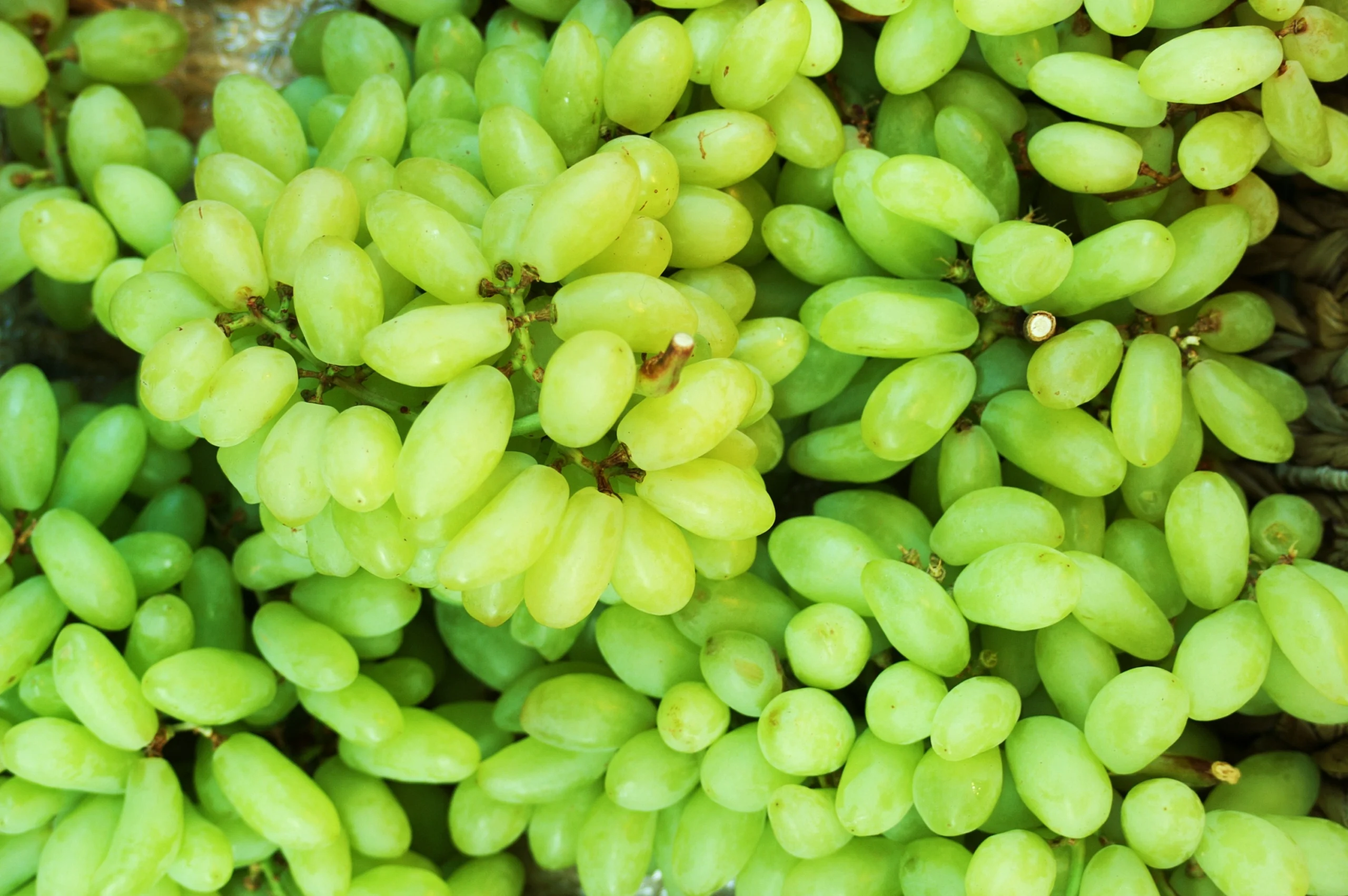
- Name: Green Grapes, Seedless
- Scientific Name: Vitis vinifera
- Category: Fruit
Varieties
While “green grapes” generally refer to a color category rather than a specific variety, several popular seedless green grape varieties include Thompson Seedless, Sugarone, and Calmeria.
Nutritional Information
- Macronutrients:
- Carbohydrates: Approximately 18.9 g per 100 g, mainly from sugars and dietary fiber
- Proteins: About 0.9 g per 100 g
- Fats: Virtually none, with about 0.23 g per 100 g
- Micronutrients: Rich in Vitamin C, Vitamin K, and also provides small amounts of B vitamins. Contains minerals such as potassium, calcium, and magnesium.
Phytonutrients
Green, seedless grapes, while not as rich in certain phytonutrients as their darker counterparts, still offer a range of beneficial compounds that contribute to their health benefits. Here’s an overview of the key phytonutrients present in raw green, seedless grapes:
Types of Phytonutrients in Green, Seedless Grapes
- Flavonoids: These include catechins and epicatechins, which are antioxidants that can help reduce inflammation and protect cells from damage. Flavonoids are linked to a reduced risk of chronic diseases, such as heart disease and cancer.
- Phenolic Acids: Including caffeic acid and gallic acid, these compounds have antioxidant properties that contribute to the overall health benefits of green grapes by combating oxidative stress.
- Resveratrol: Although resveratrol is more abundant in red and purple grapes, green grapes contain small amounts of this potent antioxidant. Resveratrol is known for its cardiovascular benefits and potential to extend lifespan.
- Tannins: Present in the skins of grapes, tannins have antioxidant properties and contribute to the astringent taste of some grape varieties.
- Quercetin: A flavonol found in grapes, quercetin has antioxidant and anti-inflammatory effects, which can help in preventing chronic diseases and promoting overall health.
Nutritional Implications
The phytonutrients in green, seedless grapes offer various health benefits:
- Antioxidant Support: The flavonoids, phenolic acids, and other antioxidants in green grapes help neutralize free radicals, reducing oxidative stress and potentially lowering the risk of chronic diseases.
- Heart Health: Compounds like resveratrol and quercetin may improve cardiovascular health by enhancing blood vessel function and reducing inflammation.
- Anti-inflammatory Effects: The anti-inflammatory properties of these phytonutrients can contribute to reducing the risk of conditions associated with chronic inflammation, such as heart disease and certain types of cancer.
Incorporating green, seedless grapes into your diet can provide these phytonutrients, contributing to a balanced diet and supporting overall health. While they may not have the same concentration of certain phytonutrients as darker grapes, their nutritional benefits, coupled with their sweet taste and convenience as a snack, make them a valuable addition to a healthful diet.
Calorie Count and Glycemic Index
- Calorie Count: Around 72 calories per 100 g
- Glycemic Index: Medium, approximately 46-49
Physical Characteristics
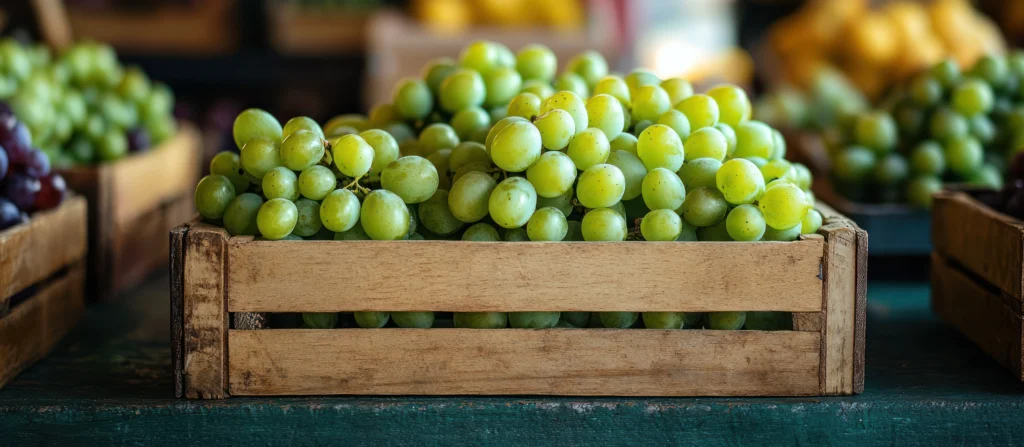
- Color: Pale green to yellow-green, depending on the variety and ripeness
- Shape: Small, round, and typically uniform in size
- Size: About 1-3 cm in diameter
- Texture: Crisp and juicy with a smooth, thin skin
Culinary Uses
Green grapes are versatile in the culinary world, enjoyed both raw and in various dishes:
- Common Dishes: Often eaten fresh as a snack, added to fruit salads, and used in cheese platters. They’re also popular in chicken salads, roasted with meats, or cooked down into sauces.
- Preparation Methods: Can be frozen for a cool snack, roasted, or simmered in cooking.
- Suitable Pairings: Pairs well with cheeses, especially sharp or creamy ones like goat cheese or brie. Excellent with nuts, honey, and in savory dishes with chicken or pork.
Geographical Information
- Origin: Thought to originate from the Near East, grapes have been cultivated for thousands of years, spreading across the Mediterranean, Europe, and eventually the New World.
- Primary Growing Regions: Today, grapes are grown globally in temperate climates, with major producers including Italy, China, the United States (California), and France.
- Seasonal Availability: While grapes are harvested in late summer to early fall in the Northern Hemisphere, modern agricultural practices and global distribution allow for year-round availability in many parts of the world.
Green, seedless grapes offer a delightful blend of sweet and tart flavors, making them a popular choice for a wide range of eating occasions and culinary applications. Their nutritional profile, including a good source of vitamins and minerals, adds to their appeal as a healthy snack option.
| proximates: | |
| Water | 79.9 g |
| Energy (Atwater General Factors) | 80 kcal |
| Energy (Atwater Specific Factors) | 72 kcal |
| Nitrogen | 0.14 g |
| Protein | 0.9 g |
| Total lipid (fat) | 0.23 g |
| Ash | 0.38 g |
| Carbohydrates: | |
| Carbohydrate, by difference | 18.6 g |
| Sugars, Total | 16.1 g |
| Sucrose | <0.25 g |
| Glucose | 7.49 g |
| Fructose | 8.65 g |
| Lactose | <0.25 g |
| Maltose | <0.25 g |
| Galactose | <0.1 g |
| Minerals: | |
| Calcium, Ca | 10 mg |
| Iron, Fe | 0.2 mg |
| Magnesium, Mg | 7.1 mg |
| Phosphorus, P | 22 mg |
| Potassium, K | 218 mg |
| Sodium, Na | 3 mg |
| Zinc, Zn | 0.03 mg |
| Copper, Cu | 0.061 mg |
| Manganese, Mn | 0.084 mg |
| Vitamins and Other Components: | |
| Vitamin C, total ascorbic acid | 3 mg |
| Biotin | <3.7 µg |