

Basic Information
- Name: Hummus
- Scientific Name: N/A (Culinary dish made from Cicer arietinum, chickpeas or garbanzo beans)
- Category: Food spread/dip
- Varieties: Traditional (plain), roasted garlic, red pepper, lemon, olive, pine nut, and many others influenced by additional ingredients or flavors.
Nutritional Information
- Macronutrients:
- Carbohydrates: Approximately 14.9 g per 100 g, with a mix of complex carbs and dietary fiber.
- Proteins: About 7.35 g per 100 g, making it a good plant-based protein source.
- Fats: Roughly 17.1 g per 100 g, primarily healthy fats from tahini (sesame seed paste) and olive oil.
- Micronutrients: Rich in iron, phosphorus, and B vitamins, particularly folate and B6. Also contains magnesium, zinc, and potassium.
phytonutrients
Commercial hummus, a popular and nutritious spread made primarily from chickpeas (garbanzo beans), tahini (sesame seed paste), olive oil, lemon juice, and various seasonings, contains several beneficial phytonutrients. These compounds contribute to hummus’s health benefits, including antioxidant and anti-inflammatory properties. Here’s a detailed overview of the key phytonutrients present in commercial hummus:
Phytonutrients in Hummus
- Isoflavones: Chickpeas contain isoflavones, a type of phytoestrogen that can have antioxidant properties and may contribute to reducing the risk of certain diseases.
- Saponins: Found in chickpeas, saponins have antioxidant and immune-boosting properties. They can also contribute to the cardiovascular health benefits of hummus by affecting lipid metabolism.
- Phytic Acid: Present in both chickpeas and sesame seeds, phytic acid has antioxidant properties. While it can bind minerals and reduce their absorption, it also has health-promoting effects, including cancer risk reduction.
- Lignans: Tahini, made from sesame seeds, contains lignans, particularly sesamin and sesamolin, which have antioxidant and anti-inflammatory effects. Lignans are also known for their potential role in cholesterol management and heart health.
- Oleic Acid: Olive oil, a key ingredient in hummus, is rich in oleic acid, a monounsaturated fatty acid that has been linked to reduced inflammation and may have beneficial effects on genes linked to cancer.
- Polyphenols: Olive oil is also a source of polyphenols, such as hydroxytyrosol and oleocanthal, which have strong antioxidant and anti-inflammatory properties. These compounds may contribute to the cardiovascular benefits associated with olive oil.
Nutritional Implications
The phytonutrients in hummus contribute to its health benefits, which include:
- Antioxidant Support: The various antioxidants in hummus can help neutralize free radicals, potentially reducing oxidative stress and the risk of chronic diseases.
- Heart Health: Components like saponins and lignans, along with the healthy fats from olive oil and tahini, contribute to cardiovascular health by improving lipid profiles and reducing inflammation.
- Anti-inflammatory Effects: Phytonutrients such as oleic acid and polyphenols in olive oil, along with lignans in tahini, have anti-inflammatory properties that can benefit overall health.
- Cancer Prevention: Some studies suggest that the phytoestrogens and antioxidants in hummus ingredients may have a protective effect against certain types of cancer.
Including hummus in a balanced diet can provide these phytonutrients, offering a tasty way to enjoy various health benefits. However, as with all foods, moderation is key, especially for those monitoring their caloric intake or sodium consumption, as commercial hummus can vary in these aspects.
Calorie Count and Glycemic Index
- Calorie Count: Around 243 calories per 100 g, depending on the specific ingredients and their proportions.
- Glycemic Index: Low, thanks to the fiber content and complex carbohydrates.
Physical Characteristics
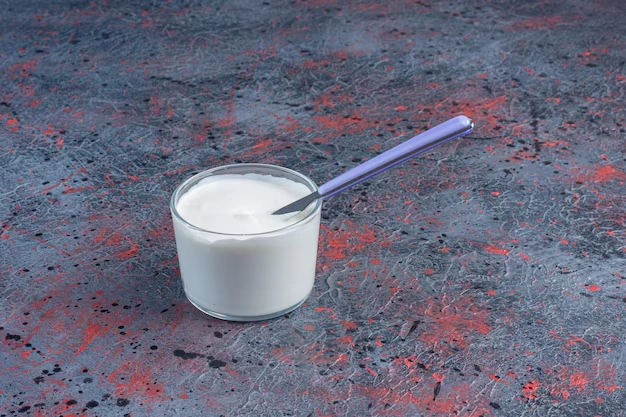
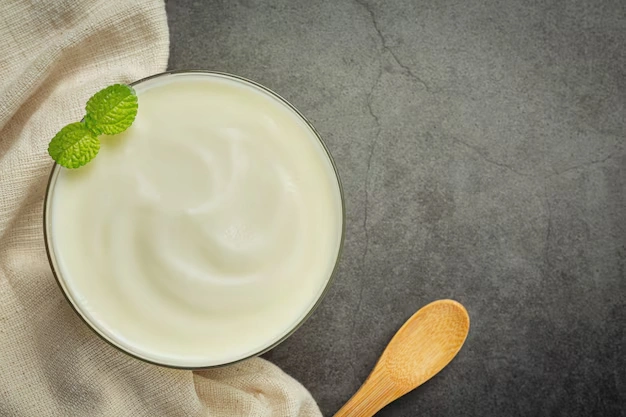
- Color: Light beige to varying shades of brown and green, depending on additional ingredients.
- Shape: Typically presented as a thick, creamy spread.
- Size: Served in containers of various sizes, measured by weight or volume.
- Texture: Smooth and creamy, though texture can vary with additional mix-ins.
Culinary Uses
Hummus is a versatile dish used in a variety of culinary applications:
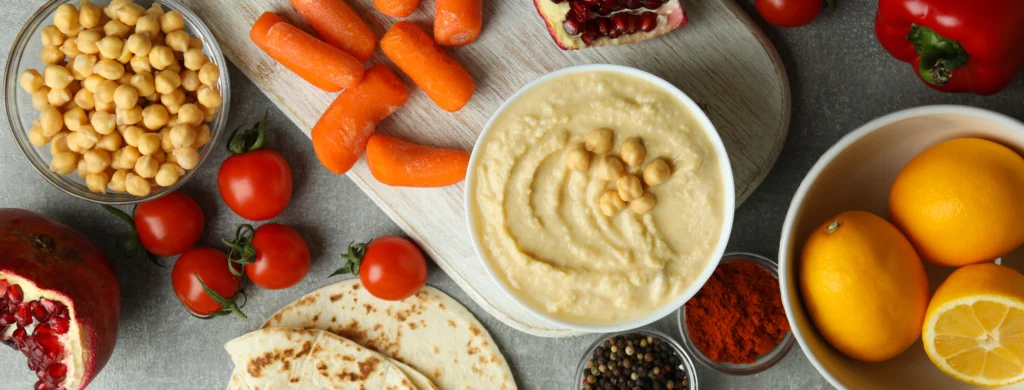
- Common Dishes: Served as a dip with pita bread, vegetables, or chips; spread on sandwiches or wraps; used as a base for savory dishes.
- Preparation Methods: Commercially prepared hummus is ready to eat, though it can be garnished with olive oil, herbs, spices, or additional ingredients like pine nuts.
- Suitable Pairings: Pairs well with Mediterranean and Middle Eastern dishes, fresh vegetables, grilled meats, and as part of mezze platters.
Geographical Information
- Origin: The exact origins of hummus are debated, but it is traditionally associated with the Middle Eastern and Mediterranean regions.
- Primary Growing Regions: Chickpeas, the primary ingredient, are widely cultivated in India, Australia, the Mediterranean, and the Middle East.
- Seasonal Availability: Commercial hummus is available year-round, thanks to the global cultivation of chickpeas and the shelf-stability of the product.
Commercial hummus combines healthful ingredients like chickpeas, tahini, olive oil, lemon juice, and garlic to create a nutritious and flavorful spread. Its popularity has led to a wide variety of flavors and brands available worldwide, making it a staple in many diets for its nutritional benefits and culinary versatility.
| proximates: | |
| Water | 58.7 g |
| Energy (Atwater General Factors) | 243 kcal |
| Energy (Atwater Specific Factors) | 229 kcal |
| Nitrogen | 1.18 g |
| Protein | 7.35 g |
| Total lipid (fat) | 17.1 g |
| Total fat (NLEA) | 16.1 g |
| Ash | 1.97 g |
| Carbohydrates: | |
| Carbohydrate, by difference | 14.9 g |
| Carbohydrate, by summation | 13.9 g |
| Fiber, total dietary | 5.4 g |
| Sugars, Total | 0.34 g |
| Sucrose | 0.18 g |
| Fructose | 0.15 g |
| Starch | 8.12 g |
| Minerals: | |
| Calcium, Ca | 41 mg |
| Iron, Fe | 2.41 mg |
| Magnesium, Mg | 71.1 mg |
| Phosphorus, P | 166 mg |
| Potassium, K | 289 mg |
| Sodium, Na | 438 mg |
| Zinc, Zn | 1.38 mg |
| Copper, Cu | 0.348 mg |
| Manganese, Mn | 1.06 mg |
| Selenium, Se | 16.2 µg |
| Vitamins and Other Components: | |
| Thiamin | 0.15 mg |
| Riboflavin | 0.115 mg |
| Niacin | 0.948 mg |
| Pantothenic acid | 0.318 mg |
| Vitamin B-6 | 0.143 mg |
| Folate, total | 36 µg |
| Choline, total | 46.6 mg |
| Choline, free | 22.3 mg |
| Choline, from phosphocholine | 23 mg |
| Choline, from phosphotidyl choline | 0.2 mg |
| Choline, from glycerophosphocholine | 1.1 mg |
| Betaine | 0.2 mg |
| Vitamin A, RAE | 1 µg |
| Carotene, beta | 12 µg |
| Cryptoxanthin, beta | 3 µg |
| Lutein + zeaxanthin | 258 µg |
| Vitamin E (alpha-tocopherol) | 1.74 mg |
| Tocopherol, beta | 0.31 mg |
| Tocopherol, gamma | 9.47 mg |
| Tocopherol, delta | 1.3 mg |
| Vitamin K (phylloquinone) | 17.2 µg |
| Lipids: | |
| Fatty acids, total saturated | 2.22 g |
| SFA 14:0 | 0.009 g |
| SFA 15:0 | 0.004 g |
| SFA 16:0 | 1.41 g |
| SFA 17:0 | 0.01 g |
| SFA 18:0 | 0.634 g |
| SFA 20:0 | 0.079 g |
| SFA 22:0 | 0.044 g |
| SFA 24:0 | 0.027 g |
| Fatty acids, total monounsaturated | 6.37 g |
| MUFA 16:1 c | 0.021 g |
| MUFA 17:1 | 0.007 g |
| MUFA 17:1 c | 0.007 g |
| MUFA 18:1 c | 6.25 g |
| MUFA 20:1 c | 0.084 g |
| MUFA 22:1 c | 0.001 g |
| MUFA 22:1 n-9 | 0.001 g |
| MUFA 24:1 c | 0.005 g |
| Fatty acids, total polyunsaturated | 7.48 g |
| PUFA 18:2 c | 6.81 g |
| PUFA 18:2 n-6 c,c | 6.81 g |
| PUFA 18:2 CLAs | 0.002 g |
| PUFA 18:3 c | 0.656 g |
| PUFA 18:3 n-3 c,c,c (ALA) | 0.637 g |
| PUFA 18:3 n-6 c,c,c | 0.02 g |
| PUFA 20:2 c | 0.005 g |
| PUFA 20:2 n-6 c,c | 0.005 g |
| PUFA 20:4 | 0.005 g |
| PUFA 20:4c | 0.005 g |
| Fatty acids, total trans | 0.018 g |
| Fatty acids, total trans-monoenoic | 0.006 g |
| TFA 18:1 t | 0.006 g |
| Fatty acids, total trans-dienoic | 0.012 g |
| TFA 18:2 t not further defined | 0.012 g |