

Basic Information
- Name: Green Leaf Lettuce
- Scientific Name: Lactuca sativa
- Category: Vegetable
Varieties
Green leaf lettuce is a general term that can encompass various types of lettuce with green leaves, including but not limited to:
- Oak Leaf: Characterized by its lobed, oak-like leaves.
- Simpson Elite: A type of green leaf lettuce known for its tender, mildly sweet leaves.
Nutritional Information
- Macronutrients:
- Carbohydrates: Approximately 4.07 g per 100 g, mainly from sugars and dietary fiber.
- Proteins: About 1.09 g per 100 g.
- Fats: Very low, around 0.16 g per 100 g.
- Micronutrients: Rich in Vitamin A (in the form of beta-carotene) and Vitamin K. It also provides small amounts of Vitamin C, folate, and minerals such as iron, calcium, magnesium, and potassium.
phytonutrients
Raw green leaf lettuce, a popular and nutritious vegetable, contains various phytonutrients that contribute to its health benefits. These bioactive compounds have been recognized for their antioxidant, anti-inflammatory, and health-promoting properties. Here’s an overview of the key phytonutrients found in raw green leaf lettuce:
Types of Phytonutrients in Green Leaf Lettuce
- Beta-Carotene: An important carotenoid that the body can convert into vitamin A, beta-carotene is known for its antioxidant properties, supporting vision health, immune function, and skin health.
- Lutein and Zeaxanthin: These carotenoids are concentrated in the eye’s macula and are essential for eye health, protecting against macular degeneration and cataracts.
- Vitamin K: While technically a vitamin, vitamin K functions as a phytonutrient in the body, playing a critical role in blood clotting and bone health. It also has antioxidant properties.
- Vitamin C: Acts as a powerful antioxidant, supporting immune health, collagen synthesis, and helping in the absorption of iron from plant-based foods.
- Flavonoids: Green leaf lettuce contains various flavonoids, including quercetin, which possess antioxidant and anti-inflammatory properties, potentially reducing the risk of chronic diseases.
- Chlorophyll: The pigment that gives green leaf lettuce its color, chlorophyll has been studied for its potential antioxidant and wound-healing properties.

Nutritional Implications
The phytonutrients in green leaf lettuce offer several health benefits:
- Antioxidant Protection: The antioxidants in green leaf lettuce help neutralize free radicals, reducing oxidative stress and potentially lowering the risk of chronic diseases such as heart disease and cancer.
- Eye Health: Lutein and zeaxanthin are crucial for protecting the eyes from harmful light waves and may reduce the risk of age-related eye disorders.
- Bone Health: Vitamin K is essential for bone health, working in synergy with calcium and vitamin D to maintain strong bones.
- Immune Support: Vitamin C boosts the immune system, helping the body to fight off infections and diseases.
Including green leaf lettuce in your diet can provide these phytonutrients, contributing to overall health and well-being. Its mild flavor and nutritional profile make it a versatile ingredient for salads, sandwiches, and wraps, enhancing both the visual appeal and nutritional value of meals.
Calorie Count and
- Calorie Count: Roughly 18 calories per 100 g.
- Glycemic Index: Low (due to low carbohydrate content).
Physical Characteristics
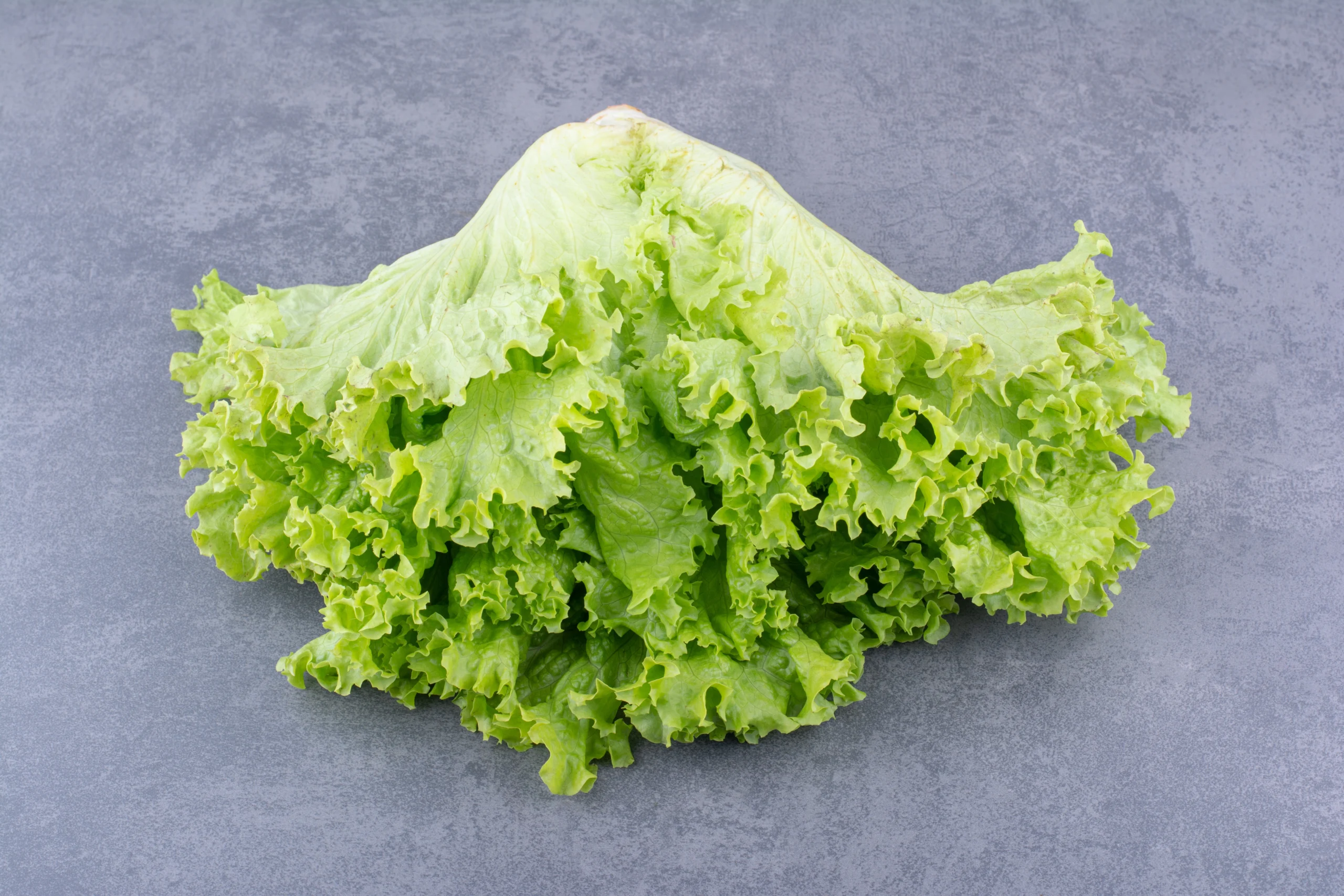
- Color: Bright to dark green, depending on the variety and maturity.
- Shape: Loose, leafy heads with individual leaves varying in shape from rounded to more elongated forms.
- Size: Leaves can range from small to large, with the entire head varying in size.
- Texture: Tender and slightly crisp with a smooth surface.
Culinary Uses
Green leaf lettuce is versatile in the kitchen, suitable for:
- Common Dishes: Salads, sandwiches, wraps, and as a garnish. Also used as a bed for other dishes like grilled meats or as cups for fillings in appetizers.
- Preparation Methods: Typically eaten raw to preserve its texture and nutrient content. Can be washed and torn or cut into pieces for use.
- Suitable Pairings: Its mild flavor pairs well with a variety of dressings, from creamy to vinaigrette types, and complements other salad ingredients like tomatoes, cucumbers, and onions, as well as proteins like chicken, beef, and tofu.
Geographical Information
- Origin: Lettuce is believed to have originated in the eastern Mediterranean region and Egypt.
- Primary Growing Regions: Widely cultivated in temperate and subtropical regions around the world. Major producers include China, the United States, India, and parts of Europe.
- Seasonal Availability: Available year-round, with peak seasons in spring and fall when the weather is cooler.
Green leaf lettuce is a popular choice for salads and other dishes due to its nutritional profile, including high levels of Vitamin A and K, and its versatility in culinary uses. Its broad, tender leaves offer a pleasant texture and mild flavor that complements a wide range of ingredients.
| proximates: | |
| Water | 94 g |
| Energy (Atwater General Factors) | 22 kcal |
| Energy (Atwater Specific Factors) | 18 kcal |
| Nitrogen | 0.18 g |
| Protein | 1.09 g |
| Total lipid (fat) | 0.16 g |
| Ash | 0.67 g |
| Carbohydrates: | |
| Carbohydrate, by difference | 4.07 g |
| Minerals: | |
| Calcium, Ca | 40 mg |
| Iron, Fe | 0.32 mg |
| Magnesium, Mg | 12.8 mg |
| Phosphorus, P | 27 mg |
| Potassium, K | 277 mg |
| Sodium, Na | 29 mg |
| Zinc, Zn | 0.31 mg |
| Copper, Cu | <0.25 mg |
| Manganese, Mn | 0.156 mg |
| Vitamins and Other Components: | |
| Vitamin C, total ascorbic acid | 15.2 mg |
| Thiamin | 0.082 mg |
| Niacin | 0.375 mg |
| Vitamin B-6 | 0.071 mg |
| Vitamin K (phylloquinone) | 118 µg |
| Vitamin K (Dihydrophylloquinone) | <0.1 µg |
| Vitamin K (Menaquinone-4) | <0.1 µg |