
Basic Information
- Name: Whole Milk (with added Vitamin D)
- Scientific Name: N/A (Derived from Bos taurus, domestic cattle)
- Category: Dairy Product
Varieties
While this entry focuses on whole milk, it’s important to note that milk can vary based on fat content, including skim (nonfat), 1% (low-fat), and 2% (reduced-fat) milk. Whole milk is characterized by its 3.25% milkfat content.
Nutritional Information
- Macronutrients:
- Carbohydrates: Approximately 4.63 g per 100 g, mainly from lactose.
- Proteins: About 3.27 g per 100 g, providing high-quality proteins including casein and whey.
- Fats: Roughly 3.2 g per 100 g, consisting of saturated and unsaturated fats.
- Micronutrients: Fortified with Vitamin D. Naturally rich in calcium, phosphorus, and B vitamins, including B2 (riboflavin) and B12. Also contains potassium, vitamin A (in varying amounts depending on the diet of the cows), and magnesium.
phytonutrients
Whole milk, including those variants with 3.25% milkfat and fortified with vitamin D, primarily provides a rich blend of macronutrients (fats, proteins, carbohydrates) and essential micronutrients (vitamins and minerals) rather than phytonutrients, which are specific to plants. Being an animal-derived product, milk does not contain phytonutrients in the way fruits and vegetables do. However, it is rich in bioactive compounds and nutrients that contribute to its health benefits. Here’s an overview of the key components and added nutrients in whole milk:
Key Components and Added Nutrients in Whole Milk
- Vitamin D: Fortified in whole milk, vitamin D is crucial for bone health as it enhances calcium absorption. It also plays a role in immune function and has anti-inflammatory properties.
- Calcium: Naturally abundant in milk, calcium is essential for building and maintaining strong bones and teeth, muscle function, and nerve signaling.
- Protein: Whole milk contains high-quality proteins like casein and whey, which are important for muscle repair, growth, and overall health.
- Fats: The milkfat in whole milk includes a mix of saturated and unsaturated fats, providing energy and aiding in the absorption of fat-soluble vitamins.
- Vitamin A: Often naturally present in whole milk, vitamin A supports vision health, immune function, and skin integrity.
- B Vitamins: Milk is a good source of several B vitamins, including riboflavin (B2) and vitamin B12, supporting energy production and the health of red blood cells.
- Minerals: Besides calcium, milk provides potassium, phosphorus, and magnesium, contributing to cardiovascular health, bone density, and various metabolic functions.
Nutritional Implications
While whole milk doesn’t contain phytonutrients, the fortified vitamin D and other natural nutrients offer numerous health benefits:
- Bone and Dental Health: The combination of natural calcium and fortified vitamin D in milk supports the development and maintenance of strong bones and teeth.
- Muscle Maintenance: The high-quality protein in milk aids in muscle repair and growth, beneficial for physical health and recovery.
- Heart Health: While whole milk contains saturated fats, it also provides essential nutrients that contribute to overall cardiovascular health, especially when consumed in moderation within a balanced diet.
- Immune Support and Overall Health: Fortified vitamin D, along with natural nutrients like vitamin A and B vitamins, support the immune system and overall health.
Including whole milk in your diet can provide these essential nutrients, contributing to a balanced and nutritious diet. It’s a versatile dairy product that can be consumed directly, added to cereals, used in cooking and baking, or included in smoothies and other beverages.

Calorie Count and Glycemic Index
- Calorie Count: Around 61 calories per 100 g.
- Glycemic Index: Low
Physical Characteristics
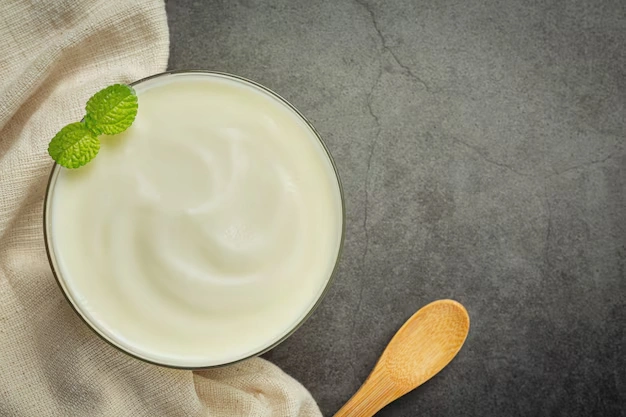
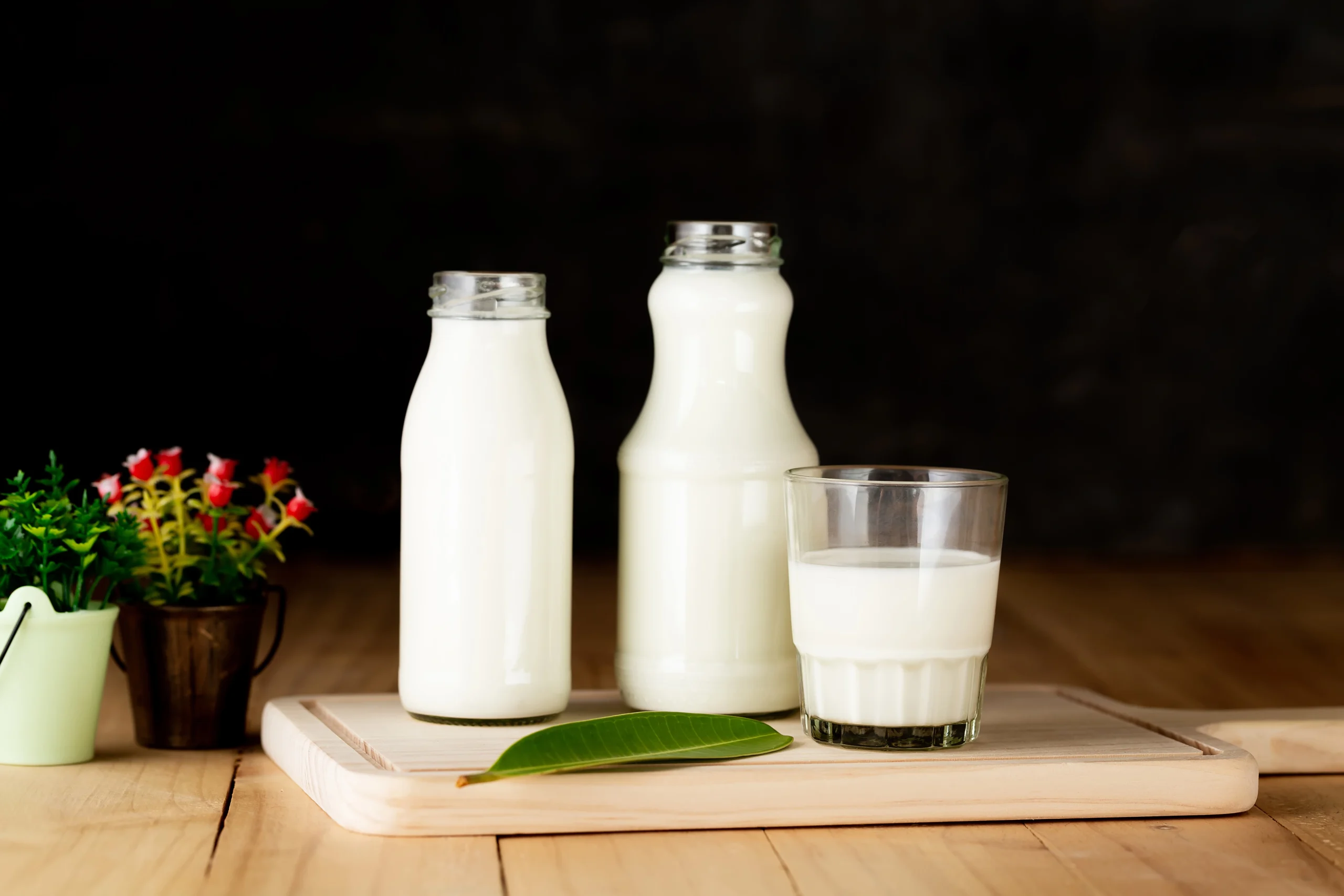
- Color: Creamy white
- Shape: N/A (Liquid)
- Size: Sold in various container sizes, measured by volume.
- Texture: Smooth and fluid with a rich mouthfeel.
Culinary Uses
Whole milk is versatile in the kitchen:
- Common Dishes: Consumed as a beverage, used in cereals, coffee, and tea. Essential in many baking and cooking recipes, including sauces, soups, and desserts.
- Preparation Methods: Can be consumed as is, used as a base for smoothies, or incorporated into recipes directly.
- Suitable Pairings: Complements a wide array of flavors, from sweet dishes like pastries and puddings to savory options like mashed potatoes and creamy soups.
Geographical Information
- Origin: The domestication of cattle and the consumption of milk date back thousands of years, with origins in the Middle East and Europe.
- Primary Growing Regions: Dairy farming is a widespread industry, with major milk production in the United States, India, China, Pakistan, and Brazil.
- Seasonal Availability: Available year-round due to modern dairy farming and processing techniques.
Whole milk, especially when fortified with vitamin D, offers a rich source of nutrition, providing essential fats, proteins, vitamins, and minerals. Its creamy texture and depth of flavor make it a favorite in many households and culinary applications, contributing to both the nutritional value and taste of various dishes.
| proximates | |
| Water | 88.1 g |
| Energy (Atwater General Factors) | 61 kcal |
| Energy (Atwater Specific Factors) | 60 kcal |
| Nitrogen | 0.51 g |
| Protein | 3.27 g |
| Total lipid (fat) | 3.2 g |
| Total fat (NLEA) | 2.77 g |
| Ash | 0.8 g |
| Carbohydrates: | |
| Carbohydrate, by difference | 4.63 g |
| Sugars, Total | 4.81 g |
| Lactose | 4.81 g |
| Minerals: | |
| Calcium, Ca | 123 mg |
| Magnesium, Mg | 11.9 mg |
| Phosphorus, P | 101 mg |
| Potassium, K | 150 mg |
| Sodium, Na | 38 mg |
| Zinc, Zn | 0.42 mg |
| Copper, Cu | 0.001 mg |
| Iodine, I | 37.9 µg |
| Selenium, Se | 1.9 µg |
| Vitamins and Other Components: | |
| Thiamin | 0.056 mg |
| Riboflavin | 0.138 mg |
| Niacin | 0.105 mg |
| Pantothenic acid | 0.362 mg |
| Vitamin B-6 | 0.061 mg |
| Choline, total | 17.8 mg |
| Choline, free | 3 mg |
| Choline, from phosphocholine | 1.3 mg |
| Choline, from phosphotidyl choline | 1.8 mg |
| Choline, from glycerophosphocholine | 10.3 mg |
| Choline, from sphingomyelin | 1.4 mg |
| Betaine | 0.7 mg |
| Vitamin B-12 | 0.54 µg |
| Vitamin A, RAE | 32 µg |
| Retinol | 31 µg |
| Carotene, beta | 7 µg |
| cis-beta-Carotene | 2 µg |
| trans-beta-Carotene | 5 µg |
| Zeaxanthin | 1 µg |
| Vitamin E (alpha-tocopherol) | 0.05 mg |
| Vitamin D (D2 + D3), International Units | 38.4 IU |
| Vitamin D (D2 + D3) | 0.96 µg |
| Vitamin D3 (cholecalciferol) | 0.96 µg |
| Lipids: | |
| Fatty acids, total saturated | 1.86 g |
| SFA 4:0 | 0.067 g |
| SFA 6:0 | 0.054 g |
| SFA 8:0 | 0.034 g |
| SFA 10:0 | 0.084 g |
| SFA 12:0 | 0.097 g |
| SFA 14:0 | 0.303 g |
| SFA 15:0 | 0.032 g |
| SFA 16:0 | 0.857 g |
| SFA 17:0 | 0.018 g |
| SFA 18:0 | 0.309 g |
| SFA 20:0 | 0.004 g |
| SFA 22:0 | 0.002 g |
| SFA 24:0 | 0.001 g |
| Fatty acids, total monounsaturated | 0.688 g |
| MUFA 12:1 | 0.001 g |
| MUFA 14:1 c | 0.024 g |
| MUFA 16:1 c | 0.039 g |
| MUFA 17:1 | 0.005 g |
| MUFA 17:1 c | 0.005 g |
| MUFA 18:1 c | 0.612 g |
| MUFA 20:1 c | 0.004 g |
| Fatty acids, total polyunsaturated | 0.108 g |
| PUFA 18:2 c | 0.097 g |
| PUFA 18:2 n-6 c,c | 0.084 g |
| PUFA 18:2 CLAs | 0.013 g |
| PUFA 18:3 c | 0.013 g |
| PUFA 18:3 n-3 c,c,c (ALA) | 0.012 g |
| PUFA 18:3 n-6 c,c,c | 0.001 g |
| PUFA 20:2 c | 0.001 g |
| PUFA 20:2 n-6 c,c | 0.001 g |
| PUFA 20:3 c | 0.004 g |
| PUFA 20:3 n-6 | 0.004 g |
| PUFA 20:4 | 0.004 g |
| PUFA 20:4c | 0.004 g |
| PUFA 20:5c | 0.001 g |
| PUFA 20:5 n-3 (EPA) | 0.001 g |
| PUFA 22:5 c | 0.002 g |
| PUFA 22:4 | 0.001 g |
| PUFA 22:5 n-3 (DPA) | 0.002 g |
| Fatty acids, total trans | 0.112 g |
| Fatty acids, total trans-monoenoic | 0.095 g |
| TFA 14:1 t | 0.005 g |
| TFA 16:1 t | 0.008 g |
| TFA 18:1 t | 0.082 g |
| Fatty acids, total trans-dienoic | 0.018 g |
| TFA 18:2 t not further defined | 0.018 g |
| Cholesterol | 12 mg |
| Amino acids: | |
| Tryptophan | 0.043 g |
| Threonine | 0.154 g |
| Isoleucine | 0.173 g |
| Leucine | 0.333 g |
| Lysine | 0.298 g |
| Methionine | 0.09 g |
| Phenylalanine | 0.161 g |
| Tyrosine | 0.162 g |
| Valine | 0.207 g |
| Arginine | 0.127 |
| Histidine | 0.097 g |
| Alanine | 0.11 g |
| Aspartic acid | 0.279 g |
| Glutamic acid | 0.788 g |
| Glycine | 0.069 g |
| Proline | 0.333 g |
| Serine | 0.188 g |
| Cysteine | 0.038 g |