
Basic Information
Name: Olive Oil, specifically “Extra Virgin Olive Oil” (EVOO). The scientific name for the olive tree is Olea europaea.
Category: Olive oil is a fruit oil, extracted from the fruit of the olive tree.
Varieties: Olive oil is available in several grades, with Extra Virgin Olive Oil being the highest quality. It is made from pure, cold-pressed olives without the use of heat or chemicals. Other types include Virgin Olive Oil, Refined Olive Oil, and Light Olive Oil, which differ in terms of production process, flavor, and acidity.
Nutritional Information
- Macronutrients: Extra Virgin Olive Oil is high in monounsaturated fats, particularly oleic acid. It contains some polyunsaturated fats and a small amount of saturated fats.
- Micronutrients: EVOO is rich in antioxidants, including vitamin E (tocopherols), vitamin K, and polyphenols like hydroxytyrosol, tyrosol, and oleocanthal. These compounds offer various health benefits, including anti-inflammatory and anti-oxidative effects.
Phytonutrients
Extra Virgin Olive Oil (EVOO) is highly celebrated for its nutritional profile, particularly its richness in beneficial phytonutrients that contribute to its health-promoting properties. These compounds include a variety of antioxidants and anti-inflammatory agents that have been linked to numerous health benefits, ranging from reduced risk of heart disease to improved metabolic health. Here’s an overview of the key phytonutrients found in Extra Virgin Olive Oil:
1. Polyphenols
- Hydroxytyrosol and Tyrosol: Potent antioxidants that protect cells from oxidative damage and may improve heart health by preventing LDL cholesterol from oxidation.
- Oleocanthal: Has anti-inflammatory properties similar to ibuprofen, which may help reduce pain and inflammation.
- Oleuropein: Contributes to the bitter taste of EVOO and has antioxidant, anti-inflammatory, and disease-fighting properties.
2. Tocopherols (Vitamin E)
- Antioxidant Role: Vitamin E is a fat-soluble antioxidant that helps protect the body from oxidative stress and supports skin health and immune function.
3. Phytosterols
- Beta-Sitosterol: The most abundant phytosterol in EVOO, known for its cholesterol-lowering effects and potential to improve prostate health.
4. Squalene
- Skin Health: A unique antioxidant found abundantly in EVOO, squalene is noted for its skin-protective properties and may contribute to the oil’s moisturizing effects.
Health Benefits
The phytonutrients in Extra Virgin Olive Oil contribute to a wide range of health benefits:
- Cardiovascular Health: The polyphenols and monounsaturated fats in EVOO are known to improve heart health by lowering blood pressure, reducing cholesterol levels, and decreasing inflammation.
- Antioxidant Protection: The antioxidants in EVOO, including polyphenols and vitamin E, protect against oxidative stress, reducing the risk of chronic diseases such as cancer and Alzheimer’s disease.
- Anti-inflammatory Effects: Oleocanthal and other compounds in EVOO have anti-inflammatory properties, which may help reduce the risk of chronic inflammatory diseases.
Considerations
Extra Virgin Olive Oil’s health benefits are maximized when it is fresh, as exposure to light, heat, and air can degrade its phytonutrients. To preserve its nutritional content and flavor, it’s best stored in a dark, cool place and used within a few months of opening.
Including Extra Virgin Olive Oil in a balanced diet, particularly as a replacement for saturated fats, can contribute significantly to overall health and well-being, leveraging its rich array of phytonutrients to support various aspects of health.

Calorie Count and Glycemic Index
- Calorie Count: Approximately 884 calories per 100 grams, or about 120 calories per tablespoon (13.5 grams).
- Glycemic Index: As a pure fat source, Extra Virgin Olive Oil has no carbohydrates and therefore no glycemic index value.
Physical Characteristics
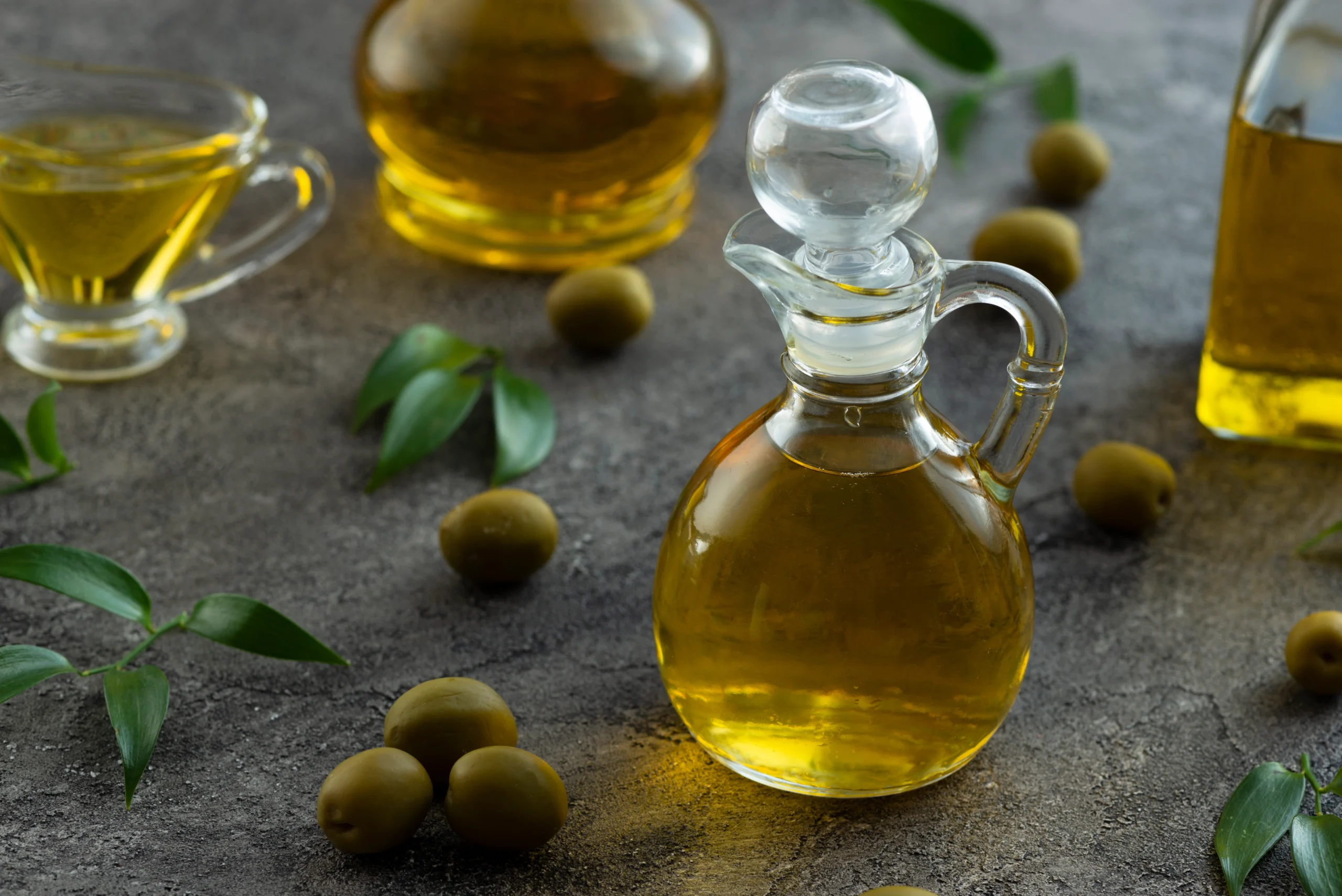
- Color: Green to golden yellow, depending on the olive variety and ripeness at the time of pressing.
- Shape: As a liquid, it assumes the shape of its container.
- Size: Available in various bottle sizes, from small, decorative bottles to larger cans and tins.
- Texture: EVOO has a smooth, viscous texture with a rich mouthfeel.
Culinary Uses
- Common Dishes: Extra Virgin Olive Oil is prized for its robust flavor and is used in salads, for dressing, dipping bread, drizzling over dishes, and in low- to medium-heat cooking. It’s a staple in Mediterranean cuisine.
- Preparation Methods: Best used fresh and can be applied to dishes after cooking to preserve its flavor and nutritional value. It has a lower smoke point than refined oils, making it less suitable for high-heat cooking.
- Suitable Pairings: EVOO pairs well with a wide variety of foods, including vegetables, bread, pasta, salads, and cheeses. Its rich flavor enhances the taste of both raw and cooked dishes.
Geographical Information
- Origin: The olive tree, Olea europaea, is native to the Mediterranean region, where olive oil has been produced for thousands of years.
- Primary Growing Regions: The leading producers of Extra Virgin Olive Oil are Mediterranean countries, notably Spain, Italy, and Greece, with significant production also coming from Tunisia, Turkey, and Portugal.
- Seasonal Availability: Olive oil is available year-round. Olives are harvested in the late fall to early winter, and the oil is pressed soon after to maximize freshness and quality.
| proximates: | |
| Total fat (NLEA) | 93.7 g |
| Lipids: | |
| Fatty acids, total saturated | 15.4 g |
| SFA 14:0 | 0.013 g |
| SFA 15:0 | 0.006 g |
| SFA 16:0 | 12.1 g |
| SFA 17:0 | 0.081 g |
| SFA 18:0 | 2.59 g |
| SFA 20:0 | 0.411 g |
| SFA 21:0 | 0.014 g |
| SFA 22:0 | 0.118 g |
| SFA 24:0 | 0.062 g |
| Fatty acids, total monounsaturated | 69.2 g |
| MUFA 16:1 c | 1.03 g |
| MUFA 18:1 c | 67.8 g |
| MUFA 20:1 c | 0.276 g |
| Fatty acids, total polyunsaturated | 9.07 g |
| PUFA 18:2 c | 8.4 g |
| PUFA 18:2 n-6 c,c | 8.4 g |
| PUFA 18:3 c | 0.651 g |
| PUFA 18:3 n-3 c,c,c (ALA) | 0.651 g |
| Phytosterols: | |
| Stigmasterol | 1.02 mg |
| Campesterol | 5.68 mg |
| Beta-sitosterol | 126 mg |
| Beta-sitostanol | 2.55 mg |
| Delta-5-avenasterol | 23.1 mg |
| Phytosterols, other | 26.9 mg |