


Basic Information
- Name: Tomato, Grape Tomato
- Scientific Name: Solanum lycopersicum var. cerasiforme
- Category: Fruit (botanically), commonly used as a vegetable
- Varieties: Grape tomatoes are a specific variety of cherry tomatoes. Other varieties include Roma, Beefsteak, Heirloom, and Cherry tomatoes.
Nutritional Information (per 100g of raw grape tomatoes)
- Macronutrients:
- Carbohydrates: 5.8g
- Proteins: 1.1g
- Fats: 0.2g
- Micronutrients:
- Vitamin C: 16mg (18% DV)
- Vitamin A: 42µg (5% DV)
- Vitamin K: 7.9µg (7% DV)
- Folate: 15µg (4% DV)
- Potassium: 290mg (6% DV)
- Manganese: 0.1mg (5% DV)
Phytonutrients
1. Lycopene
- Category: Carotenoid
- Benefits: Powerful antioxidant that helps protect cells from damage, may reduce the risk of certain cancers, particularly prostate cancer, and supports heart health by reducing LDL cholesterol levels.
- Concentration: High; grape tomatoes are a rich source of lycopene, contributing to their red color.
2. Beta-Carotene
- Category: Carotenoid
- Benefits: Precursor to Vitamin A, supports eye health, immune function, and skin health, and acts as an antioxidant.
- Concentration: Moderate; provides some of the red-orange pigment.
3. Lutein and Zeaxanthin
- Category: Carotenoids
- Benefits: Important for eye health, help filter harmful high-energy blue wavelengths of light and protect and maintain healthy cells in the eyes.
- Concentration: Low to moderate; present in smaller amounts compared to lycopene and beta-carotene.
4. Chlorogenic Acid
- Category: Phenolic acid
- Benefits: Antioxidant properties, may help lower blood pressure, and has potential anti-inflammatory effects.
- Concentration: Moderate; contributes to the overall antioxidant capacity of the tomatoes.
5. Naringenin
- Category: Flavonoid
- Benefits: Antioxidant and anti-inflammatory properties, may support cardiovascular health and exhibit anti-cancer activities.
- Concentration: Moderate; found in the skin of the tomatoes.
6. Quercetin
- Category: Flavonoid
- Benefits: Potent antioxidant, may help reduce inflammation, support heart health, and provide anti-allergic and antiviral effects.
- Concentration: Low to moderate; contributes to the overall health benefits of grape tomatoes.
7. Kaempferol
- Category: Flavonoid
- Benefits: Antioxidant, anti-inflammatory, may help in reducing the risk of chronic diseases such as heart disease and cancer.
- Concentration: Low; present in smaller quantities compared to other flavonoids.
8. Esculeoside A
- Category: Saponin
- Benefits: Potential anti-inflammatory and anti-cancer properties, may support immune function.
- Concentration: Low; specific to tomatoes.
These phytonutrients collectively contribute to the health benefits associated with consuming grape tomatoes. They are mainly recognized for their antioxidant properties, which help combat oxidative stress and inflammation, supporting overall health and reducing the risk of chronic diseases.
Calorie Count and Glycemic Index
- Calorie Count: 27 kcal
- Glycemic Index: Approximately 15 (low)
Physical Characteristics
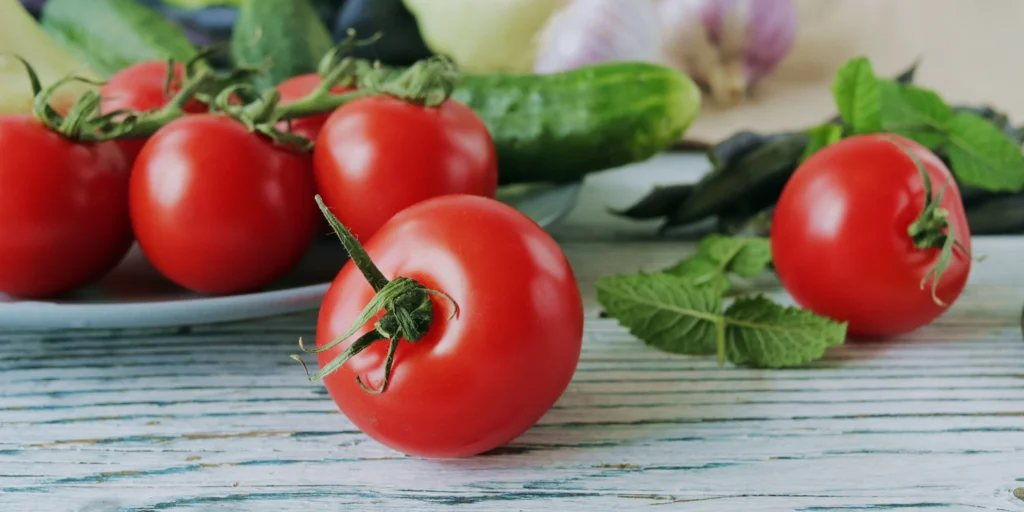
- Color: Bright red when ripe, can also be yellow or orange in some varieties.
- Shape: Oval or oblong, similar to a grape.
- Size: Small, typically around 1-3 cm in diameter.
- Texture: Smooth, firm skin with juicy, slightly crunchy flesh.
Culinary Uses
- Common Dishes: Salads, salsas, pasta dishes, stir-fries, and skewers.
- Preparation Methods: Can be eaten raw, roasted, grilled, or sautéed. Often used whole or halved.
- Suitable Pairings: Basil, mozzarella, balsamic vinegar, olive oil, garlic, onions, and leafy greens.
Geographical Information
- Origin: Native to South America, particularly the Andean region (modern-day Peru, Bolivia, Chile, Ecuador).
- Primary Growing Regions: Predominantly grown in the United States, Mexico, Italy, and China.
- Seasonal Availability: Available year-round in most regions due to greenhouse production, peak season in the Northern Hemisphere is summer through early fall (June to October).
| Proximates: | |
| Water | 87.3 g |
| Energy (Atwater General Factors) | 48 kcal |
| Energy (Atwater Specific Factors) | 42 kcal |
| Nitrogen | 0.18 g |
| Protein | 1.15 g |
| Total lipid (fat) | 0.17 g |
| Ash | 0.86 g |
| Carbohydrates: | |
| Carbohydrate, by difference | 10.5 g |
| Fiber, total dietary | 2 g |
| Minerals: | |
| Calcium, Ca | 22 mg |
| Iron, Fe | 0.21 mg |
| Magnesium, Mg | 15 mg |
| Phosphorus, P | 27 mg |
| Potassium, K | 329 mg |
| Sodium, Na | <2.5 mg |
| Zinc, Zn | 0.19 mg |
| Copper, Cu | 0.073 mg |
| Manganese, Mn | 0.075 mg |