


Basic Information
- Common Name: Gala Apple
- Scientific Name: Malus domestica ‘Gala’
- Category: Fruit
- Varieties: There are several strains of Gala apples, including Royal Gala and Imperial Gala.
Nutritional Information (per 100g serving)
- Macronutrients:
- Carbohydrates: Approximately 14g
- Protein: About 0.13g
- Fat: About 0.15g
- Micronutrients:
- Thiamin: 0.011mg
- Riboflavin: 0.069mg
- Niacin: 0.089mg
- Vitamin B-6: 0.032mg
- Folate, total: 1µg
- Calcium, Ca: 7mg
- Iron, Fe: 0.06mg
- Magnesium, Mg: 4.9mg
- Phosphorus, P: 8mg
- Potassium, K: 106mg
- Zinc, Zn: 0.02mg
- Copper, Cu: 0.034mg
- Manganese Mn: 0.04mg
- Calorie Count: About 52 kcal
- Glycemic Index: Generally low, typically around 30-40
- Phytonutrients:
Gala apples, similar to other apple varieties, are rich in a variety of phytonutrients that contribute to their health benefits. These phytonutrients are responsible for some of the key health-promoting properties of apples. Below is an overview of the main phytonutrients found in raw Gala apples with skin:
1. Flavonoids
- Quercetin: Known for its antioxidant and anti-inflammatory effects.
- Catechin: Offers antioxidant benefits and may improve heart health.
- Epicatechin: Associated with heart health and improved blood vessel function.
2. Anthocyanins (in red-skinned varieties like Gala)
- Contribute to the red color of the skin and have antioxidant properties.
3. Chlorogenic Acid
- A polyphenol that may help lower blood sugar levels and contribute to weight management.
4. Phloridzin
- Unique to apples, it’s thought to have potential benefits for bone health and may reduce the risk of certain chronic diseases.
5. Triterpenoids (predominantly in the skin)
- These compounds are studied for their potential anti-cancer properties.
6. Procyanidins
- Linked to heart health and may have anti-cancer effects.
7. Vitamin C
- An essential nutrient and antioxidant that supports immune function and skin health.
8. Boron
- A mineral in apples that is beneficial for bone health.
9. Dietary Fiber
- Including both soluble and insoluble fiber, such as pectin, which is beneficial for digestive health and can help lower cholesterol levels.
Health Benefits of Phytonutrients in Gala Apples:
- Antioxidant Effects: The various flavonoids and Vitamin C in Gala apples help neutralize free radicals, reducing oxidative stress and potentially lowering the risk of chronic diseases.
- Heart Health: Certain phytonutrients like catechin and procyanidins are associated with a reduced risk of cardiovascular diseases.
- Anti-inflammatory Properties: Compounds like quercetin can help reduce inflammation in the body.
- Support for Bone Health: Elements like phloridzin and boron are beneficial for maintaining bone density and overall bone health.
- Glycemic Control: Chlorogenic acid and dietary fiber can have a positive impact on blood sugar levels, making them beneficial for individuals managing diabetes.
It’s important to note that while these phytonutrients contribute to the overall health benefits of Gala apples, a balanced diet incorporating a variety of fruits and vegetables is crucial for obtaining a wide spectrum of nutrients and phytochemicals for optimal health.
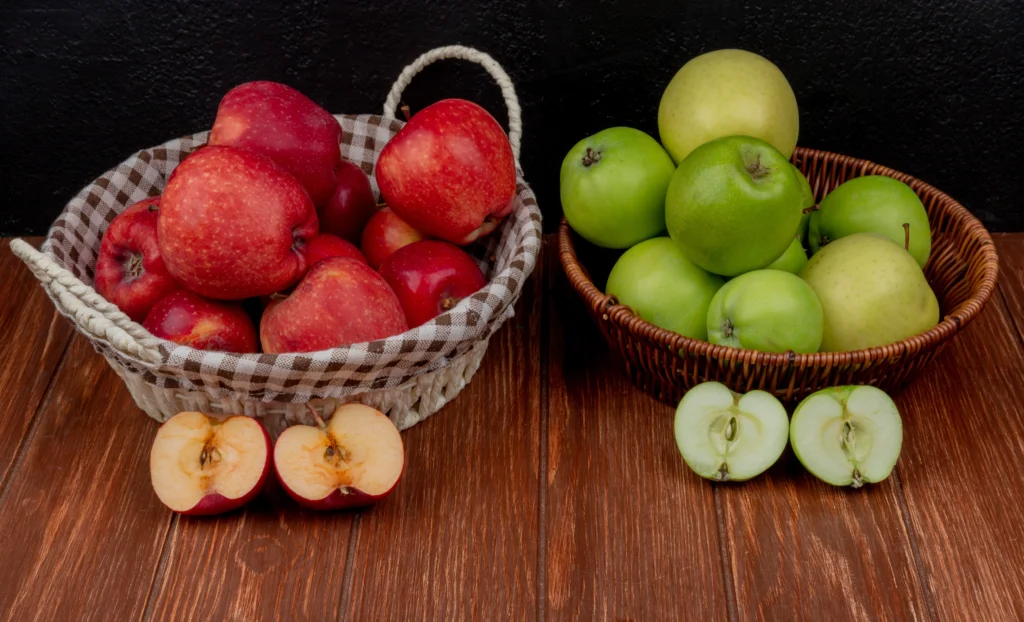
Physical Characteristics
- Color: Bright red with yellow streaks.
- Shape: Conical to round shape.
- Size: Medium-sized, generally around 2-3 inches in diameter.
- Texture: Crisp, firm flesh with a sweet and slightly tart taste.
Culinary Uses
- Common Dishes: Often eaten fresh, used in fruit salads, and suitable for baking and making apple sauce.
- Preparation Methods: Can be consumed raw, baked, or cooked. Ideal for snacks and lunchboxes due to their sweet flavor and firm texture.
- Suitable Pairings: Pairs well with cheese, nuts, and in green salads. Complements both sweet and savory dishes.
Geographical Information
- Origin: Developed in New Zealand in the 1930s by orchardist J.H. Kidd.
- Primary Growing Regions: Widely cultivated in the United States, New Zealand, Australia, Europe, and Chile.
- Seasonal Availability: Harvested in the late summer to early fall, but typically available year-round.
Gala apples are known for their sweet taste and are one of the most widely consumed apple varieties in the world. They are particularly popular as a fresh-eating apple due to their sweetness and crisp texture.
| Proximates: | |
| Water | 84.6g |
| Energy (Atwater General Factors) | 61kcal |
| Energy (Atwater Specific Factors) | 55kcal |
| Nitrogen | 0.02g |
| Protein | 0.13g |
| Total lipid (fat) | 0.15g |
| Ash | 0.3g |
| Carbohydrates: | |
| Carbohydrate, by difference | 14.8g |
| Carbohydrate, by summation | 13.9g |
| Fiber, total dietary | 2.1g |
| Sugars, Total | 11.8g |
| Total Sugars | 11.8g |
| Sucrose | 2.06g |
| Glucose | 2.01g |
| Fructose | 7.76g |
| Lactose | <0.15g |
| Maltose | <0.15g |
| Minerals: | |
| Calcium, Ca | 7mg |
| Iron, Fe | 0.06mg |
| Magnesium, Mg | 4.9mg |
| Phosphorus, P | 8mg |
| Potassium, K | 106mg |
| Sodium, Na | 0mg |
| Zinc, Zn | 0.02mg |
| Copper, Cu | 0.034mg |
| Manganese, Mn | 0.04mg |
| Vitamins and Other Components: | |
| Thiamin | 0.011mg |
| Riboflavin | 0.069mg |
| Niacin | 0.089mg |
| Vitamin B-6 | 0.032mg |
| Folate, total | 1µg |