

Cannellini beans, valued for their creamy texture and versatile culinary use, are a staple in various cuisines. Here’s an in-depth look at dry cannellini beans:
Basic Information
- Name: Cannellini Beans (Dry)
- Scientific Name: Phaseolus vulgaris
- Category: Legume (Vegetable)
- Varieties: Cannellini beans are a type of white bean, similar to but larger than navy beans and Great Northern beans. They are known for their large, kidney-shaped appearance and are a specific variety within the broader category of white beans.
Nutritional Information
- Macronutrients:
- Carbohydrates: About 59.8g per 100g, with a significant portion being dietary fiber (about 25% of total carb content).
- Proteins: Approximately 21.6g per 100g, making them a high-protein plant food.
- Fats: Low fat, with around 2.2g per 100g.
- Micronutrients:
- Vitamins: Good source of B vitamins, especially folate (B9).
- Minerals: Rich in minerals such as magnesium, potassium, iron, zinc, and calcium.
Phytonutrients
Dry cannellini beans, like other legumes, are not only a good source of essential nutrients but also rich in various phytonutrients. These compounds contribute to the health benefits associated with consuming cannellini beans, offering antioxidant, anti-inflammatory, and potentially anti-carcinogenic properties. Here’s a detailed look at the phytonutrients present in dry cannellini beans:
Phytonutrients in Dry Cannellini Beans
- Phenolic Compounds:
- Cannellini beans are rich in phenolic acids, including ferulic acid, caffeic acid, and p-coumaric acid, which have antioxidant properties. These compounds help neutralize free radicals, reducing oxidative stress and the risk of chronic diseases.
- Flavonoids:
- They contain flavonoids such as kaempferol and quercetin, known for their anti-inflammatory and heart health benefits. Flavonoids can improve endothelial function and lower blood pressure.
- Saponins:
- Saponins are present in cannellini beans, offering a range of health benefits from cholesterol reduction to immune system support. Their structure allows them to bind to bile acids and cholesterol, helping to lower blood cholesterol levels.
- Tannins:
- Although tannins can inhibit iron absorption, they also possess antioxidant properties. The tannin content in cannellini beans contributes to their overall health benefits, particularly in terms of preventing oxidative damage.
- Resistant Starch:
- While not a phytonutrient, resistant starch is significant for its prebiotic effects, feeding beneficial gut bacteria and promoting a healthy gut microbiome. Dry cannellini beans contain a notable amount of resistant starch, especially when cooked and then cooled.
- Isoflavones:
- Cannellini beans contain isoflavones, a class of phytoestrogens that have been studied for their potential role in reducing the risk of certain cancers, heart disease, and osteoporosis.
Health Implications
The phytonutrients in dry cannellini beans contribute to several health benefits:
- Antioxidant Activity: The phenolic compounds and flavonoids in cannellini beans help protect against oxidative stress, which is linked to chronic diseases such as heart disease and cancer.
- Anti-inflammatory Effects: Flavonoids like quercetin can reduce inflammation, potentially lowering the risk of inflammatory conditions.
- Heart Health: Saponins and flavonoids support cardiovascular health by improving lipid profiles and endothelial function.
- Gut Health: The prebiotic effects of resistant starch foster a healthy gut environment, supporting overall digestive health.
Considerations
While cannellini beans are a nutritious food choice rich in phytonutrients, it’s essential to prepare them properly. Soaking and cooking dry beans can reduce the content of certain antinutrients like phytates and tannins, enhancing the bioavailability of minerals and phytonutrients. Incorporating cannellini beans into a balanced diet can offer a variety of health benefits, contributing to a diverse and nutrient-rich diet.
- Calorie Count: Around 333 calories per 100g (dry weight).
- Glycemic Index: Low; typically around 31, beneficial for blood sugar control.
Physical Characteristics
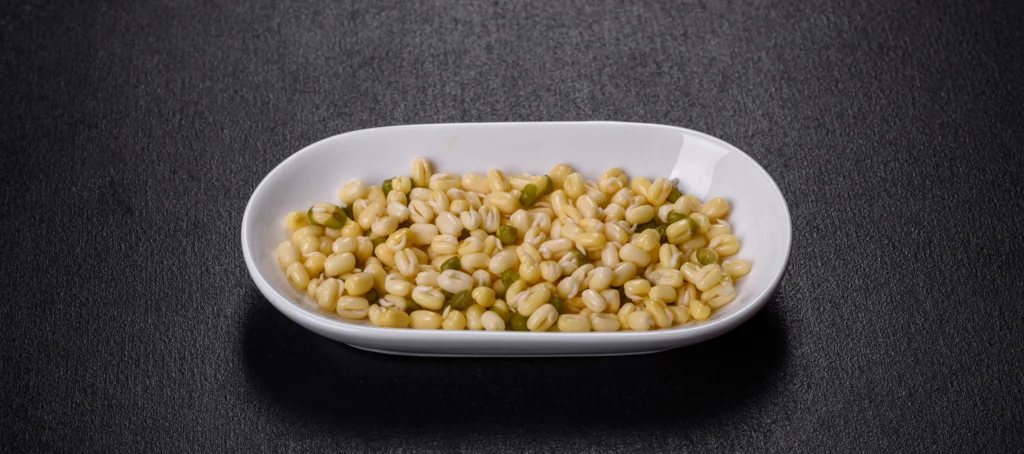
- Color: White to off-white.
- Shape: Kidney-shaped, with a slight curve.
- Size: Larger than many other white beans, about 1/2 to 3/4 inch long when dried.
- Texture: Hard and dense when dry, becoming soft and creamy once cooked.
Culinary Uses
- Common Dishes: Integral to Italian cuisine, used in dishes like minestrone soup, pasta e fagioli, and as a side with tuna. Also popular in salads, stews, and as a mash.
- Preparation Methods: Require soaking before cooking to reduce cooking time and improve digestibility. Can be boiled, simmered, or used in slow-cooked dishes.
- Suitable Pairings: Pairs well with rosemary, garlic, sage, tomatoes, and leafy greens. Excellent in dishes with pork, poultry, or fish.
Geographical Information
- Origin: Thought to have originated in South America, with Italy playing a significant role in popularizing cannellini beans in European cuisine.
- Primary Growing Regions: Widely cultivated in Italy, the United States (especially in California and Michigan), and parts of Argentina.
- Seasonal Availability: As a dry product, cannellini beans are available year-round, with storage extending their shelf life significantly.
Dry cannellini beans are prized for their nutritional benefits, including high protein and fiber content, which support heart health and digestive well-being. Their low glycemic index makes them an excellent choice for maintaining steady blood sugar levels. Culinary-wise, they offer a versatile base for a range of dishes, absorbing flavors well while contributing a creamy texture.
| Proximates | |
| Water | 12.3g |
| Energy (Atwater General Factors) | 345kcal |
| Energy (Atwater Specific Factors) | 337kcal |
| Nitrogen | 3.45g |
| Protein | 21.6g |
| Total lipid (fat) | 2.2g |
| Ash | 4.14g |
| Carbohydrates: | |
| Carbohydrate, by difference | 59.8g |
| Starch | 29.9g |
| Minerals: | |
| Calcium, Ca | 143mg |
| Iron, Fe | 6.67mg |
| Magnesium, Mg | 154mg |
| Phosphorus, P | 412mg |
| Potassium, K | 1420mg |
| Sodium, Na | <2.5mg |
| Zinc, Zn | 2.72mg |
| Copper, Cu | 0.742mg |
| Manganese, Mn | 1.78mg |