
Dry cranberry beans, known for their distinctive appearance and nutritional value, are a versatile and healthful addition to many diets. Here’s a comprehensive overview:
Basic Information
- Name: Cranberry Beans (Dry)
- Scientific Name: Phaseolus vulgaris
- Category: Legume (Vegetable)
- Varieties: Often referred to as Borlotti beans in Italy or Roman beans, cranberry beans are part of the larger family of kidney beans but are recognized for their unique flavor and texture.
Nutritional Information
- Macronutrients:
- Carbohydrates: Approximately 60g per 100g, with a significant portion being dietary fiber (about 15g).
- Proteins: Roughly 24.4g per 100g, providing a substantial plant-based protein source.
- Fats: Minimal, generally less than 1.23g per 100g.
- Micronutrients:
- Vitamins: Good source of folate (B9), and contains vitamins B1 (thiamine) and B6 (pyridoxine).
- Minerals: Rich in minerals like potassium, magnesium, iron, phosphorus, and zinc.
Phytonutrients
Dry cranberry beans, like other legumes, are rich in a variety of phytonutrients that contribute to their health benefits, offering antioxidant, anti-inflammatory, and potential disease-preventing properties. Here’s a detailed look at the key phytonutrients found in dry cranberry beans:
Phytonutrients in Dry Cranberry Beans
- Phenolic Compounds:
- Cranberry beans are abundant in phenolic acids, notably ferulic acid, caffeic acid, and p-coumaric acid, which are known for their antioxidant capabilities. These compounds help neutralize harmful free radicals, reducing oxidative stress and potentially lowering the risk of chronic diseases.
- Flavonoids:
- They contain flavonoids such as kaempferol and quercetin, which have been shown to have anti-inflammatory and antioxidant effects. These substances can contribute to the prevention of certain health conditions and support overall well-being.
- Saponins:
- Saponins found in cranberry beans have been recognized for their immune-boosting properties and ability to lower blood cholesterol levels. They also exhibit antioxidant and anti-inflammatory benefits, further contributing to the beans’ health-promoting properties.
- Tannins:
- Cranberry beans contain tannins, phytonutrients that possess astringent properties and contribute to the beans’ antioxidant activity. Tannins may also have antimicrobial and anti-parasitic effects.
- Phytosterols:
- These beans are a source of phytosterols, plant compounds that can contribute to lowering cholesterol levels in the blood, supporting cardiovascular health.
- Resistant Starch:
- Not technically a phytonutrient but worth mentioning for its prebiotic effects, resistant starch in cranberry beans feeds beneficial gut bacteria, improving gut health. This type of starch may also aid in regulating blood sugar and providing a sense of fullness.
Health Implications
The phytonutrients in dry cranberry beans offer several health benefits:
- Antioxidant and Anti-inflammatory Effects: The blend of phenolic compounds and flavonoids in cranberry beans helps mitigate inflammation and protect the body against oxidative stress.
- Heart Health: The presence of saponins and phytosterols supports cardiovascular health by improving lipid profiles and lowering cholesterol levels.
- Digestive Health: The prebiotic effects of resistant starch promote a healthy gut microbiome, essential for overall digestive health.
Considerations
Cranberry beans are highly nutritious and incorporating them into a balanced and varied diet is essential to maximize their health benefits. Proper preparation by soaking and cooking can enhance the bioavailability of these phytonutrients and reduce antinutrients that might inhibit mineral absorption.
- Calorie Count: Around 335 calories per 100g.
- Glycemic Index: Low to medium, approximately 29-38, beneficial for maintaining stable blood sugar levels.
Physical Characteristics
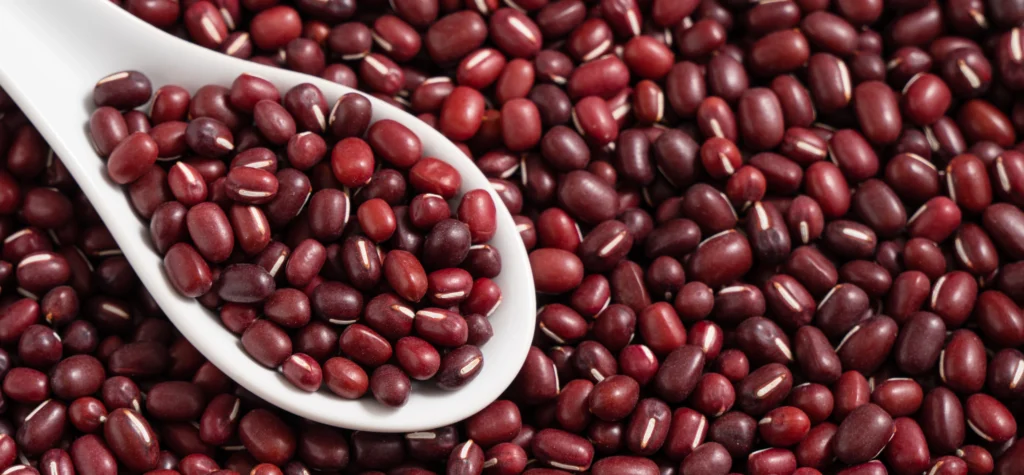
- Color: Creamy background speckled with red or cranberry-colored spots, which fade after cooking.
- Shape: Oval and slightly curved, similar to other kidney beans.
- Size: Medium-sized, about 1/2 to 5/8 inch in length.
- Texture: When cooked, they offer a creamy texture with a mild, slightly sweet, and nutty flavor.
Culinary Uses
- Common Dishes: Featured in Italian cuisine, particularly in minestrone and pasta dishes. Also popular in soups, stews, salads, and as a side dish.
- Preparation Methods: Require soaking prior to cooking to reduce overall cooking time and improve digestibility. Can be boiled, simmered, or used in slow cooker and pressure cooker recipes.
- Suitable Pairings: Pairs well with robust flavors such as rosemary, garlic, and sage. Excellent with meats like pork and poultry, as well as with grains and vegetables.
Geographical Information
- Origin: Native to Colombia and has been cultivated for centuries throughout the Americas before spreading to Europe and beyond.
- Primary Growing Regions: Widely cultivated in Italy, where they are known as Borlotti beans, as well as in the United States, particularly in areas with warm climates.
- Seasonal Availability: As a dry product, cranberry beans are available year-round, providing a sustainable source of nutrition.
Dry cranberry beans are not only valued for their appealing appearance and flavor but also for their health benefits. They are a rich source of protein, fiber, and essential nutrients, supporting heart health, digestive well-being, and contributing to a balanced diet. Their low glycemic index makes them a suitable choice for those managing blood sugar levels, offering a nutritious option for a variety of culinary applications.
| Proximates: | |
| Water | 0g |
| Prorteins | 24.4g |
| Total lipid (fat) | 1.23g |
| Carbohydrates: | |
| Fiber, total dietary | 4.3g |
| Starch | 36.3g |
| Minerals: | |
| Calcium, Ca | 152mg |
| Iron, Fe | 5.26mg |
| Magnesium, Mg | 166mg |
| Phosphorus, P | 487mg |
| Potassium, K | 1340mg |
| Zinc, Zn | 3.03mg |
| Copper, Cu | 0.757mg |
| Manganese, Mn | 1.78mg |
| Sulfur, S | 198mg |
| Nickel, Ni | 77.5µg |
| Molybdenum, Mo | 672µg |
| Cobalt, Co | 30.2µg |
| Boron, B | 1130µg |