
Basic Information
- Name (Common): Provolone Cheese, Sliced
- Scientific: Not applicable, as this is a type of cheese, not a plant or animal species.
- Category: Dairy product, Cheese.
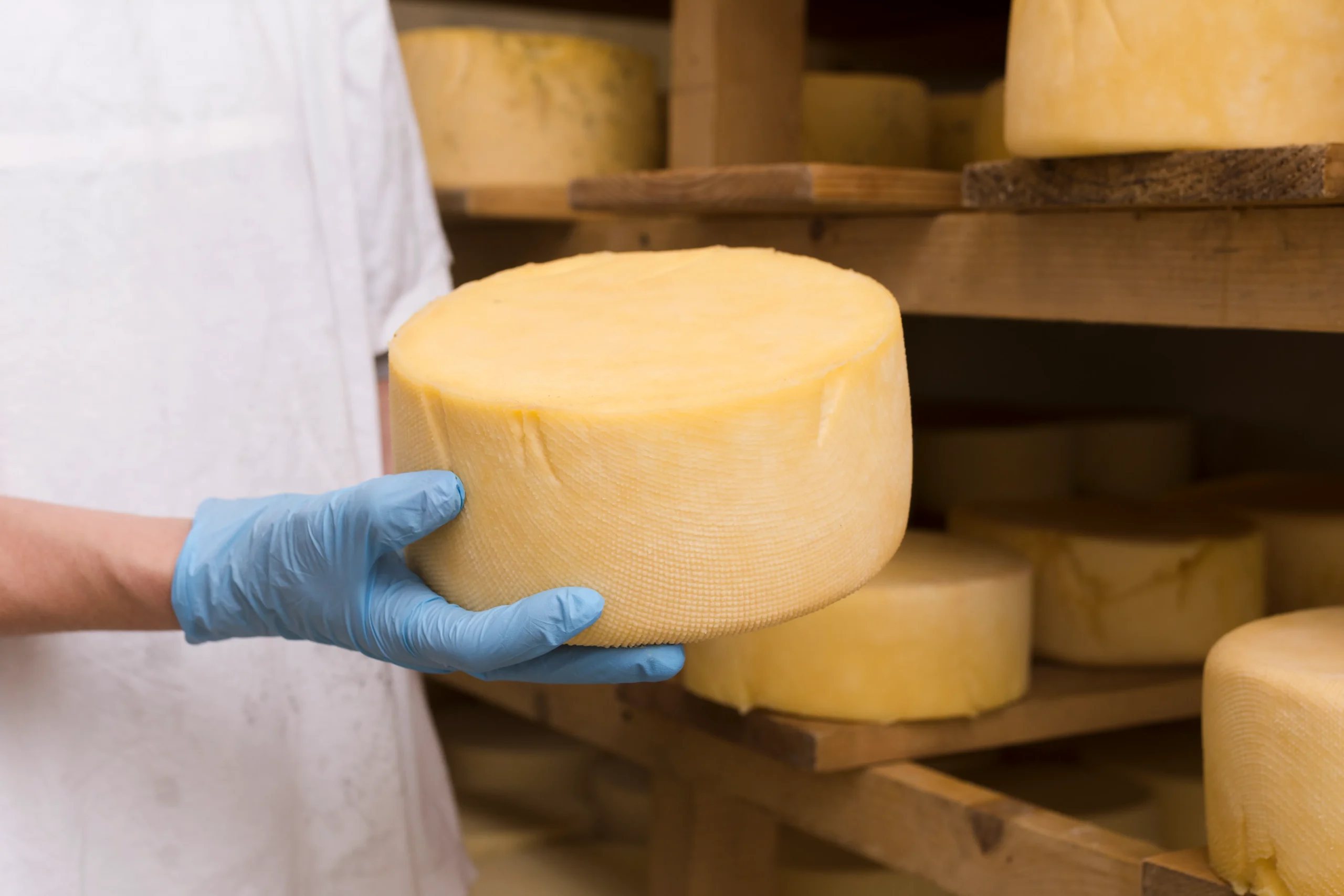
- Varieties: Provolone cheese comes in two main varieties based on the aging process: Provolone Dolce (sweet) which is aged for 2-3 months, and Provolone Piccante (sharp) which is aged for 4 months to over a year. The cheese can be smoked or unsmoked.
Nutritional Information
Macronutrients
- Carbohydrates: Very low, typically less than 1 gram per 100 grams, as it is mainly composed of milk proteins and fats.
- Proteins: High, about 25 grams per 100 grams, making it a good source of complete protein.
- Fats: Around 25-30 grams per 100 grams, with a mix of saturated and monounsaturated fats.
Micronutrients
- Rich in calcium, important for bone health.
- Contains phosphorus, which works with calcium to strengthen bones and teeth.
- Provides vitamins such as A, B12, and riboflavin (B2), and minerals like zinc.
phytonutrients
Provolone cheese, including its sliced form, is not typically discussed in terms of phytonutrients because it is a dairy product, and phytonutrients are compounds associated with plant-based foods. However, like other dairy products, provolone cheese contains a variety of bioactive compounds and nutrients that contribute to its nutritional profile and potential health benefits. Here are some of the bioactive compounds and nutrients found in provolone cheese:
Bioactive Compounds and Nutrients in Sliced Provolone Cheese
- Conjugated Linoleic Acid (CLA): Provolone cheese contains CLA, a type of fatty acid known for its potential health benefits, including anti-carcinogenic, anti-inflammatory, and metabolism-enhancing effects. The CLA content in dairy products can vary depending on the diet of the cows that produced the milk.
- Butyric Acid: This is a short-chain fatty acid found in dairy fat that has been associated with health benefits for the gut, including promoting the health of the intestinal lining and having anti-inflammatory effects.
- Bioactive Peptides: During the cheese-making process, proteins in milk are broken down into peptides that can have beneficial health effects, such as antimicrobial, antihypertensive, and immune-modulatory activities. These peptides are released during digestion.
- Vitamin K2 (Menaquinone): Fermented dairy products like cheese are a source of Vitamin K2, which plays a crucial role in bone health and cardiovascular health. The fermentation process that cheese undergoes can increase the Vitamin K2 content.
Considerations
- Micronutrients: While not phytonutrients, it’s worth noting that provolone cheese is a good source of calcium, phosphorus, and vitamins like A and B12, which are essential for bone health, metabolism, and maintaining vision and skin health.
- Fat-Soluble Vitamins: Dairy products, including cheese, provide fat-soluble vitamins such as vitamins A, D (in fortified products), and E, contributing to a wide range of bodily functions from immune response to skin health.
While provolone cheese and other dairy products do not contain phytonutrients in the same way that plant-based foods do, the bioactive compounds, fatty acids, and peptides present in them offer various health benefits. These components, along with the rich content of essential nutrients, make cheese like provolone a valuable part of a balanced diet. However, due to its high saturated fat and sodium content, it should be consumed in moderation.
Calorie Count and Glycemic Index
- Calorie Count: Approximately 350-400 calories per 100 grams.
- Glycemic Index: Very low, essentially negligible due to its minimal carbohydrate content.
Physical Characteristics
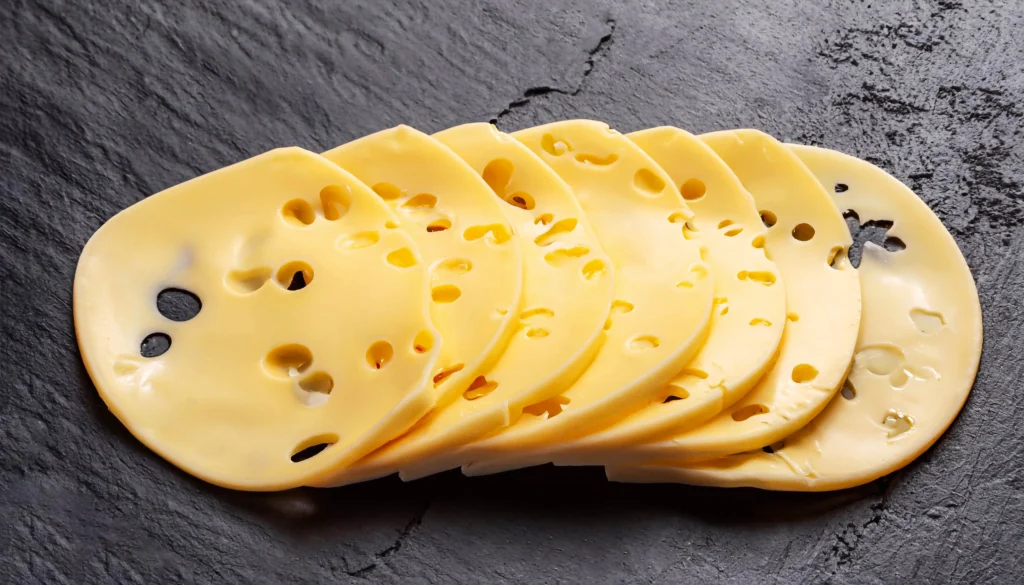
- Color: Pale yellow to golden, depending on age and whether it is smoked.
- Shape: Typically comes in large cylinders or rounds; sliced provolone is circular or semicircular, depending on how it’s cut.
- Size: Slices are usually thin to medium thickness, designed for easy use in sandwiches and dishes.
- Texture: Smooth, can range from semi-soft to firm depending on the age. Provolone Dolce is softer and milder, while Provolone Piccante is harder and has a more pronounced flavor.
Culinary Uses
- Common Dishes: Widely used in sandwiches, on pizzas, in pasta dishes, and as part of antipasto platters. It melts well, making it suitable for grilled cheese sandwiches, paninis, and baked dishes.
- Preparation Methods: Can be eaten as is or melted. It’s also commonly used in layers in casseroles or shredded on top of dishes before baking.
- Suitable Pairings: Pairs well with tomatoes, basil, and olive oil in Italian cuisine. It complements a wide range of wines, from light whites to robust reds, depending on its age and flavor intensity.
Geographical Information
- Origin: Italy, with a history dating back to the Roman times.
- Primary Growing Regions: Originally from Southern Italy, it is now produced in various regions of Italy and around the world, including the United States.
- Seasonal Availability: Available year-round, with consistent quality and supply.
Provolone cheese, especially when sliced, offers convenience for culinary use, maintaining the rich flavors and nutritional benefits of the cheese in a form that’s ready to use for various dishes, enhancing meals with its distinctive taste and texture.
| proximates: | |
| Water | 42.3 g |
| Energy (Atwater General Factors) | 357 kcal |
| Energy (Atwater Specific Factors) | 357 kcal |
| Nitrogen | 3.68 g |
| Protein | 23.4 g |
| Total lipid (fat) | 28.1 g |
| Ash | 3.62 g |
| Carbohydrates: | |
| Carbohydrate, by difference | 2.45 g |
| Minerals: | |
| Calcium, Ca | 749 mg |
| Iron, Fe | <o.4 mg |
| Magnesium, Mg | 29.5 mg |
| Phosphorus, P | 494 mg |
| Potassium, K | 95 mg |
| Sodium, Na | 601 mg |
| Zinc, Zn | 3.89 mg |
| Copper, Cu | <0.05 mg |
| Manganese, Mn | 0.03 mg |
| Iodine, I | 64.3 µg |
| Vitamins and Other Components: | |
| Vitamin A | |
| Retinol | 200 µg |
| Vitamin D (D2 + D3), International Units | 0 IU |
| Vitamin D (D2 + D3) | 0 µg |
| Vitamin D2 (ergocalciferol) | <0.1 µg |
| Vitamin D3 (cholecalciferol) | <0.1 µg |
| Lipids: | |
| Fatty acids, total saturated | 16.2 g |
| SFA 12:0 | 0.836 g |
| SFA 14:0 | 2.64 g |
| SFA 16:0 | 8.02 g |
| SFA 18:0 | 2.29 g |
| Fatty acids, total monounsaturated | 5.74 g |
| PUFA 18:2 | 0.571 g |
| Cholesterol | 85 mg |