
Basic Information
- Name (Common): Queso Fresco
- Scientific: Not applicable, as this refers to a cheese type rather than a species.
- Category: Dairy product, Cheese.
- Varieties: While “Queso Fresco” refers to a specific style of fresh cheese, there can be slight variations in texture and fat content depending on the manufacturer. It is generally not aged and consumed fresh.
Nutritional Information
Macronutrients
- Carbohydrates: Very low, typically less than 1 gram per 100 grams, due to its fresh, unaged nature.
- Proteins: Moderate, about 18-20 grams per 100 grams. Provides a good source of dairy protein.
- Fats: Moderate, around 20-25 grams per 100 grams. Contains a mix of saturated and monounsaturated fats.
Micronutrients
- Rich in Calcium, crucial for bone health.
- Provides Phosphorus, aiding in bone formation and kidney function.
- Contains Vitamins A and B12, along with Riboflavin (B2) and Zinc.
phytonutrients
Queso Fresco, a type of fresh cheese, doesn’t specifically feature phytonutrients in the way fruits and vegetables do, as phytonutrients are primarily found in plant-based foods. However, like other dairy products, it can offer various bioactive compounds and nutrients that are beneficial for health. The focus for dairy, including Queso Fresco, is more on its macronutrient profile (proteins, fats, carbohydrates) and essential micronutrients (vitamins and minerals) rather than phytonutrients. Here’s an overview of the nutritional bioactive components found in Queso Fresco:
Bioactive Compounds in Queso Fresco
- Conjugated Linoleic Acid (CLA): Dairy products contain CLA, a type of fatty acid known for its potential health benefits, such as anti-inflammatory properties and a possible role in reducing body fat. The amount of CLA can vary depending on the diet of the cows that produced the milk.
- Butyric Acid: A short-chain fatty acid that is more prominently found in butter, butyric acid can also be present in other dairy products in smaller amounts. It is beneficial for gut health and has anti-inflammatory effects.
- Bioactive Peptides: The protein in Queso Fresco can give rise to bioactive peptides through digestion. These peptides may have various health benefits, including antimicrobial, antihypertensive, and antioxidant activities.
- Sphingolipids: While found in higher concentrations in more complex dairy fats, sphingolipids in Queso Fresco can contribute to cellular health and potentially have anti-carcinogenic effects.
- Vitamin K2 (Menaquinone): Fermented dairy products can contain Vitamin K2, important for bone health and cardiovascular health. The content in Queso Fresco might be lower compared to aged cheeses due to its fresh nature.
Micronutrients
- Calcium and Phosphorus: Essential for bone health.
- Vitamin A: Supports vision, skin health, and immune function.
- Vitamin B12 and Riboflavin (B2): Important for energy metabolism and maintaining healthy red blood cells.
Considerations
Queso Fresco’s primary health contributions come from its macronutrients and essential micronutrients rather than phytonutrients. Its fresh nature means it retains a high moisture content, making it less concentrated in nutrients compared to aged cheeses but still a valuable part of a balanced diet for its protein, calcium, and vitamins.
In summary, while Queso Fresco does not boast a broad spectrum of phytonutrients like plant-based foods, it does contain beneficial bioactive compounds and essential nutrients that contribute to its nutritional profile. Consuming a variety of foods, including dairy like Queso Fresco, as part of a balanced diet can help ensure a range of nutrients beneficial for overall health.
Calorie Count and Glycemic Index
- Calorie Count: Approximately 250-300 calories per 100 grams.
- Glycemic Index: Very low; practically negligible carbohydrate content.
Physical Characteristics
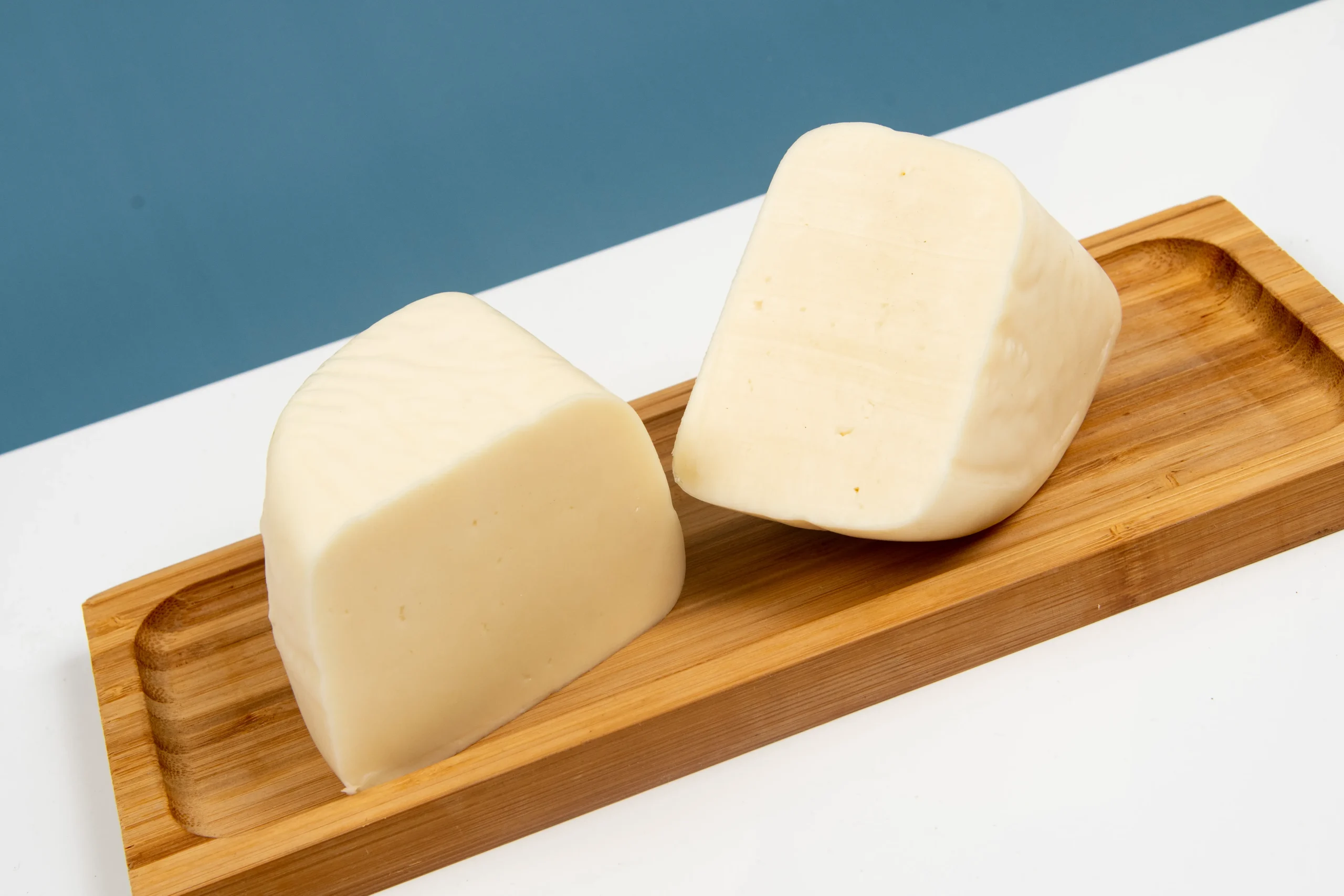
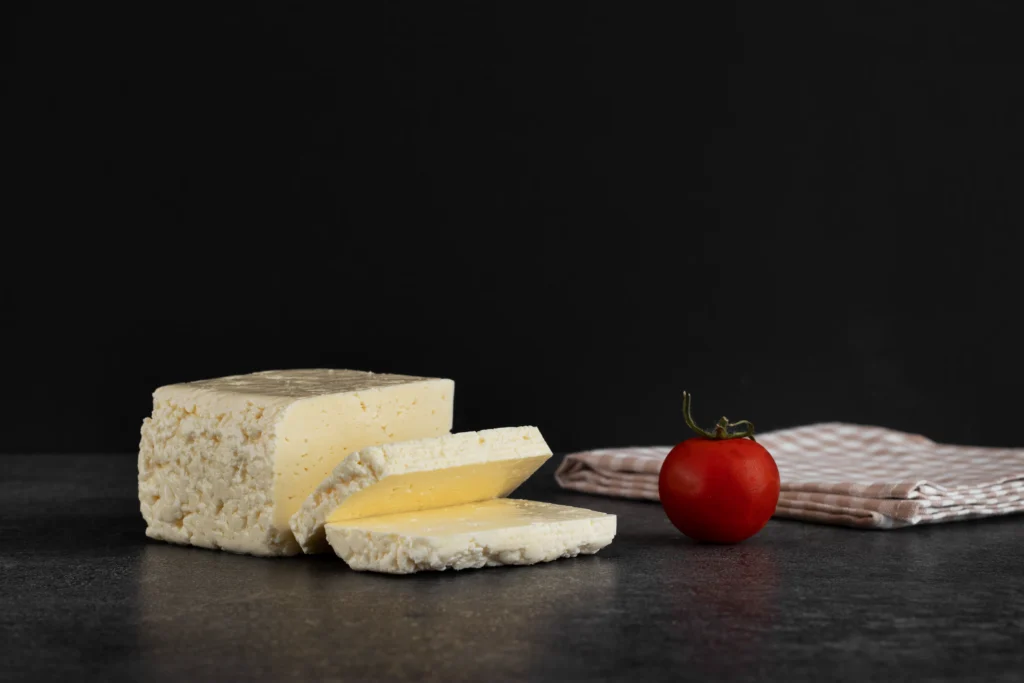
- Color: White to off-white.
- Shape: Typically sold in round or rectangular blocks.
- Size: Varies by manufacturer, often found in blocks ranging from 200 grams to over a kilogram for commercial use.
- Texture: Soft, moist, and crumbly with a mild, slightly acidic flavor. It does not melt when heated but softens.
Culinary Uses
- Common Dishes: Used in a variety of traditional Mexican and Central American dishes, including enchiladas, tacos, salads, and as a topping for beans and soups.
- Preparation Methods: Crumbled or sliced fresh over dishes. It can be lightly grilled or pan-fried, where it becomes soft without melting.
- Suitable Pairings: Complements spicy and savory dishes, balancing flavors with its mild and fresh taste. Pairs well with robust flavors of cilantro, lime, and chili.
Geographical Information
- Origin: Mexico and Central America.
- Primary Growing Regions: Widely produced in regions with a strong tradition of Mexican and Central American cuisine, including both its areas of origin and places with significant Latino populations, such as the United States.
- Seasonal Availability: Available year-round, with production methods that do not rely on seasonal milk variations.
Queso Fresco, known for its fresh and mild flavor, is a versatile cheese that adds a delightful finish to both traditional and modern dishes. Its ability to complement a wide range of culinary creations makes it a favorite in kitchens that appreciate the flavors of Mexican and Central American cuisines.
| proximates: | |
| Water | 51.4 g |
| Energy (Atwater General Factors) | 298 kcal |
| Energy (Atwater Specific Factors) | 297 kcal |
| Nitrogen | 2.96 g |
| Protein | 18.9 g |
| Total lipid (fat) | 23.4 g |
| Ash | 3.42 g |
| Carbohydrates: | |
| Carbohydrate, by difference | 2.96 g |
| Minerals: | |
| Calcium, Ca | 602 mg |
| Iron, Fe | <0.4 mg |
| Magnesium, Mg | 27.6 mg |
| Phosphorus, P | 390 mg |
| Potassium, K | 126 mg |
| Sodium, Na | 626 mg |
| Zinc, Zn | 2.91 mg |
| Copper, Cu | <0.05 mg |
| Manganese, Mn | <0.02 mg |
| Iodine, I | 79.9 µg |
| Vitamins and Other Components: | |
| Vitamin A | |
| Retinol | 152 µg |
| Vitamin D (D2 + D3), International Units | 0 IU |
| Vitamin D (D2 + D3) | 0 µg |
| Vitamin D2 (ergocalciferol) | <0.1 µg |
| Vitamin D3 (cholecalciferol) | <0.1 µg |
| Lipids: | |
| Fatty acids, total saturated | 14 g |
| SFA 12:0 | 0.748 g |
| SFA 14:0 | 2.26 g |
| SFA 16:0 | 6.64 g |
| SFA 18:0 | 2.13 g |
| Fatty acids, total monounsaturated | 4.96 g |
| PUFA 18:2 | 0.595 g |
| Cholesterol | 76 mg |