

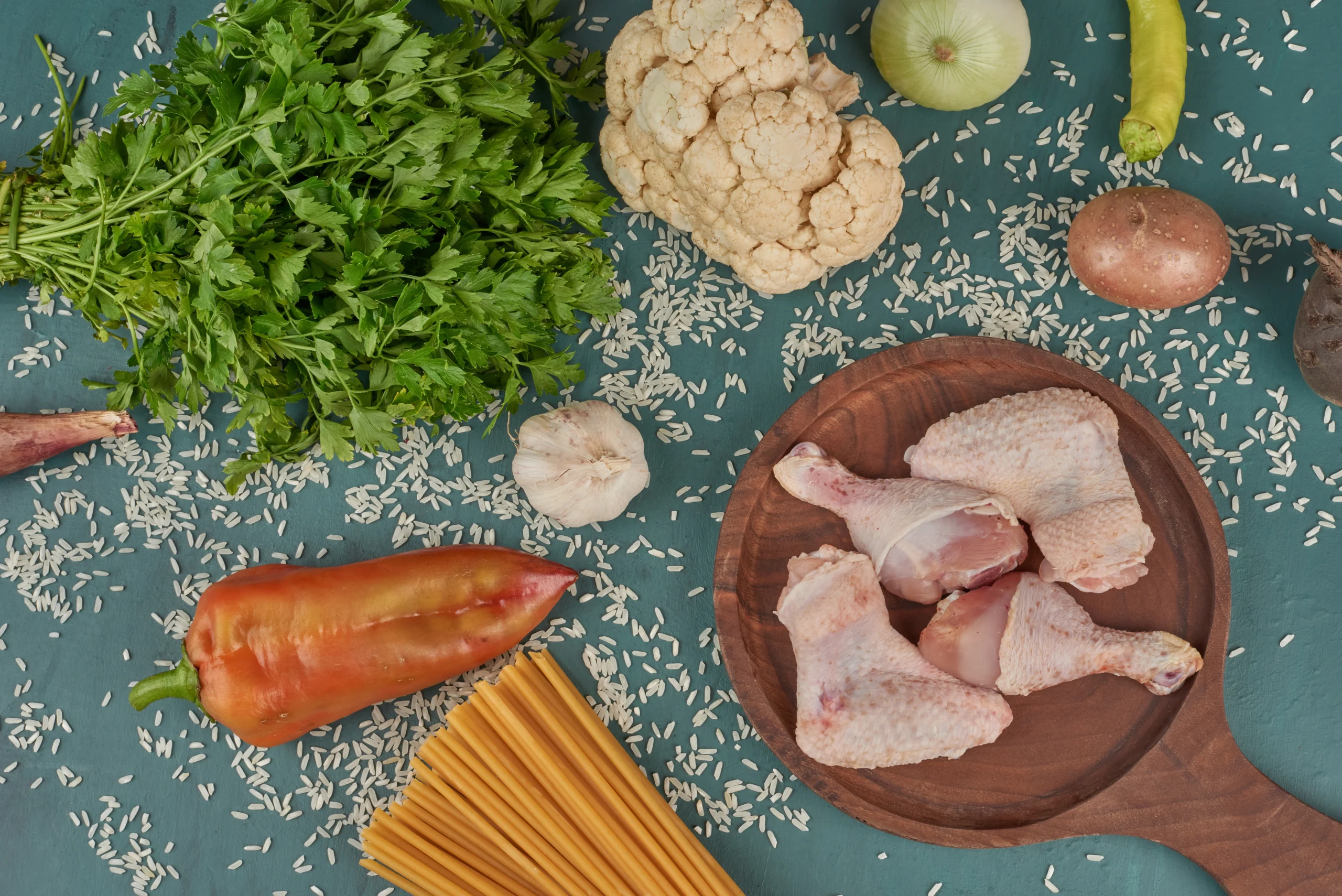
Basic Information
- Name: Ground Chicken with Additives (raw)
- Scientific Name: Not applicable, as this pertains to a processed form of chicken meat rather than a distinct species or breed.
- Category: Poultry (Meat)
Nutritional Information
Macronutrients
- Carbohydrates: Generally negligible unless additives contain carbs.
- Proteins: High; varies slightly depending on the chicken parts used and the presence of skin but typically around 17-20 grams per 100 grams.
- Fats: Varies; lean ground chicken contains less fat, about 5-10 grams per 100 grams, whereas regular ground chicken can contain significantly more, especially if skin is included or specific additives increase fat content.
Micronutrients
- Vitamins: Good source of B vitamins, especially niacin (B3), vitamin B6, and pantothenic acid (B5).
- Minerals: Provides minerals such as phosphorus, selenium, and zinc.
phytonutrients
Chicken, primarily being an animal-based product, does not contain phytonutrients in the same way plants do. Phytonutrients, or phytochemicals, are bioactive compounds found in fruits, vegetables, grains, and other plant foods. They are associated with various health benefits, including antioxidant and anti-inflammatory effects.
Since chicken is not a plant, it does not synthesize phytonutrients. However, chicken, including ground chicken with additives, is a significant source of various nutrients essential for health. Here are the types of nutrients commonly found in chicken, focusing on aspects other than phytonutrients:
- Proteins: Chicken is an excellent source of high-quality protein, which is vital for muscle repair, growth, and overall body function.
- Fats: The fat content varies depending on the part of the chicken and whether it includes skin. Ground chicken may also have varying fat levels depending on whether it’s made from leaner cuts or includes more fatty parts. Additives might affect the fat content.
- Vitamins: Particularly rich in B vitamins like niacin (B3), vitamin B6, and pantothenic acid (B5), which support energy production, brain function, and skin health.
- Minerals: Provides essential minerals such as phosphorus, selenium, and zinc, important for bone health, immune function, and wound healing.
Whole chicken does not offer phytonutrients, its nutrient profile contributes to a balanced diet, especially when consumed as part of a variety of food sources that include plant-based foods rich in phytonutrients. To maximize health benefits and nutrient intake, including a wide range of fruits, vegetables, whole grains, and lean protein sources in your diet is recommended. This approach ensures you receive a comprehensive array of nutrients, including phytonutrients, vitamins, minerals, and macronutrients necessary for optimal health.
Calorie Count
- Varies by fat content; approximately 143-220 calories per 100 grams.
Glycemic Index
- Not applicable as it contains negligible carbohydrates.
Physical Characteristics
- Color: Pale pink when raw.
- Shape: Depends on processing; typically comes in a malleable, minced form.
- Size: Sold by weight; packaging sizes vary.
- Texture: Soft, malleable, and moist.
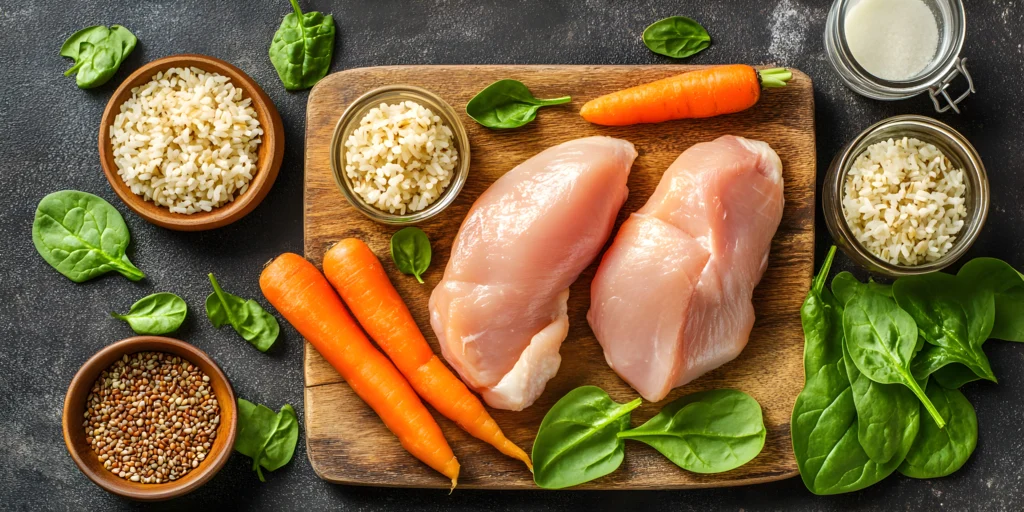
Culinary Uses
- Common Dishes: Meatballs, burgers, tacos, meatloaf, and fillings for pasta or dumplings.
- Preparation Methods: Can be cooked in various ways, including pan-frying, baking, grilling, or boiling.
- Suitable Pairings: Pairs well with a wide range of seasonings, herbs, and spices, including garlic, onions, paprika, cumin, and fresh herbs like parsley and cilantro. Works well with vegetables, grains, and pasta.
Geographical Information
- Origin: Domesticated chicken has origins in Southeast Asia but ground chicken as a food product is widely produced globally.
- Primary Growing Regions: Chicken farming is widespread; major producers include the United States, China, Brazil, and parts of Europe.
- Seasonal Availability: Available year-round due to domestic farming.
The additives in ground chicken can vary widely and include seasonings, preservatives, and fillers to enhance flavor, shelf life, or texture. It’s important to check the product label for specific additive information.
| Proximates: | |
| Water | 74.7 g |
| Energy (Atwater General Factors) | 133 kcal |
| Energy (Atwater Specific Factors) | 138 kcal |
| Nitrogen | 2.87 g |
| Protein | 17.9 g |
| Total lipid (fat) | 7.16 g |
| Ash | 0.97 g |
| Carbohydrates: | |
| Carbohydrate, by difference | 0 g |
| Minerals: | |
| Calcium, Ca | 6 mg |
| Iron, Fe | 0.59 mg |
| Magnesium, Mg | 20.5 mg |
| Phosphorus, P | 166 mg |
| Potassium, K | 302 mg |
| Sodium, Na | 63 mg |
| Zinc, Zn | 1.18 mg |
| Copper, Cu | 0.036 mg |
| Manganese, Mn | 0.005 mg |
| Lipids: | |
| Fatty acids, total saturated | 1.56 g |
| Fatty acids, total monounsaturated | 2.17 g |
| Fatty acids, total polyunsaturated | 1.38 g |
| Fatty acids, total trans | 0.021 g |
| Cholesterol | 82 mg |