
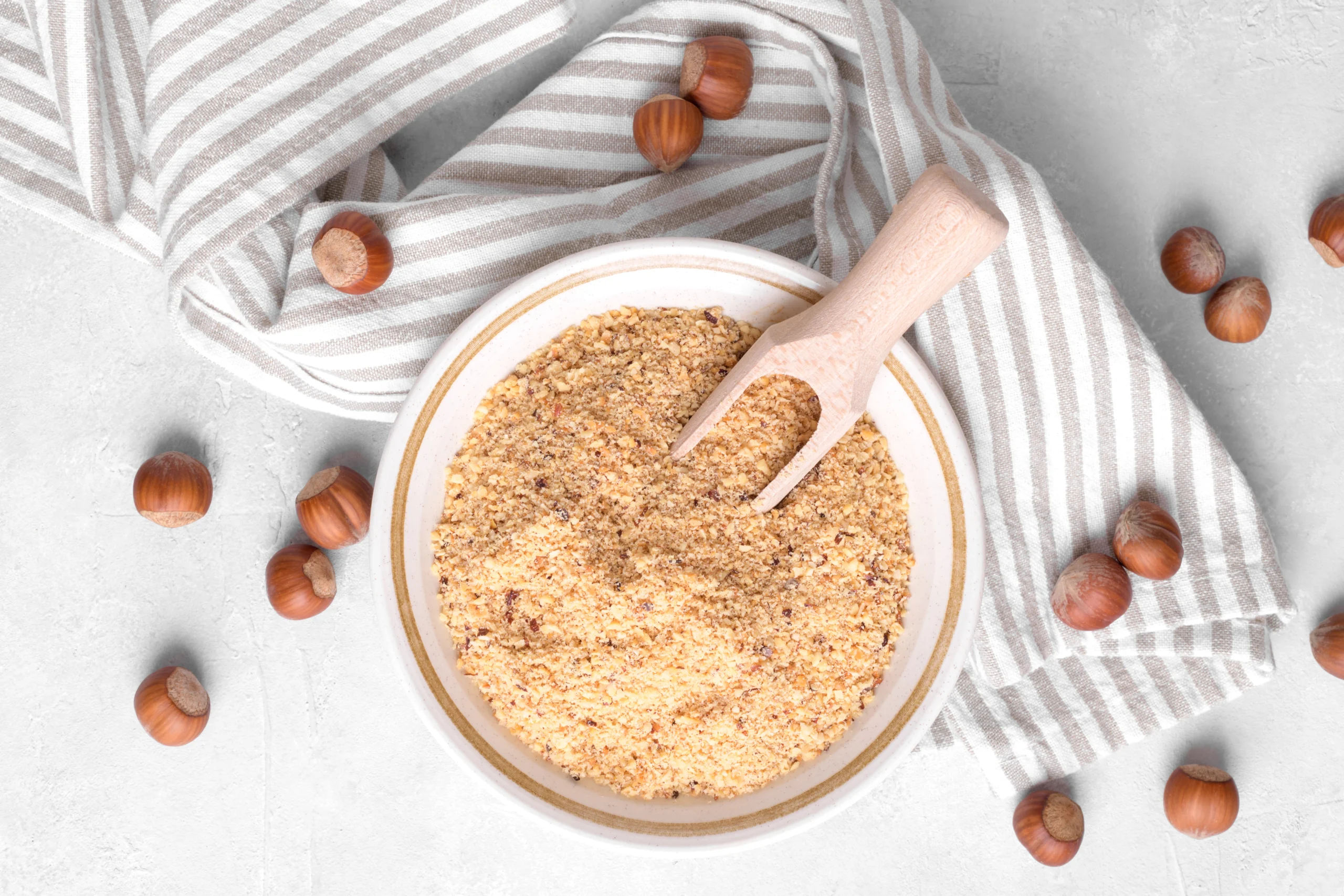
Chestnut flour, derived from ground chestnuts, offers a unique, sweet, and nutty alternative to traditional grain-based flours. Here’s a detailed exploration of chestnut flour, covering its basics, nutritional content, physical characteristics, culinary uses, and geographical information.
Basic Information
- Common Name: Chestnut Flour
- Scientific Name: Made from the nuts of Castanea spp. (e.g., Castanea sativa in Europe, Castanea dentata in North America)
- Category: Gluten-free flour alternative
Varieties
While the flour is typically made from the nuts of various species of chestnut trees, there aren’t distinct “varieties” of chestnut flour. However, the taste and quality can vary slightly based on the chestnut species used and the production process.
Nutritional Information
- Macronutrients:
- Carbohydrates: High in carbs, with about 80.4 grams per 100 grams of flour, primarily composed of starch and dietary fiber.
- Proteins: Moderate, with about 5.29 grams per 100 grams.
- Fats: Low, with about 4.64 grams per 100 grams.
- Micronutrients: Rich in vitamins and minerals, including vitamin C, B vitamins (especially folate), potassium, and magnesium.
Phytonutrients
Chestnut flour, derived from ground chestnuts, is a nutritious and gluten-free alternative to traditional grain flours. Chestnuts, belonging to the genus Castanea, are rich in various phytonutrients that contribute to their health benefits. Here’s an overview of the key phytonutrients found in chestnut flour and their potential benefits:
Phytonutrients in Chestnut Flour
- Ellagic Acid: A polyphenol with antioxidant properties, ellagic acid is known for its potential to fight free radicals and reduce the risk of certain chronic diseases.
- Gallic Acid: This compound is another type of phenolic acid that has strong antioxidant properties, contributing to the prevention of oxidative stress and inflammation.
- Tannins: Chestnuts contain tannins, which have antioxidant and antimicrobial properties. However, they can also bind to proteins and other nutrients, affecting their absorption.
- Flavonoids: Chestnut flour contains flavonoids such as quercetin and kaempferol, which have anti-inflammatory and antioxidant effects. These compounds may help in reducing the risk of chronic conditions like heart disease and cancer.
- Vitamin C (Ascorbic Acid): While not a phytonutrient per se, vitamin C is a powerful antioxidant found in chestnuts, and it supports immune function and skin health.
Nutritional Context and Health Implications
Chestnut flour is not only valued for its phytonutrients but also for its nutritional composition, including carbohydrates, proteins, fats, and micronutrients like vitamins and minerals. The presence of these phytonutrients, particularly antioxidants, suggests potential health benefits, such as reduced inflammation and lower risk of chronic diseases.
Considerations
The exact content of phytonutrients in chestnut flour can vary based on factors like the chestnut species, soil conditions, climate, and processing methods. It’s also worth noting that while chestnut flour is a source of beneficial compounds, it should be consumed as part of a balanced diet to ensure a wide range of nutrients and health benefits.
Chestnut flour’s unique nutritional profile and phytonutrient content make it an excellent choice for those looking for gluten-free baking alternatives or aiming to incorporate more diverse plant-based ingredients into their diet.
Calorie Count and Glycemic Index
- Calorie Count: Approximately 385 calories per 100 grams.
- Glycemic Index: Chestnut flour has a moderate to high glycemic index, though it varies depending on the processing method and consumption form.
Physical Characteristics
- Color: Light brown, with a slightly yellow or creamy hue.
- Shape: It is a fine powder, so the shape is not applicable.
- Size: Fine grain size, akin to conventional wheat flour but may have a slightly coarser texture.
- Texture: Smooth with a slightly gritty feel, depending on the fineness of the grind.
Culinary Uses
Chestnut flour is celebrated for its sweet, nutty flavor, making it a popular ingredient in various culinary traditions, especially in Italian and French cuisines. It can be used in:
- Common Dishes: Cakes, pancakes, pasta, crepes, and bread.
- Preparation Methods: Baking and pancake or crepe batter.
- Suitable Pairings: Complements sweet and savory dishes alike, pairs well with chocolate, fruits, and spices like cinnamon and nutmeg.
Geographical Information
- Origin: The chestnut tree is native to temperate regions of the Northern Hemisphere.
- Primary Growing Regions: Italy, France, and the United States (particularly in the Appalachian region) are known for chestnut production.
- Seasonal Availability: Chestnuts are typically harvested in the fall, but chestnut flour can be found year-round due to its dried, shelf-stable nature.
Chestnut flour is a gluten-free, nutrient-rich alternative to traditional grain flours, appreciated not only for its dietary benefits but also for its unique flavor profile. Its use in traditional European desserts and breads highlights its versatility and the rich culinary heritage associated with chestnut trees.
| proximates: | |
| Water | 7.33 g |
| Energy (Atwater General Factors) | 385 kcal |
| Energy (Atwater Specific Factors) | 385 kcal |
| Nitrogen | 1 g |
| Protein | 5.29 g |
| Total lipid (fat) | 4.64 g |
| Ash | 2.3 g |
| Carbohydrates: | |
| Carbohydrate, by difference | 80.4 g |
| Fiber, total dietary | 8.7 g |
| Minerals: | |
| Calcium, Ca | 56 mg |
| Iron, Fe | 1.62 mg |
| Magnesium, Mg | 68.8 mg |
| Phosphorus, P | 134 mg |
| Potassium, K | 1030 mg |
| Sodium, Na | <2.5 mg |
| Zinc, Zn | 1.04 mg |
| Copper, Cu | 0.581 mg |
| Manganese, Mn | 2.9 mg |
| Selenium, Se | <3 µg |
| Vitamins and Other Components: | |
| Vitamin C, total ascorbic acid | 4 mg |
| Lipids: | |
| Fatty acids, total saturated | 0.689 g |
| Fatty acids, total monounsaturated | 1.26 g |
| Fatty acids, total polyunsaturated | 1.52 g |