
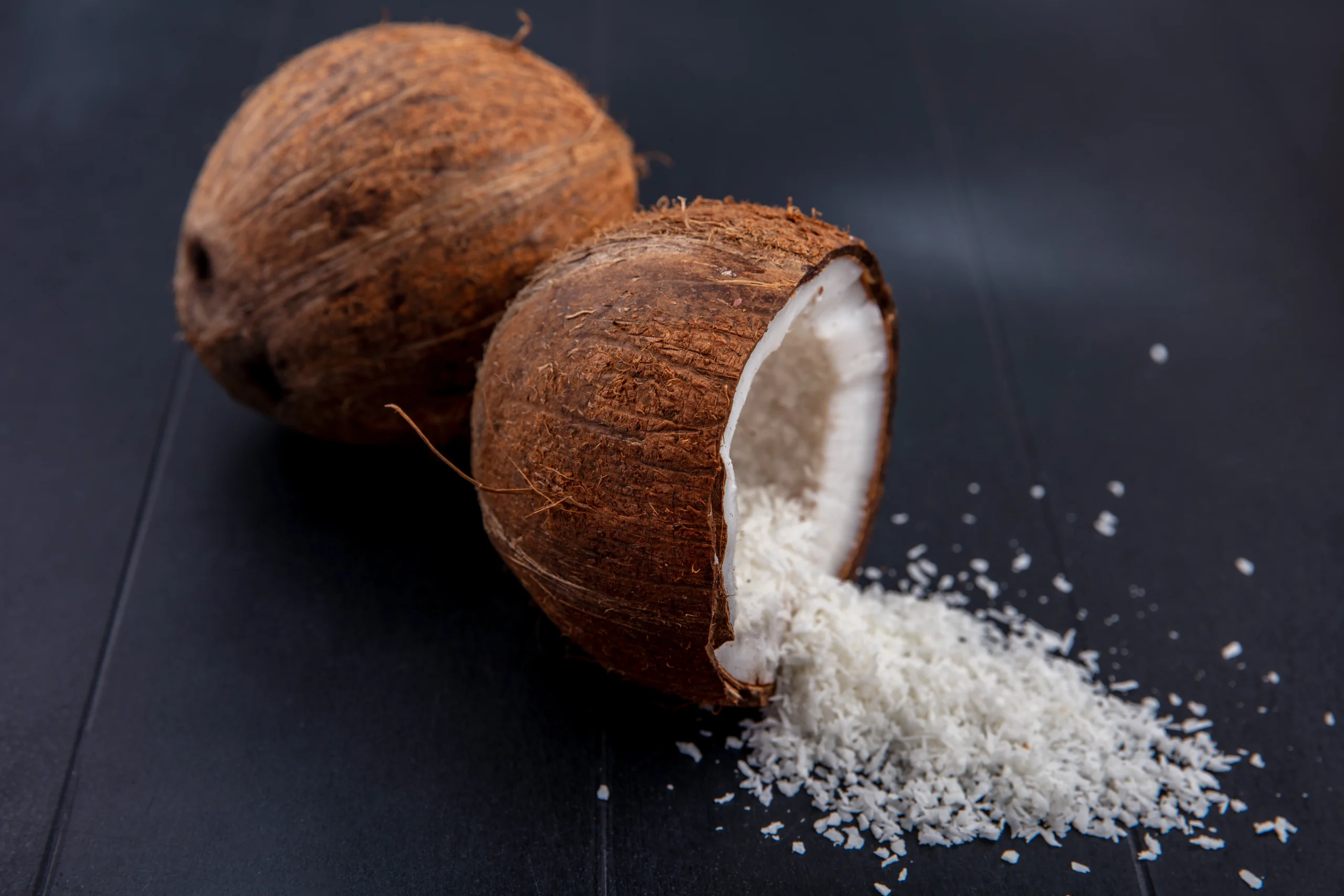
Coconut flour is a unique and versatile ingredient made from dried and ground coconut meat. Its growing popularity in health and culinary circles stems from its nutritional benefits, gluten-free status, and distinctive characteristics. Below is a comprehensive overview of coconut flour, covering basic information, nutritional content, physical characteristics, culinary uses, and geographical background.
Basic Information
- Common Name: Coconut Flour
- Scientific Name: Made from Cocos nucifera
- Category: Gluten-free flour alternative
- Varieties: While there are no specific “varieties” of coconut flour, it is derived from different types of coconut, which might slightly affect the flavor or texture. The primary distinction in coconut flour products comes from the processing methods and the fat content remaining in the flour after the coconut oil is extracted.
Nutritional Information
- Macronutrients:
- Carbohydrates: Lower in carbs compared to traditional grain flours, approximately 58.9 grams per 100 grams.
- Proteins: Moderately high in proteins, with about 16.1 grams per 100 grams.
- Fats: Relatively high in fats, though less than in raw coconut, with about 15.3 grams per 100 grams.
- Micronutrients: Rich in fiber, iron, and potassium. It also contains manganese, which is important for enzyme function and bone development.
Phytonutrients
Coconut flour, derived from the dried and ground meat of coconuts (Cocos nucifera), while primarily noted for its high fiber content, medium-chain triglycerides (MCTs), and gluten-free properties, also contains various phytonutrients that contribute to its nutritional profile. These compounds, though present in smaller quantities compared to whole fruits and vegetables, offer several health benefits.
Phytonutrients in Coconut Flour
- Polyphenols: Coconut flour contains polyphenols, which are micronutrients with antioxidant properties. These compounds help in reducing inflammation and protecting against several chronic diseases by neutralizing harmful free radicals in the body.
- Phytosterols: Although the amount is relatively small, phytosterols are present in coconut flour. Phytosterols are known for their cholesterol-lowering properties. They can block the absorption of cholesterol in the intestines, potentially reducing the overall levels of LDL (bad) cholesterol.
- Saponins: Saponins have been identified in various parts of the coconut, including the meat from which coconut flour is made. These compounds have antioxidant and immune-boosting properties, and they may also contribute to the antimicrobial characteristics of coconut products.
- Tannins: Present in trace amounts, tannins are known for their antioxidant properties. They play a role in combating oxidative stress, although their presence in coconut flour is less pronounced compared to more tannin-rich foods.
- Lignans: Coconut contains lignans, a type of phytoestrogen that has been linked to benefits such as reduced risks of certain cancers and improved heart health. The processing of coconut into flour may affect the lignan content, but they still contribute to the overall health benefits of coconut products.
Nutritional Context and Health Implications
The presence of these phytonutrients, along with the high dietary fiber, MCTs, vitamins, and minerals, makes coconut flour a nutritionally rich food. The antioxidant properties of polyphenols and other compounds can help in reducing inflammation and protecting against chronic diseases. Additionally, the fiber content promotes digestive health and helps in maintaining blood sugar levels.
Considerations
It’s important to note that while coconut flour contains these beneficial phytonutrients, it should be consumed as part of a balanced diet rich in a variety of fruits, vegetables, whole grains, and proteins to ensure a comprehensive intake of all necessary nutrients. The specific amounts of phytonutrients in coconut flour can vary based on the coconut variety, soil conditions, and processing methods, so it’s beneficial to include a diverse range of nutrient-dense foods in your diet.
In conclusion, coconut flour is not just a gluten-free alternative to traditional grain flours; it also offers a range of phytonutrients with health-promoting properties. Its inclusion in the diet can contribute to overall health and well-being, particularly for those looking to increase their intake of fiber and plant-based nutrients.
Calorie Count and Glycemic Index
- Calorie Count: About 400-450 calories per 100 grams, largely due to its high fiber and fat content.
- Glycemic Index: Low, making it a preferred option for those managing blood sugar levels.
Physical Characteristics
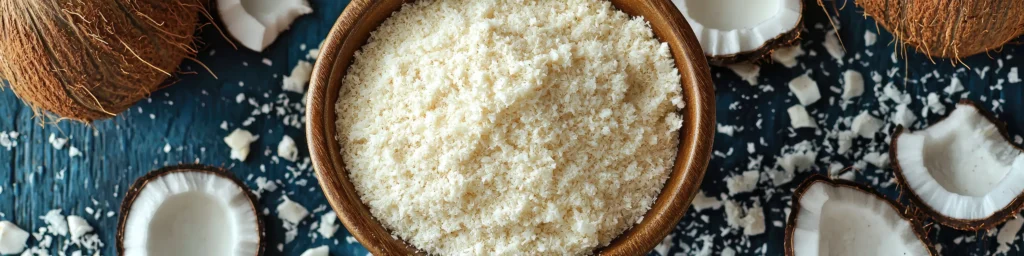
- Color: Light, creamy to off-white.
- Shape: Fine powder.
- Size: Consistency is similar to wheat flour, though it can be slightly grainier.
- Texture: Soft and fluffy when dry; highly absorbent.
Culinary Uses
Coconut flour is celebrated for its versatility in gluten-free and low-carb baking. It requires more moisture than other flours, so recipes often call for additional eggs or liquid.
- Common Dishes: Breads, muffins, pancakes, and cakes.
- Preparation Methods: Baking is the most common use, but it’s also used for thickening sauces and soups.
- Suitable Pairings: Pairs well with other tropical flavors like banana, pineapple, and mango, as well as chocolate and vanilla.
Geographical Information
- Origin: Derived from the coconut palm, which is native to tropical regions around the world, including the Pacific Islands, parts of Southeast Asia, and the Indian subcontinent.
- Primary Growing Regions: Coconuts are grown in over 80 countries. The Philippines, Indonesia, and India are among the top producers.
- Seasonal Availability: Coconut trees produce fruit year-round, making coconut flour generally available at all times.
Coconut flour’s unique properties make it a staple in gluten-free and health-conscious kitchens. Its high fiber content, low glycemic index, and nutrient density offer substantial health benefits, while its mild coconut flavor and texture open up a world of culinary possibilities. Whether for baking or thickening, coconut flour is a versatile choice that complements a wide range of dietary needs and preferences.
| proximates: | |
| Water | 4.69 g |
| Energy (Atwater General Factors) | 438 kcal |
| Energy (Atwater Specific Factors) | 424 kcal |
| Nitrogen | 3.04 g |
| Protein | 16.1 g |
| Total lipid (fat) | 15.3 g |
| Ash | 4.99 g |
| Carbohydrates: | |
| Carbohydrate, by difference | 58.9 g |
| Fiber, total dietary | 34.2 g |
| Minerals: | |
| Calcium, Ca | 36 mg |
| Iron, Fe | 8.02 mg |
| Magnesium, Mg | 248 mg |
| Phosphorus, P | 507 mg |
| Potassium, K | 2090 mg |
| Sodium, Na | 47 mg |
| Zinc, Zn | 3.7 mg |
| Copper, Cu | 2.08 mg |
| Manganese, Mn | 5.29 mg |
| Selenium, Se | 26.8 µg |
| Lipids: | |
| Fatty acids, total saturated | 14 g |
| Fatty acids, total monounsaturated | 0.806 g |
| Fatty acids, total polyunsaturated | 0.111 g |