
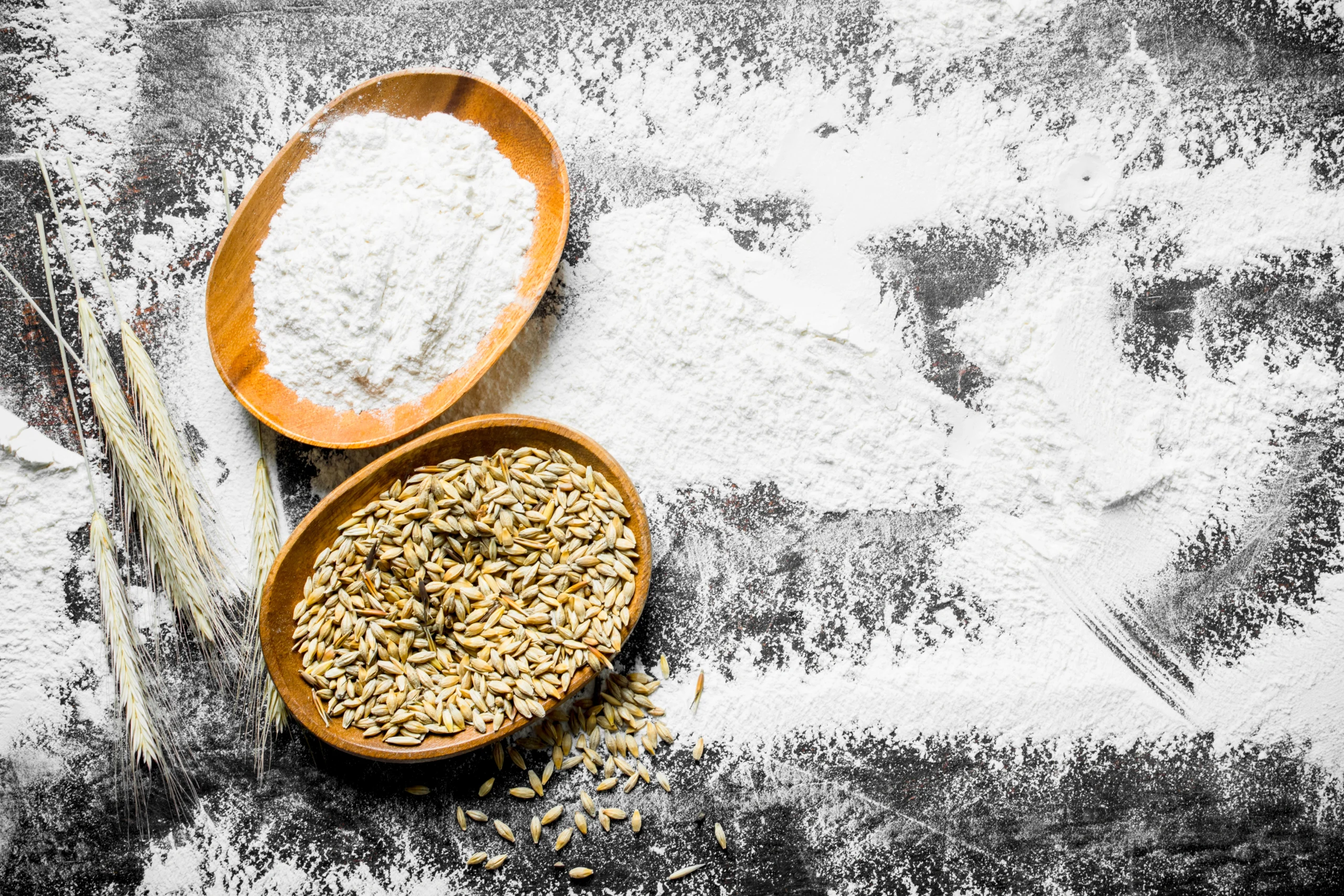
Whole grain spelt flour is made from the entire grain of the spelt plant (Triticum spelta), which is an ancient grain closely related to wheat. It belongs to the cereal grain category and has been cultivated since approximately 5000 BCE. Spelt flour is appreciated for its nutty flavor, nutritional benefits, and versatility in baking and cooking. Here’s a detailed overview of whole grain spelt flour.
Basic Information
- Common Name: Whole Grain Spelt Flour
- Scientific Name: Triticum spelta
- Category: Cereal Grain
- Varieties: While spelt itself is a variety of wheat, there are no distinct varieties of spelt flour other than the differentiation between whole grain (which includes the entire kernel) and white spelt flour (which is refined).
Nutritional Information
- Macronutrients: Whole grain spelt flour is high in carbohydrates and provides a significant amount of protein, with a complete amino acid profile. It contains a moderate amount of dietary fiber and a low amount of fats.
- Micronutrients: It is rich in several essential minerals, including magnesium, iron, phosphorus, and zinc. Spelt flour also provides B vitamins, especially niacin (B3), thiamin (B1), and vitamin B6.
Phytonutrients
Whole grain spelt flour, derived from the ancient grain Triticum spelta, is a nutritious alternative to common wheat flour, retaining all parts of the grain during milling. This includes the bran, germ, and endosperm, ensuring that it preserves its nutritional integrity. Spelt flour is celebrated for its nutty flavor and versatility in baking and cooking. Here’s a focused look at the phytonutrients present in whole grain spelt flour and their potential health benefits.
Phytonutrients in Whole Grain Spelt Flour
Phenolic Acids
- Ferulic Acid: The most abundant phenolic acid in spelt, known for its strong antioxidant properties, which can help protect the body against oxidative stress and inflammation.
- Sinapic Acid and Caffeic Acid: These compounds also contribute to the antioxidant capacity of spelt flour, offering additional protection against cellular damage.
Carotenoids
- Lutein and Zeaxanthin: Spelt flour contains these eye-health-promoting carotenoids, which are known to protect against age-related macular degeneration and cataracts.
Betaine
- Betaine: Acts as a methyl donor in various biochemical pathways within the body, supporting heart health by lowering homocysteine levels, a risk factor for heart disease.
Alkylresorcinols
- Alkylresorcinols: Present in the bran layer of spelt, these compounds have been linked to potential anti-inflammatory and anticancer effects, as well as contributing to the feeling of fullness and helping in weight management.
Dietary Fiber
- Insoluble and Soluble Fiber: While not a phytonutrient per se, the high fiber content in whole grain spelt flour deserves mention. Fiber supports digestive health, helps regulate blood sugar levels, and can reduce the risk of several chronic diseases.
Lignans
- Lignans: These are phytoestrogens found in spelt that have been associated with reduced risk of certain types of cancer and improved cardiovascular health.
Health Implications
The phytonutrients in whole grain spelt flour work synergistically to provide health benefits. Their antioxidant and anti-inflammatory properties can contribute to the prevention of chronic diseases, such as heart disease, diabetes, and cancer. The presence of dietary fiber and compounds like alkylresorcinols can also aid in weight management and improve digestive health.
It’s important to note that while these phytonutrients offer potential health benefits, the overall impact on health depends on the context of the entire diet and lifestyle. Consuming whole grain spelt flour as part of a balanced diet rich in fruits, vegetables, lean proteins, and other whole grains can help maximize these health benefits.
Calorie Count and Glycemic Index
- Calorie Count: Approximately 341 calories per 100 grams.
- Glycemic Index: Medium, though it may vary slightly depending on processing and preparation methods.
Physical Characteristics
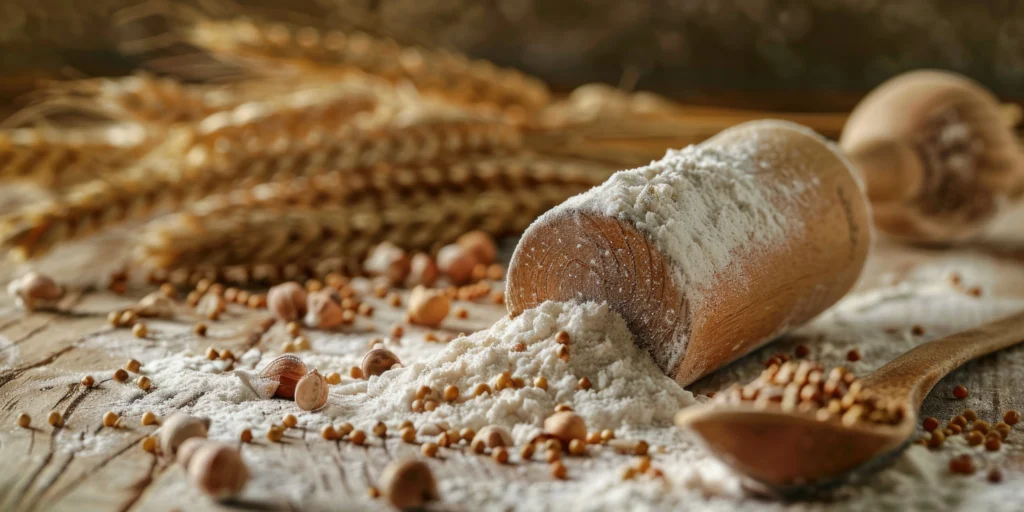
- Color: Light brown to tan, indicative of its whole grain nature.
- Shape and Size: It is a fine powder, similar in consistency to whole wheat flour but may have a slightly coarser texture due to the inclusion of the entire grain.
- Texture: Whole grain spelt flour has a somewhat denser texture than refined flours, with a slightly nutty and sweet flavor.
Culinary Uses
- Common Dishes: It is commonly used in bread, pasta, crackers, and baked goods like cookies and cakes. Whole grain spelt flour is also popular in pancakes and waffles for its light, nutty flavor.
- Preparation Methods: Spelt flour can be used as a substitute for wheat flour in most recipes, though it absorbs more water, which may require adjusting liquid ingredients in recipes. Its gluten structure is somewhat fragile, so gentle handling is recommended to avoid dense baked goods.
- Suitable Pairings: Its nutty flavor pairs well with fruits, nuts, seeds, and spices. It complements both sweet and savory ingredients, making it versatile in a range of culinary applications.
Geographical Information
- Origin: Spelt is an ancient grain, believed to have originated in the Near East and Europe, with evidence of its cultivation dating back over 7,000 years.
- Primary Growing Regions: Today, spelt is primarily grown in Europe, especially in Germany, Switzerland, and Belgium. It is also cultivated in parts of the United States and Canada.
- Seasonal Availability: Whole grain spelt flour is generally available year-round, thanks to global cultivation and distribution.
Whole grain spelt flour is valued for its nutritional profile, distinctive flavor, and versatility in cooking and baking. It serves as a healthier alternative to refined flours, offering benefits from its whole grain composition, including higher fiber content and a richer array of vitamins and minerals. Its use in traditional and contemporary cuisine underlines its enduring appeal and nutritional value.
| proximates: | |
| Water | 10.7 g |
| Energy (Atwater General Factors) | 364 kcal |
| Energy (Atwater Specific Factors) | 341 kcal |
| Nitrogen | 2.32 g |
| Protein | 14.5 g |
| Total lipid (fat) | 2.54 g |
| Ash | 1.54 g |
| Carbohydrates: | |
| Carbohydrate, by difference | 70.7 g |
| Fiber, total dietary | 9.3 g |
| Minerals: | |
| Calcium, Ca | 30 mg |
| Iron, Fe | 3.77 mg |
| Magnesium, Mg | 124 mg |
| Phosphorus, P | 362 mg |
| Potassium, K | 350 mg |
| Sodium, Na | <2.48 mg |
| Zinc, Zn | 3.59 mg |
| Copper, Cu | 0.531 mg |
| Manganese, Mn | 2.94 mg |
| Selenium, Se | 9.5 µg |
| Molybdenum, Mo | 91.9 µg |
| Vitamins and Other Components: | |
| Thiamin | 0.298 mg |
| Riboflavin | 0.143 mg |
| Niacin | 5.47 mg |
| Vitamin B-6 | 0.236 mg |
| Biotin | 10.4 µg |
| Folate, total | 38 µg |