

Basic Information
- Name: Lentils
- Scientific Name: Lens culinaris
- Category: Legume
Varieties
Lentils come in several varieties, each with its unique taste and cooking time. Common types include:
- Brown Lentils: The most widely available, they hold their shape well and have an earthy flavor.
- Green Lentils: Slightly firmer than brown lentils, with a peppery flavor. They’re ideal for salads and side dishes.
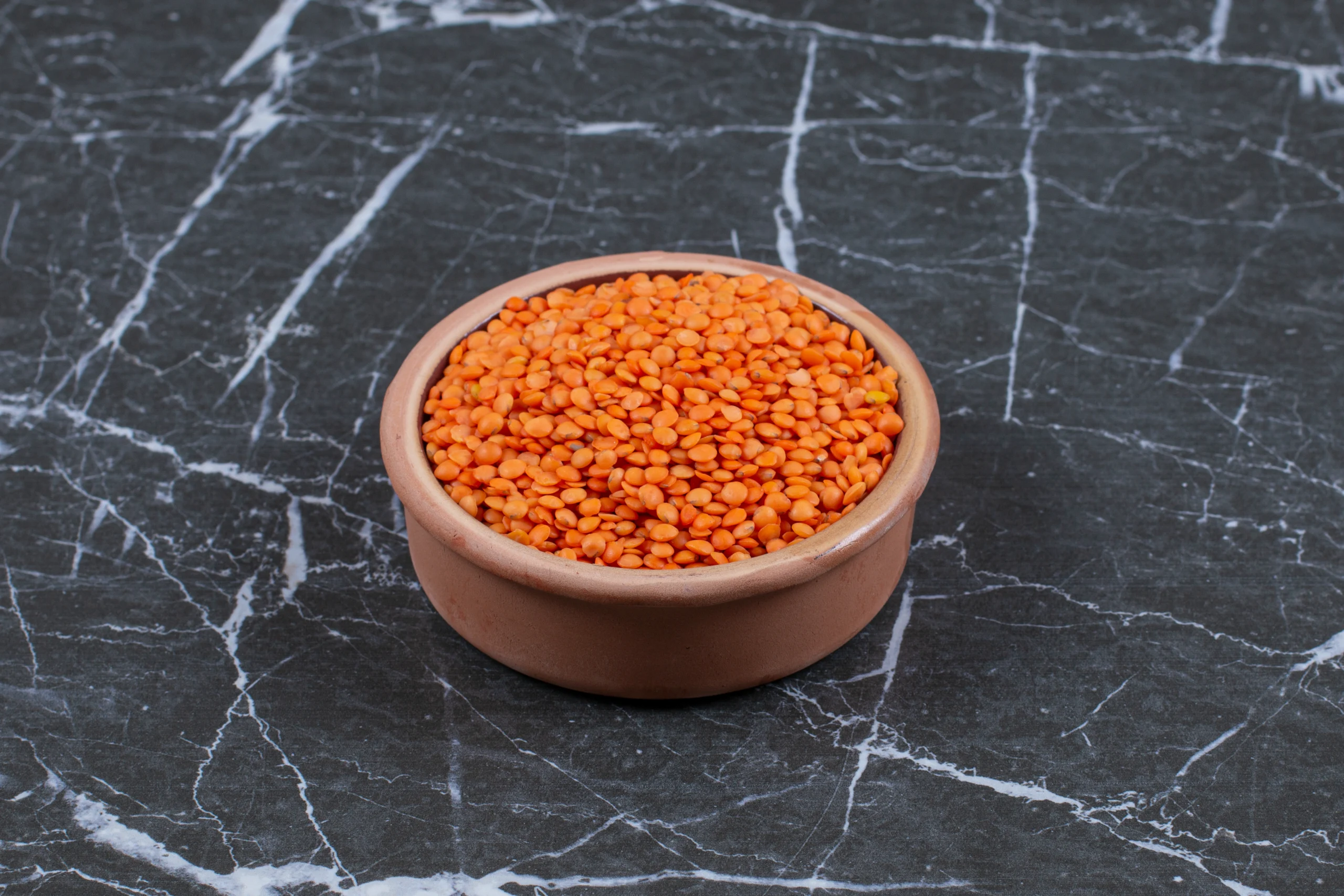
- Red and Yellow Lentils: These lentils cook quickly and tend to become mushy, making them perfect for soups and Indian dishes like dals.
- Puy Lentils: Also known as French green lentils, they have a firm texture and a slightly nutty flavor.
- Black Lentils: Known as Beluga lentils, they are small, black, and have a rich flavor.
Nutritional Information
- Macronutrients:
- Carbohydrates: Approximately 62.2 g per 100 g (cooked), primarily from complex carbohydrates and dietary fiber.
- Proteins: About 23.6 g per 100 g (cooked), making them an excellent protein source for vegetarians and vegans.
- Fats: Low, around 1.92 g per 100 g (cooked).
- Micronutrients: Rich in folate, iron, phosphorus, magnesium, zinc, and potassium. Lentils also provide B vitamins, especially B1 (thiamine) and B6.
phytonutrients
Dry lentils are not only a great source of macronutrients like proteins and fibers but also rich in various phytonutrients that contribute to their health benefits. These bioactive compounds play roles in antioxidant activity, anti-inflammatory processes, and may even contribute to reducing the risk of certain diseases. Here’s an overview of the key phytonutrients found in dry lentils:
Types of Phytonutrients in Dry Lentils
- Polyphenols: Lentils are a rich source of polyphenols, a category of antioxidants that include flavonoids, tannins, and phenolic acids. These compounds can help protect against oxidative stress and inflammation. Notably, lentils contain flavonoids like quercetin and kaempferol, which have been studied for their anti-cancer and heart-healthy properties.
- Saponins: Found in the outer layers of lentils, saponins have antioxidant and immune-boosting effects. They may also help lower cholesterol levels and contribute to heart health.
- Phytates (Phytic Acid): While often considered an anti-nutrient due to its ability to bind minerals and reduce their absorption, phytic acid also has antioxidant properties. Recent research suggests it may play a role in preventing the formation of cancer cells.
- Lectins: Lentils contain lectins, which are proteins that can bind to carbohydrates. While high levels of lectins can be harmful, the lectins in lentils are mostly eliminated through cooking. Lectins have been studied for their potential role in cancer prevention and managing autoimmune diseases.
Nutritional Implications
The phytonutrients in lentils offer a range of health benefits:
- Antioxidant Protection: Polyphenols and other antioxidants help neutralize harmful free radicals, potentially reducing the risk of chronic diseases such as heart disease and cancer.
- Heart Health: Saponins and polyphenols can contribute to cardiovascular health by lowering cholesterol levels and improving blood vessel function.
- Cancer Prevention: The antioxidant and anti-inflammatory effects of phytonutrients in lentils may help reduce the risk of certain types of cancer.
- Blood Sugar Regulation: The combination of fiber and polyphenols in lentils can help manage blood sugar levels, making them beneficial for people with diabetes.
Including dry lentils in your diet can provide these phytonutrients, contributing to a healthy and balanced diet. Their nutritional profile, combined with their versatility in cooking, makes lentils an excellent addition to meals for those looking to boost their intake of plant-based proteins and antioxidants.

Calorie Count and Glycemic Index
- Calorie Count: Roughly 351 calories per 100 g (cooked).
- Glycemic Index: Low to medium, around 30-52, making them a good option for blood sugar management.
Physical Characteristics
- Color: Varies by type, ranging from green and brown to red, yellow, and black.
- Shape: Small, lens-shaped seeds.
- Size: Generally about 1-2 mm in diameter, though size can vary slightly between types.
- Texture: Dry lentils are hard, but they soften upon cooking. Cooking times and resulting textures vary among the different types.
Culinary Uses
Lentils are incredibly versatile in cooking:
- Common Dishes: Soups, stews, curries, salads, and side dishes. Lentil loaves and burgers are popular vegetarian options.
- Preparation Methods: Require boiling, but pre-soaking is not necessary. Cooking times vary by type.
- Suitable Pairings: Pair well with vegetables, grains, and spices. Their mild, earthy flavor complements a wide range of ingredients.
Geographical Information
- Origin: Believed to have originated in the Near East or Mediterranean region, lentils have been a staple food for thousands of years.
- Primary Growing Regions: Widely cultivated worldwide, with significant production in Canada, India, Turkey, and the United States.
- Seasonal Availability: Dry lentils are available year-round due to their long shelf life.
Lentils are a nutritious, affordable, and environmentally friendly protein source. Their diverse varieties and ease of cooking make them a valuable addition to a wide range of dishes, fitting into many dietary patterns worldwide.
| proximates: | |
| Water | 9.45 g |
| Energy (Atwater General Factors) | 360 kcal |
| Energy (Atwater Specific Factors) | 351 kcal |
| Nitrogen | 3.77 g |
| Protein | 23.6 g |
| Total lipid (fat) | 1.92 g |
| Ash | 2.88 g |
| Carbohydrates: | |
| Carbohydrate, by difference | 62.2 g |
| Starch | 37.1 g |
| Minerals: | |
| Calcium, Ca | 62 mg |
| Iron, Fe | 7.16 mg |
| Magnesium, Mg | 107 mg |
| Phosphorus, P | 374 mg |
| Potassium, K | 949 mg |
| Sodium, Na | <2.5 mg |
| Zinc, Zn | 3.86 mg |
| Copper, Cu | 0.838 mg |
| Manganese, Mn | 1.57 mg |