
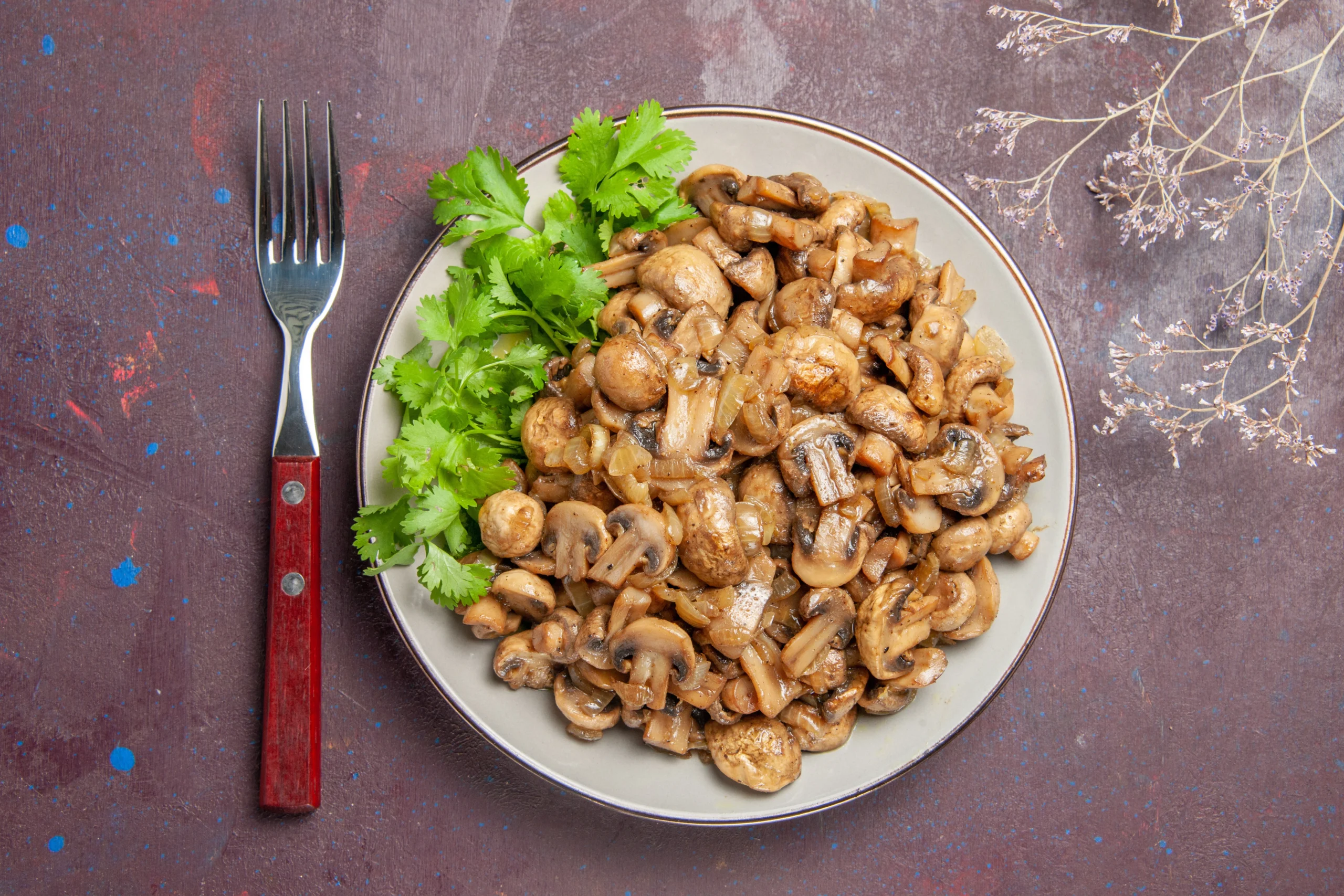
Pioppini mushrooms, also known as black poplar mushrooms or shimeji in some regions, offer a distinct nutty flavor and firm texture, making them a cherished ingredient in various cuisines. Below is the detailed information covering all your requested categories:
Basic Information
- Common Name: Pioppini Mushroom
- Scientific Name: Agrocybe aegerita
- Category: Fungi
- Varieties: While pioppini primarily refers to Agrocybe aegerita, the term “shimeji” can also encompass other types of mushrooms, especially in Japanese cuisine, where it includes several species of edible mushrooms.
Nutritional Information
Pioppini mushrooms are nutritious, providing a good balance of macronutrients and essential micronutrients, making them a healthy addition to any diet.
- Macronutrients (per 100 grams):
- Carbohydrates: Approximately 5.76g
- Proteins: Around 3.5g
- Fats: Less than 0.24g
- Micronutrients:
- Rich in dietary fiber, contributing to gut health.
- Contains B vitamins, particularly niacin (B3) and riboflavin (B2).
- Provides minerals such as potassium, iron, and selenium.
Phytonutrients
Pioppini mushrooms (Agrocybe aegerita), also known as black poplar mushrooms, are appreciated not just for their culinary appeal but also for their nutritional and health-promoting properties, which are attributed to their rich phytonutrient content. While specific studies on pioppini mushrooms might not be as extensive as those on more commonly researched mushrooms like shiitake or reishi, they still contain a variety of beneficial compounds common to many edible fungi. Here’s a summary of the key phytonutrients found in pioppini mushrooms and their potential health benefits:
1. Polysaccharides
- Beta-Glucans: Like many edible mushrooms, pioppini mushrooms contain beta-glucans, a type of soluble dietary fiber known for its immune-boosting properties. Beta-glucans help stimulate the immune system by enhancing macrophage and natural killer cell activity, which can protect against infections and potentially have anti-cancer effects.
2. Antioxidants
- Ergothioneine: Pioppini mushrooms, similar to other mushroom types, are a source of ergothioneine, a powerful antioxidant that helps protect cells from damage caused by oxidative stress. This compound is thought to play a role in preventing chronic diseases and aging.
- Vitamin C and Selenium: Although present in smaller amounts, these antioxidants contribute to neutralizing harmful free radicals, supporting overall health.
3. Amino Acids
- Essential Amino Acids: Pioppini mushrooms provide a good spectrum of essential amino acids, which are the building blocks of proteins. While not classified as phytonutrients, these are crucial for muscle repair, immune function, and overall health.
4. Minerals and Vitamins
- Pioppini mushrooms are rich in vitamins B2 (riboflavin) and B3 (niacin), which are vital for energy metabolism and maintaining healthy skin and nerves. They also contain minerals such as potassium, iron, and phosphorus, which play various roles in maintaining bodily functions.
Health Benefits Associated with Phytonutrients in Pioppini Mushrooms
The phytonutrients in pioppini mushrooms contribute to several health benefits:
- Immune System Support: Beta-glucans enhance immune function, potentially helping the body to fend off infections and reduce the risk of cancer.
- Antioxidant Protection: Compounds like ergothioneine and selenium, along with vitamins C and E, protect against cellular damage and inflammation, which are linked to chronic diseases.
- Nutritional Support: The presence of essential amino acids, along with a variety of vitamins and minerals, supports overall health by contributing to essential bodily functions.
While research specifically targeting pioppini mushrooms’ phytonutrient profile may be limited, the known compounds they share with other edible mushrooms suggest significant health-promoting potential. These include supporting the immune system, providing antioxidant protection, and supplying essential nutrients for maintaining overall health.
Calorie Count and Glycemic Index
- Calorie Count: About 31 calories per 100 grams.
- Glycemic Index: Low, making them suitable for individuals managing blood sugar levels.
Physical Characteristics
- Color: The cap is typically dark brown, while the stem is a lighter brown or tan.
- Shape: Pioppini mushrooms have small to medium-sized caps with long, slender stems.
- Size: The caps are usually 2-5 cm in diameter, with stems that can be quite long, up to 10 cm.
- Texture: Known for their firm, slightly crunchy texture, especially the stems, even after cooking.
Culinary Uses
Pioppini mushrooms are versatile in the kitchen, praised for their rich flavor and texture that holds up well to cooking.
- Common Dishes: Ideal for stir-fries, soups, pasta dishes, and risottos.
- Preparation Methods: Best when cooked, as their flavor intensifies and texture softens slightly. They can be sautéed, grilled, or added to broths and sauces.
- Suitable Pairings: Complements garlic, soy sauce, and hearty vegetables like kale and squash. Their robust flavor pairs well with beef, pork, and game meats.
Geographical Information
- Origin: Native to Europe and Asia, particularly found in woodland areas growing on decaying wood of the poplar tree, from which its common name is derived.
- Primary Growing Regions: Cultivated and harvested in various parts of Asia, Europe, and increasingly in North America.
- Seasonal Availability: While naturally occurring in late spring to early fall, cultivated pioppini mushrooms are available year-round.
Pioppini mushrooms are a gourmet choice for those looking to add depth and nuttiness to their dishes, offering not only exceptional flavor and texture but also a host of nutritional benefits.
| proximates: | |
| Water | 89.6 g |
| Energy (Atwater General Factors) | 39 kcal |
| Energy (Atwater Specific Factors) | 31 kcal |
| Nitrogen | 0.56 g |
| Protein | 3.5 g |
| Total lipid (fat) | 0.24 g |
| Ash | 0.94 g |
| Carbohydrates: | |
| Carbohydrate, by difference | 5.76 g |
| Fiber, total dietary | 2.8 g |
| Beta-glucan | 1.95 g |
| Minerals: | |
| Calcium, Ca | <2.49 mg |
| Iron, Fe | 0.49 mg |
| Magnesium, Mg | 16 mg |
| Phosphorus, P | 121 mg |
| Potassium, K | 392 mg |
| Sodium, Na | <2.49 mg |
| Zinc, Zn | 0.86 mg |
| Copper, Cu | 0.276 mg |
| Manganese, Mn | 0.098 mg |
| Selenium, Se | 4.1 µg |
| Vitamins and Other Components: | |
| Thiamin | 0.012 mg |
| Riboflavin | 0.426 mg |
| Niacin | 6.22 mg |
| Vitamin B-6 | 0.102 mg |
| Biotin | 15.3 µg |
| Glutathione | 23.5 mg |
| Phytosterols: | |
| Stigmasterol | <0.2 mg |
| Campesterol | <0.2 mg |
| Beta-sitosterol | <0.2 mg |
| Ergosta-7-enol | 1.73 mg |
| Ergosta-7,22-dienol | 0.761 mg |
| Ergosta-5,7-dienol | 9.58 mg |
| Ergosterol | 79 mg |
| Beta-sitostanol | <0.2 mg |
| Delta-5-avenasterol | <0.2 mg |
| Delta-7-Stigmastenol | <0.2 mg |
| Amino acids: | |
| Ergothioneine | 23 mg |