

Orange juice without pulp, not fortified, not from concentrate, and refrigerated is a popular beverage known for its refreshing taste and nutritional benefits. Here’s a comprehensive overview:
Basic Information
- Common Name: Orange Juice (No Pulp, Not Fortified, Not From Concentrate, Refrigerated)
- Scientific Name: Derived from Citrus sinensis (sweet orange) fruits
- Category: Beverage/Fruit Juice
Nutritional Information
For a typical serving size of 1 cup (about 248 grams):
- Macronutrients:
- Carbohydrates: Approximately 10 grams, mostly from natural sugars (fructose, glucose, and sucrose).
- Proteins: About 0.81 grams, providing a small amount of plant-based protein.
- Fats: Virtually fat-free, with less than 0.36 grams per serving.
- Micronutrients:
- Rich in vitamin C, offering over 100% of the Daily Value (DV), crucial for immune function, skin health, and antioxidant protection.
- Contains potassium, important for blood pressure regulation and heart health.
- Offers small amounts of folate (vitamin B9), beneficial for cell function and tissue growth, and thiamin (vitamin B1).
Phytonutrients
Orange juice that is not from concentrate, without pulp, not fortified, and refrigerated, retains many of the beneficial phytonutrients found in fresh oranges. These compounds contribute to the juice’s health benefits, including antioxidant and anti-inflammatory effects. Here’s an overview of the key phytonutrients present in such orange juice:
Flavonoids
- Hesperidin: Predominantly found in citrus fruits, hesperidin is a flavonoid with strong antioxidant properties. It contributes to the juice’s cardiovascular benefits, such as improving blood vessel function and lowering blood pressure.
- Naringenin: Another potent flavonoid, naringenin has antioxidant and anti-inflammatory effects. It may also play a role in metabolism regulation and has been studied for its potential to improve metabolic syndrome conditions.
- Flavanones: Citrus fruits are rich in flavanones, which are known for their antioxidant properties. They help neutralize free radicals, reducing oxidative stress and potentially lowering the risk of chronic diseases.
Carotenoids
- Beta-Cryptoxanthin: While orange juice without pulp might have lower levels of fiber and some phytonutrients, it still contains beta-cryptoxanthin, a carotenoid with antioxidant properties that the body can convert to vitamin A.
- Lutein and Zeaxanthin: These carotenoids are present in smaller amounts in orange juice. They are important for eye health, contributing to the protection against age-related macular degeneration.
Vitamin C
- Ascorbic Acid (Vitamin C): Not a phytonutrient per se, but it’s worth highlighting due to its significant presence in orange juice. Vitamin C is a potent antioxidant that supports immune function, skin health, and iron absorption.
Other Phytonutrients
- Citrus Limonoids: These compounds are known for their anti-cancer properties and ability to promote liver health.
Health Benefits of Phytonutrients in Orange Juice
The combination of these phytonutrients in orange juice contributes to a range of health benefits:
- Antioxidant Protection: They help combat oxidative stress, which can reduce the risk of chronic diseases such as heart disease and cancer.
- Cardiovascular Health: Flavonoids like hesperidin can improve heart health by enhancing blood vessel function and lowering blood pressure.
- Anti-inflammatory Effects: The anti-inflammatory properties of phytonutrients in orange juice can help reduce the risk of chronic inflammation-related diseases.
- Immune Support: The high vitamin C content supports a healthy immune system.
It’s important to note that while orange juice is nutritious, it also contains natural sugars. Moderation is key to enjoying its health benefits while avoiding excessive sugar intake. Opting for orange juice without added sugars and not from concentrate can provide a closer experience to consuming fresh oranges, retaining more of the natural nutrients and phytonutrients of the fruit.
Calorie Count and Glycemic Index
- Calorie Count: About 47 calories per cup.
- Glycemic Index: Medium (ranges from 45 to 52), indicating a moderate impact on blood sugar levels.
Physical Characteristics
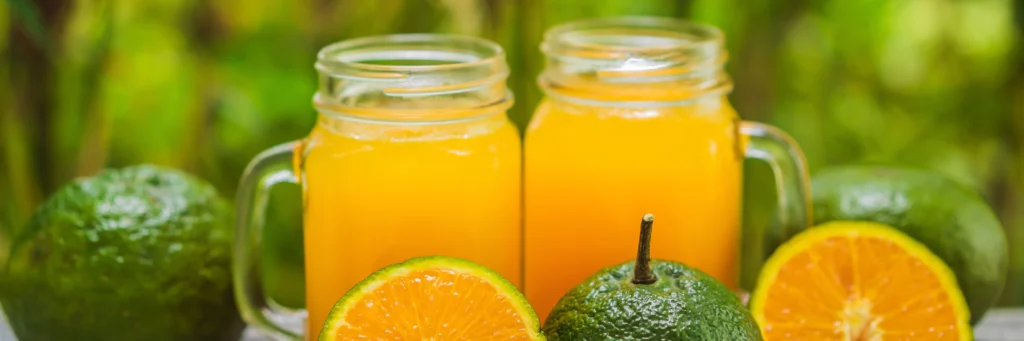
- Color: Bright, vibrant orange.
- Shape: Liquid form.
- Size: Available in various packaging sizes, from single-serve bottles to large family-sized containers.
- Texture: Smooth and fluid, without the fibrous texture that pulp provides.
Culinary Uses
- Common Dishes: Enjoyed as a standalone beverage, used in smoothies, cocktails, dressings, marinades, and in baking.
- Preparation Methods: Best served chilled. Can be used as a base for mixed drinks or incorporated into recipes for a citrus flavor.
- Suitable Pairings: Complements breakfast items like oatmeal, cereal, pancakes, and eggs; works well in fruit salads and with light desserts.
Geographical Information
- Origin: The sweet orange, from which orange juice is made, originated in Southeast Asia and has been cultivated for thousands of years.
- Primary Growing Regions: Major producers include Brazil, the United States (especially Florida and California), Mexico, and parts of the Mediterranean.
- Seasonal Availability: While oranges have a peak season, the juice, especially when not from concentrate and refrigerated, is available year-round due to continuous harvests in different regions and refrigeration technology.
Orange juice that is not from concentrate provides a fresher taste compared to its concentrated counterparts. It’s made by squeezing the juice from fresh oranges and then pasteurizing it. This process retains more of the natural flavors and nutrients of the fruit, making it a healthier choice for many consumers. It’s a nutritious beverage option, offering essential vitamins and minerals with a delicious taste.
| proximates: | |
| Water | 88.5 g |
| Energy (Atwater General Factors) | 47 kcal |
| Energy (Atwater Specific Factors) | 45 kcal |
| Nitrogen | 0.13 g |
| Protein | 0.81 g |
| Total lipid (fat) | 0.36 g |
| Ash | 0.34 g |
| Carbohydrates: | |
| Carbohydrate, by difference | 10 g |
| Sugars, Total | 8.08 g |
| Sucrose | 4.14 g |
| Glucose | 1.81 g |
| Fructose | 2.12 g |
| Lactose | <0.25 g |
| Maltose | <0.25 g |
| Galactose | <0.1 g |
| Organic acids: | |
| Citric acid | 757 mg |
| Malic acid | 160 mg |
| Oxalic acid | <40 mg |
| Quinic acid | <40 mg |
| Minerals: | |
| Calcium, Ca | 9 mg |
| Iron, Fe | 0.07 mg |
| Magnesium, Mg | 10.3 mg |
| Phosphorus, P | 19 mg |
| Potassium, K | 183 mg |
| Zinc, Zn | 0.03 mg |
| Copper, Cu | 0.035 mg |
| Manganese, Mn | 0.028 mg |
| Vitamins and Other Components: | |
| Vitamin C, total ascorbic acid | 30.5 mg |
| Thiamin | 0.075 mg |
| Niacin | 0.029 mg |
| Vitamin B-6 | 0.041 mg |
| Folate, total | 29 µg |