
Basic Information about Yellow Peaches
- Common Name: Yellow Peaches
- Scientific Name: Prunus persica
- Category: Fruit
- Varieties: Numerous cultivars exist worldwide, differing in color, size, and growth due to soil and climate specifics. Notable are freestone or clingstone types, and unique varieties like Donut or Saturn peaches.
Nutritional Information
- Macronutrients: A medium-sized yellow peach (approximately 154g) provides about 46 calories, derived mainly from carbohydrates (10.1g), with minimal protein (0.91g) and fat (0.27g). It also contains 2.3g of dietary fiber.
- Micronutrients: Yellow peaches are a good source of vitamins and minerals, including Vitamin A, Vitamin C, calcium, iron, magnesium, phosphorus, potassium, and zinc. They are particularly noted for their vitamin C (10.2mg) and Vitamin A (24.6mcg RAE) content.
Phytonutrients
Yellow peaches are a treasure trove of phytonutrients that offer a wide range of health benefits, from antioxidant activity to the promotion of healthy vision and skin. Here’s a detailed look at the phytonutrients found in yellow peaches:
Phytonutrients in Yellow Peaches
- Vitamin C: An antioxidant crucial for the synthesis of connective tissue, the absorption of iron, and the regeneration of other antioxidants in the body. It also plays a vital role in immune system function.
- Vitamin A and Beta-Carotene: Beta-carotene is a precursor to vitamin A, which is essential for good vision, immune function, and skin health. Yellow peaches provide both vitamin A and beta-carotene, contributing to their health benefits.
- Lutein and Zeaxanthin: These are carotenoids known for their role in eye health, particularly in protecting the retina from oxidative damage and high-energy light.
- Vitamin E: A fat-soluble antioxidant that helps protect cell membranes from damage caused by free radicals.
- Flavonoids: Peaches contain various flavonoids such as lutein, zeaxanthin, and beta-cryptoxanthin. These compounds are known for their antioxidant properties, helping to neutralize free radicals and reduce inflammation.
- Phenolic Compounds: Peaches are rich in phenolic compounds, which contribute to their antioxidant capacity. These compounds help protect against oxidative stress and may lower the risk of chronic diseases.
Health Benefits of Phytonutrients in Peaches
The phytonutrients present in yellow peaches contribute to several health benefits:
- Antioxidant Protection: The antioxidants in peaches help protect the body from the harmful effects of free radicals, potentially reducing the risk of chronic diseases such as heart disease and cancer.
- Eye Health: Lutein and zeaxanthin accumulate in the retina, offering protection against age-related macular degeneration and cataracts.
- Skin Health: Vitamin A, beta-carotene, and vitamin C in peaches support healthy skin by promoting collagen production and offering protection against UV damage.
- Immune System Support: Vitamin C boosts the immune system, helping the body fend off infections and diseases.
Incorporating yellow peaches into your diet can thus offer a wide range of health benefits, thanks to their rich phytonutrient content. Not only do these delicious fruits add a sweet and juicy component to meals and snacks, but they also contribute to overall health and well-being through their potent blend of vitamins, minerals, and antioxidants.
Glycemic Index
- While the exact glycemic index of yellow peaches wasn’t detailed in the sources, peaches generally have a low to medium GI value, contributing to steady blood sugar levels when consumed.
Physical Characteristics
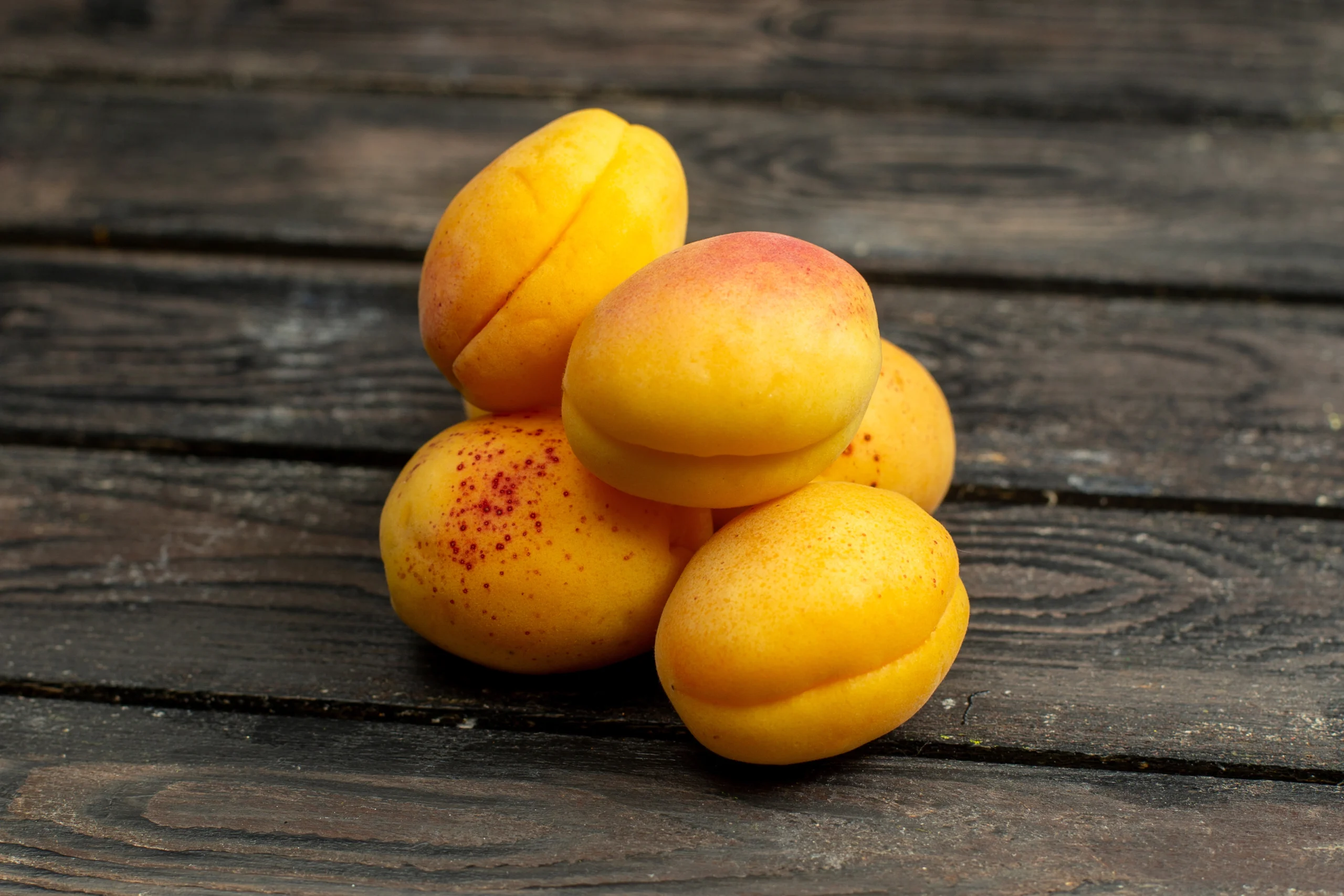
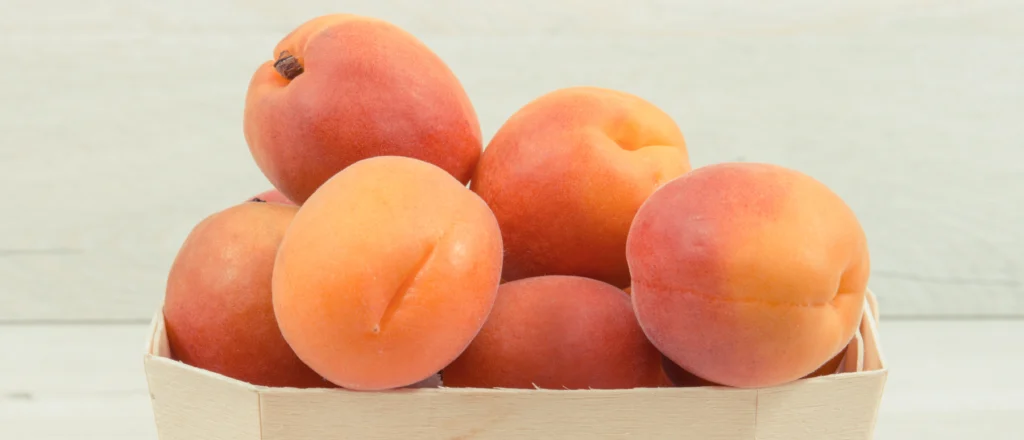
- Color: The flesh of yellow peaches can vary from white to creamy-yellow, surrounded by a skin that ranges from yellow to red.
- Shape and Size: Peaches are typically round, about 7-10 cm in diameter, and weigh around 100-120 grams. Their fuzzy outer surface features longitudinal furrows extending from the stem end to the tip.
- Texture: The flesh is soft, juicy, sweet-tart, and emits a pleasant fruity aroma.
Culinary Uses
Yellow peaches are versatile in the kitchen. They can be enjoyed raw, added to smoothies, salads, yogurt bowls, or as toppings for desserts and grilled meats. Peaches make delicious pies, cobbler, and pair well with peanut butter or cottage cheese for a nutritious snack.
Geographical Information
- Origin: Native to China, peaches spread globally via the ancient silk route. Today, they’re cultivated in temperate regions across the United States, Europe, and China.
- Primary Growing Regions: Favorable growth is seen in areas with moderate temperatures and rainfall. Peaches are seasonally available from May to October.
- Seasonal Availability: Fresh peaches are typically available from late spring through the summer months.
Peaches not only offer delightful flavors but also bring a host of nutritional benefits, fitting well into a balanced diet. Whether consumed fresh, in desserts, or as part of savory dishes, they add a nutritious and tasty element to meals.
| proximates: | |
| Water | 88.3 g |
| Energy (Atwater General Factors) | 46 kcal |
| Energy (Atwater Specific Factors) | 42 kcal |
| Nitrogen | 0.15 g |
| Protein | 0.91 g |
| Total lipid (fat) | 0.27 g |
| Ash | 0.43 g |
| Carbohydrates: | |
| Carbohydrate, by difference | 10.1 g |
| Carbohydrate, by summation | 9.87 g |
| Fiber, total dietary | 1.5 g |
| Fiber, soluble | 0.6 g |
| Fiber, insoluble | 0.9 g |
| Sugars, Total | 8.39 g |
| Sucrose | 4.76 g |
| Glucose | 1.95 g |
| Fructose | 1.53 g |
| Maltose | 0.08 g |
| Galactose | 0.06 g |
| Minerals: | |
| Calcium, Ca | 4 mg |
| Iron, Fe | 0.34 mg |
| Magnesium, Mg | 8 mg |
| Phosphorus, P | 22 mg |
| Potassium, K | 122 mg |
| Sodium, Na | 13 mg |
| Zinc, Zn | 0.23 mg |
| Copper, Cu | 0.078 mg |
| Manganese, Mn | 0.026 mg |
| Manganese, Mn | 2.1 µg |
| Vitamins and Other Components: | |
| Vitamin C, total ascorbic acid | 4.1 mg |
| Thiamin | 0.024 mg |
| Riboflavin | 0.031 mg |
| Niacin | 0.806 mg |
| Pantothenic acid | 0.153 mg |
| Vitamin B-6 | 0.025 mg |
| Folate, total | 6 µg |
| Vitamin A, RAE | 24 µg |
| Carotene, beta | 224 µg |
| Cryptoxanthin, beta | 117 µg |
| Lutein + zeaxanthin | 132 µg |
| Vitamin K (phylloquinone) | 3 µg |
| Amino acids: | |
| Tryptophan | 0.009 g |
| Threonine | 0.015 g |
| Isoleucine | 0.016 g |
| Leucine | 0.026 g |
| Lysine | 0.028 g |
| Methionine | 0.009 g |
| Cystine | 0.011 g |
| Phenylalanine | 0.018 g |
| Tyrosine | 0.014 g |
| Valine | 0.021 g |
| Arginine | 0.017 g |
| Histidine | 0.012 g |
| Alanine | 0.027 g |
| Aspartic acid | 0.415 g |
| Glutamic acid | 0.054 g |
| Glycine | 0.02 g |
| Proline | 0.017 g |
| Serine | 0.031 g |