

Basic Information
Name:
- Common: Apple Juice
- Scientific: Malus domestica (the species of apple used to produce the juice)
Category:
- Beverage, Fruit Juice
Varieties:
- With Added Vitamin C: Fortified to enhance nutritional value.
- From Concentrate: Made by removing water from the apple juice to create a concentrate, which is then reconstituted by adding water.
- Shelf-Stable: Processed to have a longer shelf life without the need for refrigeration until opened.
Nutritional Information (per 1 cup/240 ml serving)
Macronutrients:
- Carbohydrates: 11.4 grams
- Sugars: 24-26 grams
- Proteins: 0.09 grams
- Fats: 0.2 grams
Micronutrients:
- Vitamins:
- Vitamin C: 100% of the Daily Value (DV), added for fortification.
- Minerals:
- Potassium: 4% DV
- Calcium: Trace amounts (if fortified)
- Iron: Trace amounts
Calorie Count:
- Approximately 110-120 calories per 1 cup (240 ml)
Glycemic Index:
- Moderate, typically around 40-50, depending on the brand and specific processing methods.
Phytonutrients
Apple juice contains several key phytonutrients that contribute to its health benefits:
1. Flavonoids:
- Includes: Quercetin and phloridzin.
- Benefits: Provide antioxidant and anti-inflammatory properties, helping to protect against oxidative stress and inflammation.
2. Phenolic Acids:
- Includes: Chlorogenic acid and caffeic acid.
- Benefits: Contribute to reducing inflammation, preventing cancer, and protecting cardiovascular health.
3. Polyphenols:
- Includes: Catechins and epicatechins.
- Benefits: Help improve heart health by lowering blood pressure and reducing LDL cholesterol levels.
4. Carotenoids:
- Includes: Beta-carotene.
- Benefits: Support eye health and immune function, and act as antioxidants.
5. Tannins:
- Includes: Proanthocyanidins.
- Benefits: Provide antioxidant benefits, contributing to anti-inflammatory and antimicrobial effects.
6. Pectin:
- Benefits: A type of soluble fiber found in apples, which helps support digestive health and can aid in lowering cholesterol levels.
These phytonutrients contribute to apple juice’s overall health-promoting properties, offering antioxidant, anti-inflammatory, and immune-boosting benefits. The addition of vitamin C further enhances its nutritional value, supporting immune function and providing additional antioxidant protection.
Physical Characteristics
Color:
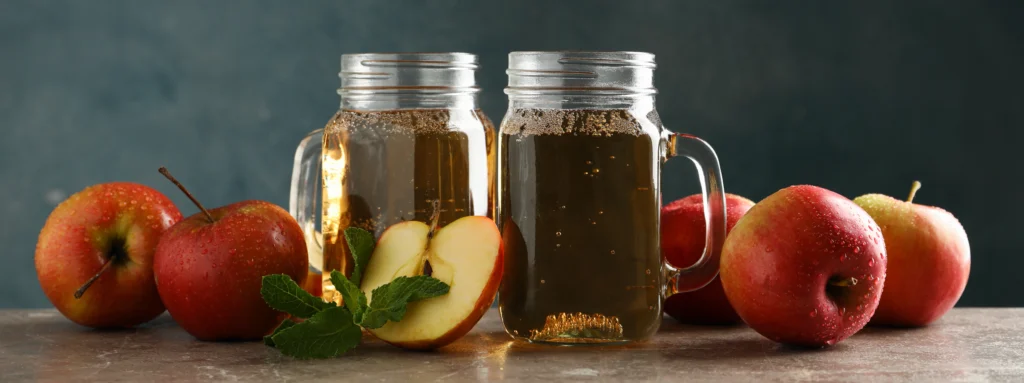
- Golden yellow to light amber, depending on the variety of apples used and the processing methods.
Shape:
- Liquid, taking the shape of its container.
Size:
- Available in various packaging sizes:
- Single-serving boxes (6.75 oz or 200 ml)
- Medium bottles (32 oz or 946 ml)
- Large bottles or cartons (64 oz or 1.89 liters)
Texture:
- Mouthfeel: Smooth and fluid, typically without any pulp.
- Consistency: Homogeneous and clear, although some brands may offer a cloudy version due to the presence of natural apple particulates.
Aroma and Flavor:
- Aroma: Fresh, sweet apple scent, often with a hint of tartness.
- Flavor: Sweet and slightly tart, characteristic of apples. The added vitamin C may enhance the tartness slightly.
Culinary Uses
Common Dishes:
- Beverages: Consumed as is, chilled or at room temperature.
- Mixed Drinks: Used as a base for cocktails, mocktails, and punch.
- Smoothies: Blended with other fruits and vegetables for added flavor and nutrition.
- Cooking: Used in marinades, sauces, and glazes for meats and vegetables.
- Baking: Incorporated into batters and doughs for cakes, muffins, and bread for moisture and flavor.
- Desserts: Used in sorbets, jellies, and as a flavoring agent in various desserts.
Preparation Methods:
- Direct Consumption: Can be drunk cold or at room temperature.
- Mixing: Often mixed with water, sparkling water, or other fruit juices.
- Cooking and Baking: Can be used as a liquid ingredient in recipes to add sweetness and moisture.
Suitable Pairings:
- Fruits: Pairs well with other fruits like berries, bananas, pears, and citrus.
- Herbs and Spices: Complements cinnamon, nutmeg, ginger, and mint.
- Nuts and Seeds: Works well with walnuts, almonds, and chia seeds in various recipes.
- Proteins: Can be used in marinades and glazes for pork, chicken, and turkey.
- Dairy Alternatives: Mixes well with yogurt, almond milk, and other non-dairy milks in smoothies and desserts.
Geographical Information
Origin:
- Apple juice has a long history, with apples originating in Central Asia. The practice of juicing apples dates back centuries in various cultures, particularly in Europe and North America.
Primary Growing Regions for Apples:
- United States: Particularly Washington, New York, and Michigan.
- Europe: Major producers include Poland, France, Italy, and Germany.
- China: The largest apple producer in the world.
- Other Regions: Canada, Australia, and New Zealand also have significant apple production.
Seasonal Availability:
- Available year-round due to modern agricultural practices, storage, and processing methods. Apples are typically harvested in the fall, but the use of concentrates and preservatives ensures a continuous supply of apple juice throughout the year. Shelf-stable apple juice is designed to last for extended periods without refrigeration, making it a convenient option for long-term storage.
| Proximates: | |
| Water | 88.1 g |
| Energy (Atwater General Factors) | 48 kcal |
| Energy (Atwater Specific Factors) | 47 kcal |
| Nitrogen | 0.01 g |
| Protein | 0.09 g |
| Total lipid (fat) | 0.29 g |
| Ash | 0.12 g |
| Carbohydrates: | |
| Carbohydrate, by difference | 11.4 g |
| Sugars, Total | 10.3 g |
| Sucrose | 1.39 g |
| Glucose | 3.21 g |
| Fructose | 5.7 g |
| Lactose | <0.25 g |
| Maltose | <0.25 g |
| Galactose | <0.1 g |
| Organic acids: | |
| Citric acid | <40 mg |
| Malic acid | 360 mg |
| Oxalic acid | <40 mg |
| Quinic acid | <40 mg |
| Minerals: | |
| Calcium, Ca | 7 mg |
| Iron, Fe | 0.04 mg |
| Magnesium, Mg | 4.9 mg |
| Phosphorus, P | 6 mg |
| Potassium, K | 96 mg |
| Sodium, Na | 5 mg |
| Copper, Cu | 0.003 mg |
| Manganese, Mn | 0.027 mg |
| Vitamins and Other Components: | |
| Vitamin C, total ascorbic acid | 51.2 mg |
| Thiamin | <0.011 g |
| Niacin | 0.01 mg |
| Vitamin B-6 | 0.014 mg |
| Folate, total | 3 µg |